
Vandaag of morgen in huis

Kwaliteit gegarandeerd

Welkomstaanbiedingen ontgrendelen: GRATIS bezorging | Tot 80% korting | Gratis 30 dagen JoyPlus-proefperiode
Download de app
Buying a new face cream seems straightforward, until you have to choose between hydrating gels, Korean face cream, rich moisturisers and products featuring terms such as “barrier repair” or “anti-ageing”. A high price or striking packaging says little about whether a product is suitable for your skin.
The right choice therefore starts not with marketing claims, but with your skin type, texture preference and the ingredients list.
Hyaluronic acid, niacinamide and centella asiatica are often prominently featured on the packaging. However, one ingredient does not determine how an entire formula feels or whether it suits your skin. Also look at oils, silicones, fragrances, alcohol and the other ingredients.
A hyaluronic acid cream, for example, may be suitable if you mainly want to add moisture. For dry skin, a formula containing nourishing oils, fatty acids or ceramides is often more comfortable too.
A universal claim does not guarantee that a product will feel comfortable for everyone. A rich cream may feel pleasant on dry skin but heavy on oily or combination skin. A lightweight gel cream for the face may not provide enough comfort if your skin quickly feels tight.
According to the brand’s information, a product may be suitable for several skin types. That remains a product description, not a personal guarantee. Always check the ingredients and stop using the product if irritation occurs.
Terms such as “repairing”, “soothing” or “anti-ageing” often describe a product’s positioning. A brand’s own research may link these claims to additional percentages or stated results, but you should not automatically regard such claims as a guaranteed effect on your skin.
For an objective comparison, verifiable points are more useful: size, texture, ingredients, fragrances, time of use and stated skin type.
Use this practical guide:
If you have a known allergy, always check the full ingredients list. A patch test on a small area of skin is advisable, particularly if you have sensitive skin. During the day, also use a separate sunscreen; ordinary face cream does not replace sun protection.
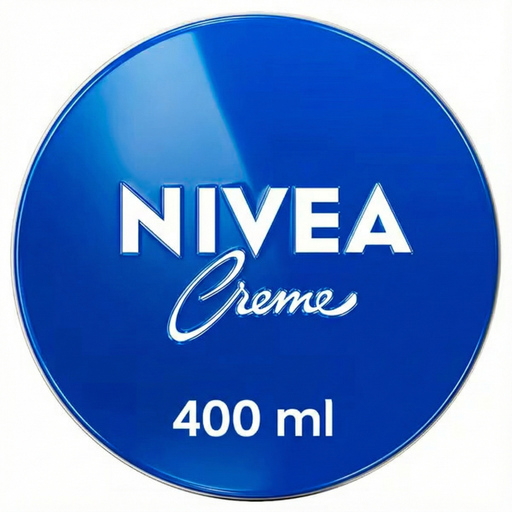
Why it suits this profile: The generous 400 ml size is practical for daily use on the face, hands and body. According to the product description, the formula contains panthenol and lanolin alcohol.
The packaging clearly states the size and that it can be used on the face and body. Do note the perfume and named fragrance allergens in the ingredients list.
400 ml size; suitable for the face and body; panthenol is listed among the ingredients.

Why it suits this profile: The gel cream texture is designed for users who want hydration without a heavy feel. The product information states that it is suitable for dry, very dry, combination and oily skin.
The formula is described as gel-based and contains no perfume, alcohol, parabens or phthalates, according to the product information. Check the current packaging for details.
Gel cream; 30 ml; according to the product information, free from alcohol, perfume and parabens.
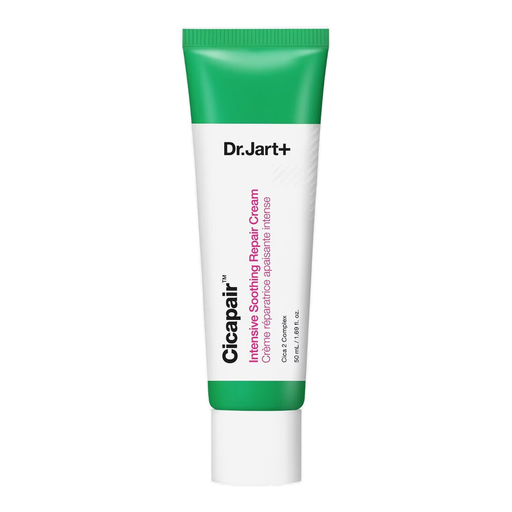
Why it suits this profile: This cream is aimed at users looking for a soothing face cream as well as hydration. The ingredients list includes niacinamide, centella asiatica, allantoin and shea butter, among others.
The ingredients are listed clearly, allowing you to compare the formula rather than relying solely on the term “repair”. If you have sensitive skin, a patch test remains important.
Centella asiatica and niacinamide; 50 ml; designed for various skin types, including sensitive and oily skin.
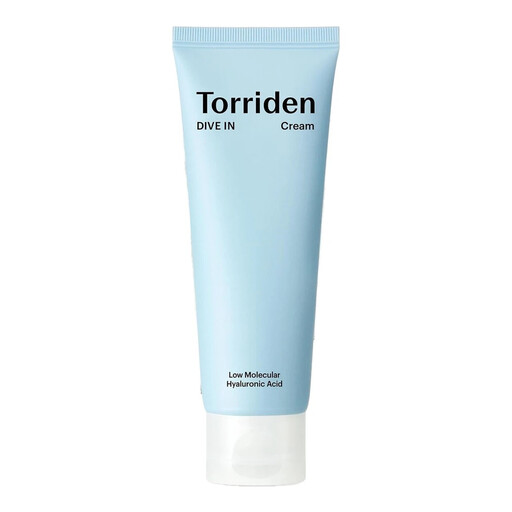
Why it suits this profile: According to the product description, this Korean face cream combines several forms of hyaluronic acid with ceramide NP, glycerine and beta-glucan. The described texture is rich yet lightweight and quick to absorb.
The formula is not based on just one active ingredient: the full ingredients list names several moisture-binding ingredients, oils and ceramide NP.
80 ml size; several forms of hyaluronic acid; ceramide NP and beta-glucan are listed.
We have put together a complete, up-to-date list of products that fully meet these strict selection criteria and the applicable European safety regulations.
Apply a small amount to a cleansed face and spread the cream without rubbing too firmly. A moisturising face cream can usually be used as the final step in your routine, before sunscreen in the morning. If you are trying a new product, consider starting every other day so that you can assess your skin’s tolerance.
Do not introduce several new active products at the same time. For example, if you introduce a niacinamide cream, vitamin C product and exfoliant together, it will be harder to determine which product has caused a reaction.
For most daily routines, applying it once in the morning and once in the evening is practical. Dry skin may need an extra thin layer on certain areas. Always follow the instructions on the packaging.
Check the best-before date, batch information and any period-after-opening symbol on the packaging. Store the pot or tube in a cool, dry place, away from direct sunlight and tightly closed. If the smell, colour or texture changes noticeably, stop using the product.
A lightweight gel cream or oil-free formula may feel more comfortable than a very rich cream. Pay attention to the stated skin types, texture and ingredients. Hydration remains important for oily skin too; above all, choose a product that does not feel heavy or sticky.
