
Vandaag of morgen in huis

Kwaliteit gegarandeerd

Welkomstaanbiedingen ontgrendelen: GRATIS bezorging | Tot 80% korting | Gratis 30 dagen JoyPlus-proefperiode
Download de app
A face cream may seem simple to choose, but the wide range of options can make comparing products difficult. Are you looking for a hydrating face cream, an anti-ageing face cream or a facial day cream with SPF? You will soon come across claims about wrinkles, firmness, pigmentation and radiant-looking skin.
However, the product description does not always tell the whole story. For example, an anti-wrinkle cream may mainly hydrate the skin and temporarily create a plumper appearance. A face cream with SPF 30 also does not automatically provide sufficient protection during prolonged sun exposure. So start by looking at the ingredients, when to use the product and what your skin needs.
Brands use terms such as “lifting”, “filler” and “detox”. These often describe the desired appearance rather than guaranteeing the same result for every user. According to a brand’s own research, results may become visible after a certain number of days, but such outcomes are not automatically representative of everyone.
So pay attention to the information that can be checked:
A day cream with SPF 15 or SPF 30 can be practical for everyday use. However, the level of protection depends partly on the amount applied and whether it is reapplied. According to Eucerin’s product information, the cream should be applied generously before exposure and renewed regularly, particularly after swimming, drying yourself or sweating. No sun protection offers complete protection.
If you are spending a long time outdoors, you may need a separate sun cream. SPF in your face cream is therefore a useful feature, but not a reason to ignore sun-safety advice.
Hyaluronic acid, vitamin C, niacinamide, ceramides and antioxidants receive plenty of attention. However, the texture also affects whether you continue using a product every day. A rich night face cream may feel pleasant when your skin is dry, but heavy on oily or combination skin. A lightweight gel cream may feel more comfortable during the day, but less nourishing on dry skin.
For a hydrating face cream, ingredients such as glycerine, hyaluronic acid, panthenol, beta-glucan and ceramides are worth considering. Glycerine and hyaluronic acid are often used to attract and retain moisture. Ceramides and oil-based ingredients are particularly interesting when your skin feels dry or tight.
You should introduce a face cream for sensitive skin gradually. Check the ingredients list for fragrance, essential oils and known personal triggers. Even a product described as gentle or dermatologically tested may cause irritation for some people.
A cream for pigmentation does not replace sun protection. If pigmentation persists or changes, it is advisable to consult your GP or a dermatologist.
A facial day cream is generally light enough to use under make-up and may contain SPF. A night face cream is usually richer and intended for use after cleansing. Also consider the packaging: a pump bottle limits contact with air and fingers, while a jar offers a different user experience.
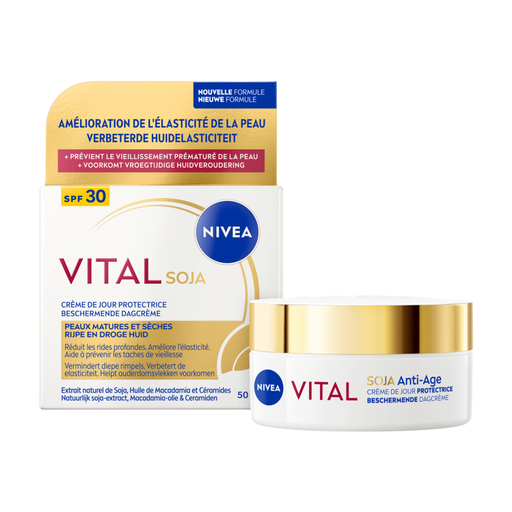
Why it suits this profile: According to the product information, this day cream was developed for mature skin and combines skincare with SPF 30 in a 50 ml pack.
The SPF value and ingredients such as ceramide NP and macadamia oil are clearly stated in the product information. The brand’s claims about elasticity and wrinkles come from NIVEA and should be understood as brand-reported results.
SPF 30, ceramide NP, soya extract and a formula for normal and mature skin.
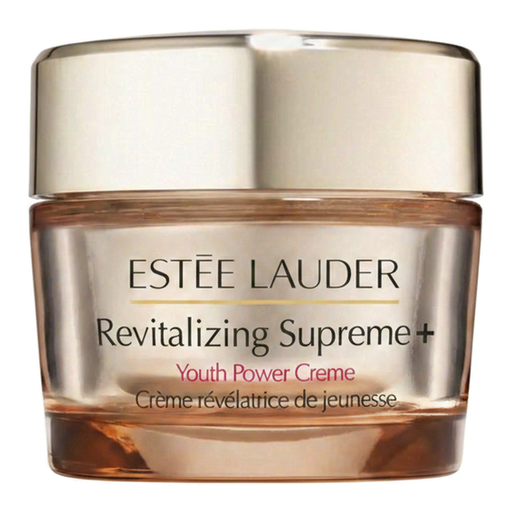
Why it suits this profile: This cream is intended for anyone looking for richer skincare with a focus on hydration, appearance and firmness.
The product description lists the ingredients and intended uses separately. According to Estée Lauder, the percentages reported in clinical assessments come from its own research and do not guarantee the same results for every user.
Hyaluronic acid, cactus stem extract, moringa extract and a texture that, according to the description, absorbs quickly.
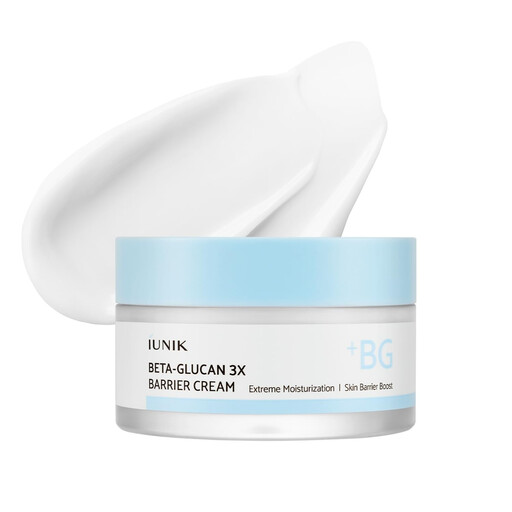
Why it suits this profile: This Korean face cream is suitable for users primarily seeking comfort, hydration and support for the skin barrier.
The formula lists beta-glucan, ectoin and panthenol and, according to the product description, contains no synthetic fragrances. If you have sensitive skin, always check the full packaging.
50 ml, rich texture, beta-glucan and panthenol; according to the product information, vegan and suitable for sensitive skin.
We have put together a complete, up-to-date list of products that fully meet these strict selection criteria and the applicable European safety regulations.
That depends on the product. You will usually apply a day cream in the morning to a cleansed face. A night cream is generally applied in the evening. Always follow the instructions for use and, if you have sensitive skin, consider starting with every other day.
The shelf life is shown on the packaging as an expiry date or a period after opening, for example 6M or 12M. Store the cream in a cool, dry place away from direct sunlight. Has the smell, colour or texture changed? Stop using it and check the packaging.
You can, but introduce them gradually. For example, do not immediately combine a vitamin C face cream with an AHA/BHA product and several strongly fragranced formulas. Test a small amount on a limited area of skin first and stop using it if irritation occurs.
