
Vandaag of morgen in huis

Kwaliteit gegarandeerd

Welkomstaanbiedingen ontgrendelen: GRATIS bezorging | Tot 80% korting | Gratis 30 dagen JoyPlus-proefperiode
Download de app
Buying a new face cream seems straightforward—until you have to choose between a hydrating face cream, anti-aging cream, retinol cream, vitamin C cream or niacinamide cream. Packaging often promises radiant skin, less visible fine lines and a more even complexion. Yet a prominent claim does not necessarily indicate whether a product is right for your skin.
As a Joybuy Product Recommendation Officer, I filter product information against verifiable criteria: ingredients, concentrations, directions, volume and skin type. This helps you avoid paying for a formula that does not fit your routine.
Retinol, vitamin C and acids such as AHA and BHA are often given a prominent place on the packaging. These ingredients may be of interest in a routine targeting fine lines, uneven tone or dull skin, but they can also cause sensitivity.
Pay attention to:
A retinol cream is generally used in the evening. During the day, a sunscreen offering appropriate protection is important. If you are pregnant, breastfeeding or unsure about using retinol, it is wise to consult a healthcare professional.
A cream for dry skin may feel pleasant, but check how the formula supports moisture levels. Glycerin, hyaluronic acid, urea, panthenol, shea butter and ceramides each serve different functions within a skincare routine.
The ingredients list offers more reliable guidance than the front of the packaging alone. Also check that the product is intended for the face. For example, NIVEA Repair & Care Urea Body Cream is a body cream, not a face cream, despite containing hydrating ingredients.
A brand may claim that a cream reduces dark spots or makes fine lines less visible. Do not present such statements as guaranteed results. According to the brand’s own research or self-assessment, results may have been measured under specific conditions, with a limited number of participants and over a defined period.
Instead, look for objective information:
For a retinol cream, concentration is a practical point of comparison. The Retinol 0.1 Cream states 0.1% retinol, while The Retinol 0.3 Cream states 0.3% retinol. A higher concentration is not automatically the better choice; beginners may benefit from starting with a lower amount and introducing it gradually.
Vitamin C, niacinamide, tranexamic acid and AHA are often mentioned in creams targeting dark spots. Medicube Deep Vita C Capsule Cream lists 5% niacinamide, vitamin C derivatives and sea buckthorn water among its product information. According to the brand description, the formula consists of a gel and a vitamin C capsule that you mix together. Check the current packaging for the complete INCI list and directions for use.
A gel cream can feel comfortable on combination or normal skin, especially if you prefer a lightweight finish. A richer cream containing glycerin, shea butter or oils may be a more logical choice when your skin feels tight or dry.
Also consider your daily routine:
Active ingredients can be sensitive to light, heat and air. Store a retinol or vitamin C product according to the label—typically in a cool place away from direct sunlight. The expiry date or period after opening is stated on the packaging. Do not use a product if its scent, colour or texture has noticeably changed.
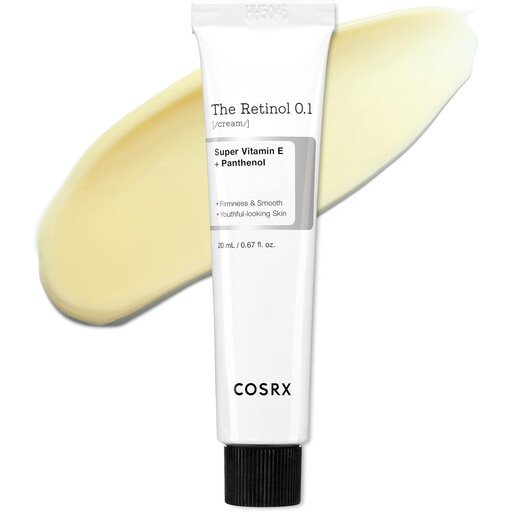
Why it suits this profile: A compact retinol cream for anyone who wants to introduce vitamin A cautiously and keep their evening routine simple.
The 0.1% retinol concentration is clearly stated. The product information recommends using it no more than a few times per week initially and increasing use gradually.
20 ml of product, with panthenol, glycerin and hyaluronic acid among the ingredients listed in the product information.
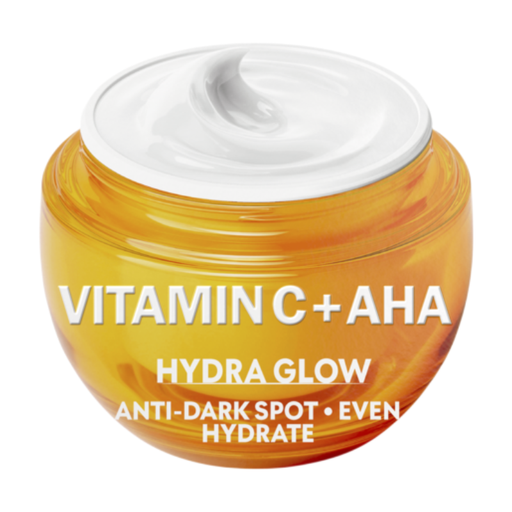
Why it suits this profile: The gel texture and citrus scent appeal to anyone looking for a lighter feel during the day.
The product details clearly state: day cream, 50 ml, vitamin C + AHA and niacinamide. This makes the intended time of use easy to understand.
Lightweight gel formula intended for the face and neck, with hydration listed as one of its applications.
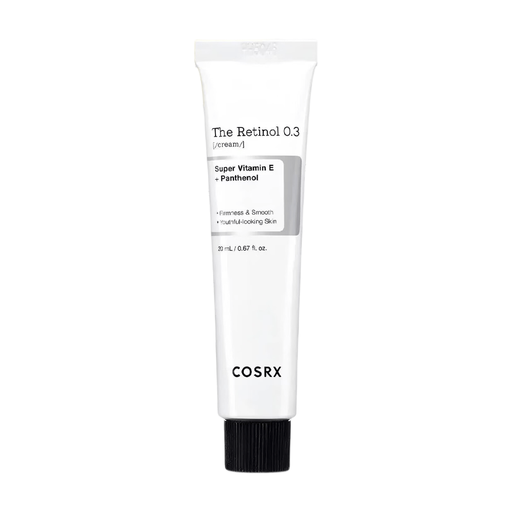
Why it suits this profile: Suitable for users who already have experience with retinol and want to compare clearly stated concentrations.
The product name states 0.3% retinol. The warnings include a patch test, evening use and caution when combining it with AHA and BHA products.
According to the ingredients list, it contains panthenol, multiple forms of hyaluronic acid and 0.3% retinol.
Browse a current selection of vitamin A creams in different concentrations, textures and formats for a range of skincare goals.
Follow the label when getting started and increase use gradually. A product containing 0.1% retinol is often easier to introduce than a formula with 0.3%. Use retinol in the evening, avoid contact with the eyes and do not immediately combine it with other potent active ingredients.
That depends on the volume and the amount used each time. A 50 ml jar will generally last longer with daily use than a 20 ml tube, but always follow the recommended amount. Also observe the period after opening and the expiry information on the packaging.
This can work within some routines, but do not introduce everything at once. Start with one new product and monitor your skin’s tolerance for several weeks. Use sun protection during the day and consult a healthcare professional if irritation persists.
