
Vandaag of morgen in huis

Kwaliteit gegarandeerd

Welkomstaanbiedingen ontgrendelen: GRATIS bezorging | Tot 80% korting | Gratis 30 dagen JoyPlus-proefperiode
Download de app
A face cream may seem like a simple product, but there are major differences in texture, ingredients and use. A lightweight gel cream can feel comfortable on combination skin, while a face cream for dry skin needs more soothing ingredients. If you focus only on a striking claim or attractive packaging, you may end up paying for features that do not suit your skin or routine.
Words such as “intense hydration”, “anti-ageing” and “skin barrier” do not always mean the same thing. A cream may contain moisture-binding ingredients, but that does not necessarily make it suitable for every dry or sensitive skin type. Claims about performance should therefore be viewed as information from the brand, not as a guaranteed personal result.
According to the NIVEA MEN product description, the Anti-Age 2in1 Power Hydrating Face Cream contains SPF 30, hyaluronic acid and Luminous630. The brand links these ingredients to hydration, protection against UV rays and a more even complexion. Check for yourself whether fragrance, alcohol denat. and other ingredients suit your skin.
A cream containing hyaluronic acid or ceramides may be worth considering, but the full ingredients list remains important. Also look out for:
A cream for sensitive skin is not automatically suitable for everyone experiencing irritation. Stop using it if you notice redness, itching or a burning sensation, and consult a doctor or dermatologist if symptoms persist.
A day cream with SPF can be practical for everyday use. The NIVEA MEN Anti-Age 2in1 Power Hydrating Face Cream lists SPF 30 in the product information. However, the level of protection also depends on the amount applied and how often it is reapplied. When spending an extended period in the sun, additional measures such as clothing and a separate sun protection product are advisable.
Start by considering how it feels on your skin and when you will use it:
A product label such as “for all skin types” is an indication, not a guarantee. Your skin can change with the seasons, age and environment. Cold winds and dry indoor air, for example, may call for a richer skin barrier cream.
For everyday hydration, humectants such as glycerine and sodium hyaluronate are commonly used choices. If your main aim is to care for a weakened skin barrier, look for ceramides, panthenol, cholesterol and lipids. The Ceramide Skin Barrier Moisturizer lists several ceramides, panthenol, squalane and various forms of hyaluronic acid among its ingredients.
An anti-ageing face cream may contain ingredients that, according to the brand, are intended to address visible lines or a duller complexion. Do not expect guaranteed results; instead, compare the formula, SPF, texture and directions for use.
Compare the quantity in millilitres with the price. A 30 ml pot may be suitable for trying a product first, while 50, 75 or 100 ml may be more practical for everyday use. Also check the expiry information and the period after opening shown on the packaging.
Apply face cream to clean skin. A small amount is usually enough; too much product can feel heavy or sticky. If you have sensitive skin, test it on a small area first.
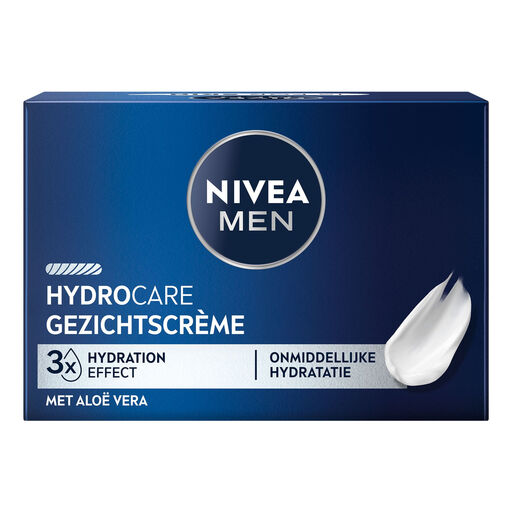
Why it suits this profile: The 50 ml cream is intended for normal and dry skin and can easily be used as an everyday moisturiser.
The product description mentions a fast-absorbing, non-greasy formula. The ingredients list includes glycerine, panthenol and aloe vera powder.
50 ml; suitable for normal and dry skin; contains glycerine, panthenol and aloe vera according to the product information.

Why it suits this profile: According to the product information, this gel cream is oil-free and fragrance-free, with a lightweight texture for morning and evening use.
The formula contains no fragrance and is described as non-comedogenic. This makes the product specifications easier to compare clearly.
75 ml; gel cream; oil-free and fragrance-free according to the product information; contains glycerine and sodium hyaluronate.

Why it suits this profile: According to the ingredients list, this skin barrier cream is designed for a routine containing ceramides, panthenol, squalane and hyaluronic acid.
Rather than focusing on just one trendy ingredient, you can check the full list. It contains several ceramides and different forms of hyaluronic acid.
80 ml; ceramides NP, NS, AP, AS and EOP; panthenol, squalane and sodium hyaluronate in the listed formula.
We have put together a complete, up-to-date list of products that fully meet these strict selection criteria and the applicable European safety regulations.
For most routines, once in the morning and once in the evening is practical. Apply the cream after cleansing, and after a serum if required. During the day, use a product with suitable UV protection or add sun protection when you are outdoors.
Check the expiry date and the period-after-opening symbol on the packaging. Store the cream according to the instructions, away from direct sunlight and not in an extremely warm place. If the smell, colour or texture changes noticeably, stop using the product.
For dry skin, look for glycerine, panthenol, ceramides, squalane or shea butter. For sensitive skin, fragrance-free options and a patch test can be helpful. Always check the full ingredients list and stop using the product if irritation occurs. Ultimately, the right face cream is the formula that suits your skin type, texture preferences and everyday routine.
