
Vandaag of morgen in huis

Kwaliteit gegarandeerd

Welkomstaanbiedingen ontgrendelen: GRATIS bezorging | Tot 80% korting | Gratis 30 dagen JoyPlus-proefperiode
Download de app
A face cream may seem like a simple product, but there can be major differences in texture, ingredients and intended use. For example, a body cream is not automatically suitable as a moisturiser for your face. An eye-catching ingredient on the front of the packaging also tells you little if you do not check the full ingredients list.
With this practical guide, you can compare face creams based on your skin type, formula and daily use. This helps you avoid paying for a marketing promise that does not suit your skin or routine.
Body creams are often developed for larger areas of skin and may have a richer texture or a noticeable fragrance. According to the product information, the Sol de Janeiro Beija Flor Elasti Body Cream and Bom Dia Bright Body Cream are body creams, not face creams. Use them as intended: on the body.
Always check the stated “application area”. If it only says body, it is not the obvious choice as a face moisturiser.
A face cream containing hyaluronic acid can help the upper layers of the skin retain moisture, but the overall formula determines how the cream feels. Glycerine, panthenol, oils, silicones and emollient ingredients also affect hydration and comfort.
If you search solely for “hyaluronic acid”, you may end up choosing a product that is too light for dry skin or that does not feel comfortable on oily skin.
A product labelled as suitable for all skin types will not automatically suit everyone. A cream for sensitive skin requires extra attention to fragrance, alcohol, acids and potential allergens. If you have sensitive skin, it is sensible to apply a small amount to a limited area first and check the current ingredients list on the packaging.
Your skin’s needs can change with the seasons. In winter, a barrier-repairing cream may feel more comfortable, while in summer you may prefer a lightweight gel cream.
Hyaluronic acid and glycerine are humectant ingredients that bind moisture. In a face cream, they work alongside soothing and occlusive ingredients to create a comfortable skin feel.
Ceramides are found in formulas designed to support the skin barrier. According to their ingredients lists,, ANUA and various SKIN1004 products contain ceramides. This makes them worth considering if you are looking for a face cream with ceramides.
Niacinamide is included in several formulas, including those from Beauty of Joseon, Garnier and SKIN1004. Its presence does not automatically mean that every skin concern will be resolved. Assess the full ingredients list and pay attention to how your skin responds.
Centella asiatica, panthenol and allantoin are often used in skincare formulas. According to product information from various brands, these ingredients are intended to support a comfortable, well-cared-for skin feel. This does not constitute a medical effect or treatment.
Do not compare the price alone; consider the volume as well. A 100 ml jar may offer better value per millilitre than a 30 or 50 ml pack, but a smaller size is useful for trying a product first. Also check the expiry information, batch number and recommended period after opening, if these are stated on the packaging.
With a jar, the cream comes into contact with air and fingers more often. Wash your hands before use and close the packaging properly. A pump bottle may be more practical for some users.
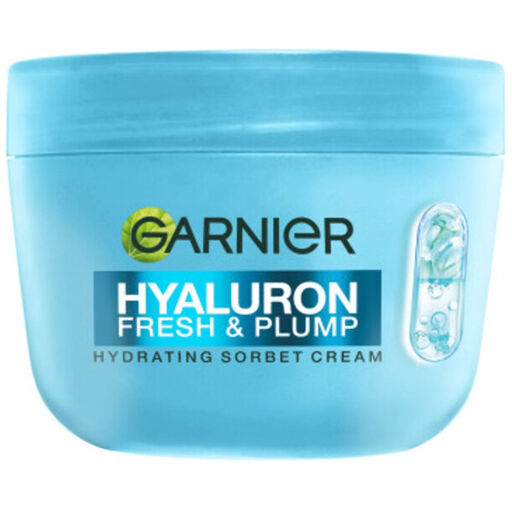
Why it suits this profile: The sorbet-like texture is a practical choice for anyone looking for a lightweight hydrating face cream that fits easily into a daily routine.
The product information states that the face is the intended area of use and specifies 85 ml. The full ingredients list is provided, including fragrance, alcohol denat. and salicylic acid.
85 ml; the ingredients list includes glycerine, niacinamide and sodium hyaluronate. Avoid the eye area and follow the warnings on the label.
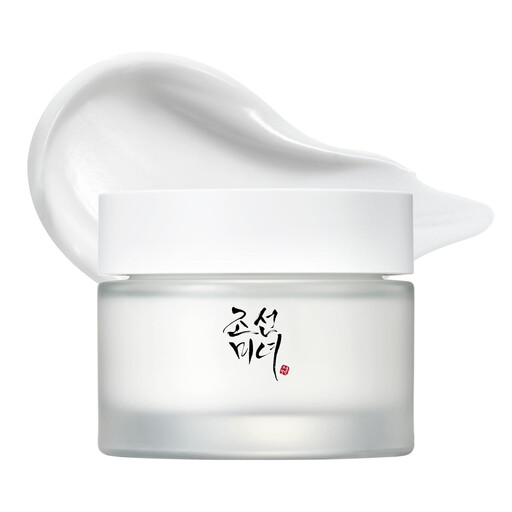
Why it suits this profile: This Korean face cream is a good match for users who appreciate a richer, creamy texture and a comprehensive ingredients list.
The product page states 50 ml, lists the face as the intended area of use and offers an unscented version. However, always check the current packaging and ingredients before buying.
According to the ingredients list, it contains niacinamide, glycerine, sodium hyaluronate and centella asiatica extract.

Why it suits this profile: A logical choice for anyone specifically looking for a face cream with ceramides and a richer formula for dry or tight-feeling skin.
The full ingredients list is available. This means you can see squalane, panthenol, cholesterol and several forms of hyaluronic acid alongside the ceramides.
80 ml; ceramide NP, NS, AP, AS and EOP are listed; a patch test is recommended according to the product information.
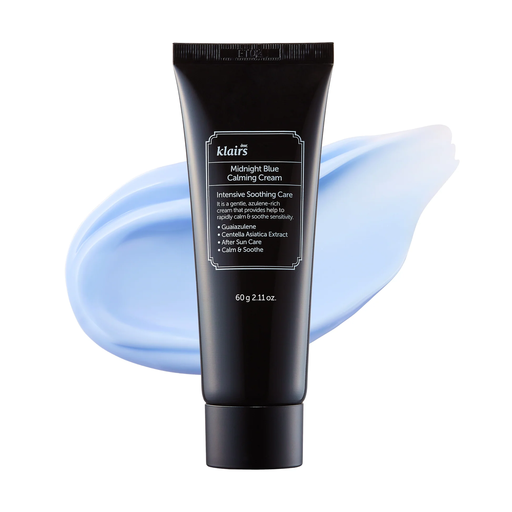
Why it suits this profile: The fragrance-free formula and gel-like texture are well suited to anyone looking for a cream for sensitive skin without a heavy or strongly perfumed feel.
The product information states that the formula is fragrance-free. Even so, a patch test is advisable, as individual reactions to cosmetic ingredients can vary.
60 g; according to the ingredients list, it contains centella asiatica, ceramide NP and sodium hyaluronate.
We have put together a complete, up-to-date list of products that fully meet these strict selection criteria and the applicable European safety regulations.
Apply the cream after cleansing and using any serums. A pea-sized amount is often a useful starting point; adjust this according to the texture and your skin’s needs. Massage it in gently rather than rubbing vigorously.
Use sun protection during the day as part of your routine. A face cream does not replace a sun protection product. Products containing acids, such as salicylic acid or AHAs, require extra attention to the instructions for use. If you experience stinging, redness, swelling or persistent irritation, stop using the product.
This depends on your skin and the product instructions. Many moisturisers are intended for morning and evening use. Dry skin may benefit from a richer layer, while oily skin may sometimes need only a lightweight gel cream. Always follow the label.
Check the expiry date or the open-jar symbol indicating the period after opening on the packaging. Store the cream in a cool, dry place away from direct sunlight, and close the jar or tube properly. A change in smell, colour or texture may be a reason to stop using the product.
For dry skin, ingredients such as glycerine, panthenol, squalane and ceramides are worth considering. If you have sensitive skin, also check for fragrance, alcohol and potential allergens. Start with a small amount and do not introduce several new products at the same time.
