
Vandaag of morgen in huis

Kwaliteit gegarandeerd

Welkomstaanbiedingen ontgrendelen: GRATIS bezorging | Tot 80% korting | Gratis 30 dagen JoyPlus-proefperiode
Download de app
Choosing a face cream sounds simple: you want hydration, a pleasant texture and packaging that fits your budget. Yet many consumers end up buying a product that feels too heavy on oily skin, does not provide enough comfort for dry skin or contains ingredients that are not a good match for sensitive skin.
Marketing for facial moisturisers does not make comparing products any easier. Words such as “intensive”, “brightening” and “repairing” only mean something when you also consider the ingredients, directions for use and your skin’s needs. These practical checks can help reduce the risk of making the wrong purchase.
Hyaluronic acid, Centella asiatica and ceramides are often prominently displayed on the packaging. That does not automatically mean the cream is suitable for every skin type. The rest of the formula determines, among other things, how rich, light, greasy or potentially irritating the product feels.
For example, a hyaluronic acid cream may mainly contain moisture-binding ingredients, while dry skin may also benefit from soothing oils, fatty acids or a sealing layer. So check the full ingredients list rather than focusing only on the headline ingredient.
A cream for sensitive skin should not only hydrate, but also suit your tolerance of fragrances, essential oils and active ingredients. Check the ingredients for substances including parfum, limonene, linalool, tea tree oil and lavender oil. A product may be described as gentle or hypoallergenic, but individual reactions are still possible.
Try a new cream on a small area of skin first. Stop using it if redness, itching, swelling or a burning sensation persists, and seek advice from a doctor or dermatologist if necessary.
An acne cream or brightening face cream is not the same as a daily moisturiser. A product intended for targeted use, such as a spot cream, should only be applied to the specified areas. Acids, vitamin C derivatives, niacinamide and tranexamic acid also need to be introduced gradually.
According to the product descriptions of some brands, such ingredients may help care for unsettled or uneven-looking skin. This is not a medical effect or a guarantee. Use a sunscreen during the day when advised in the directions for use.
The term “non-comedogenic” is useful product information, but it does not guarantee that every skin type will react without problems.
When looking to restore the skin barrier, ceramides, cholesterol, fatty acids and panthenol are often considered. A ceramide cream may therefore be worth considering if your skin feels tight or dry. Centella asiatica, madecassoside and guaiazulene are often found in a soothing face cream. According to a brand’s own research or product information, these substances may support a soothing effect; do not present this as a proven medical result.
For extra hydration, glycerine and different forms of hyaluronic acid are useful points to check. A cream containing several forms, such as the Isntree formula, may appeal to anyone looking for a daily hydrating face cream.
Apply face cream to cleansed skin, usually as the final step after toner or serum. A pea-sized amount is often a practical starting point, but always follow the packaging instructions. Also check:
A small pack can be useful for trying a product first. A larger pack only offers better value if the texture and ingredients suit your routine.

Why it suits this profile: The 100 ml pack and gel cream texture make this a practical choice for everyday use. The product description lists dry, normal and mature skin as suitable applications.
The ingredients list includes several forms of hyaluronic acid, glycerine, panthenol and ceramide NP. You therefore do not have to rely solely on the front of the packaging.
100 ml contents; gel cream for everyday use; contains hyaluronic acid, shea butter and ceramide NP.
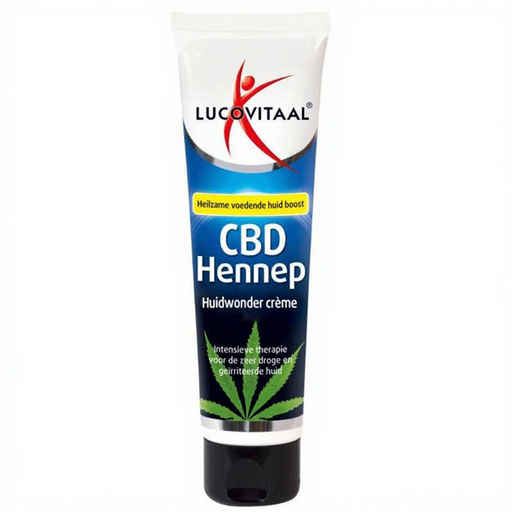
Why it suits this profile: According to the product description, this cream is intended for very dry, irritated and itchy skin and can be used on the face, body and hands.
The product information describes using it as part of daily care in the morning and evening. However, check beforehand whether CBD and the other ingredients suit your skin.
100 ml contents; suitable for the face, body and hands according to the product description; intended for dry skin.
We have put together a complete, up-to-date list of products that fully meet these strict selection criteria and the applicable European safety regulations.
Most facial moisturisers can be applied in the morning and evening after cleansing. Start with a small amount. If you have sensitive skin, applying it once a day is a cautious way to begin. Always follow the specific directions for use.
Check the expiry date and the period-after-opening symbol on the packaging. Many cosmetic products have a recommended period of use after opening, for example. Keep the cream tightly closed, dry and out of direct sunlight. A change in smell, colour or texture may be a reason to stop using the product.
Look for a cream containing glycerine, panthenol, ceramides and soothing ingredients, and be cautious with fragrance and essential oils. A rich cream for dry skin may feel comfortable, but test a small amount first. If irritation persists, seeking medical advice is wiser than repeatedly trying a different cosmetic cream.
