
Vandaag of morgen in huis

Kwaliteit gegarandeerd

Welkomstaanbiedingen ontgrendelen: GRATIS bezorging | Tot 80% korting | Gratis 30 dagen JoyPlus-proefperiode
Download de app
Buying a face cream sounds simple, until you have to choose between a gel cream, rich moisturiser, Korean face cream or cream for sensitive skin. Marketing terms such as “intense repair”, “glow” and “24-hour hydration” do not mean much on their own. The right choice mainly depends on your skin type, the ingredients list and the texture you enjoy using every day.
As a Joybuy Product Recommendation Officer, I filter product information based on verifiable features. This helps you avoid paying for a promise that does not suit your skin or routine.
A rich cream containing shea butter, oils and silicones can feel comfortable on dry skin, but heavy on oily or blemish-prone skin. Conversely, a lightweight gel cream may not provide enough protection when your skin feels tight or flaky.
So do not look only at the brand or popularity. Check:
A product may be described as suitable for sensitive skin while still containing fragrance ingredients or essential oils. For example, Dear, Klairs Rich Moist Soothing Cream lists lemon, lavender, orange, geranium, ylang ylang and eucalyptus oils. This does not automatically make the cream unsuitable, but it is relevant information for anyone who avoids fragrance.
Check the full INCI list. In particular, look out for:
If you have sensitive skin, a patch test is advisable. Stop using the product if you experience redness, itching, swelling or a burning sensation.
Brands often describe ingredients such as Centella Asiatica, ceramides, panthenol and hyaluronic acid as soothing or supportive of the skin barrier. Phrase this carefully: according to the brand’s product description, a cream may help the skin retain moisture or feel more comfortable. This is not a treatment for a skin condition.
If irritation, eczema or inflammation persists, it is better to consult a doctor or dermatologist.
In the Netherlands, wind, cold and dry indoor air can make your skin feel different from warm, humid weather. A practical guide:
A gel cream usually absorbs quickly and works well under sun cream or make-up. A richer cream can be especially comfortable as the final step in an evening routine.
A hydrating cream does not work simply because it contains “lots of moisture”. Ingredients have different functions:
An ingredient’s position in the INCI list gives an indication of its quantity, but does not tell you everything about its final effect. Also consider the overall formula and how your own skin reacts.
A 100 ml jar may seem better value than a 30 ml tube, but usage varies depending on the texture and how much you apply. For daily use, you generally do not need a thick layer. Follow the instructions on the packaging and apply face cream as the final step before sun cream in the morning.
Claims such as vegan, cruelty-free, dermatologically tested or fragrance-free should appear on the product page or packaging. In the selection below, these features are mentioned only where they appear in the product information provided.

Why it suits this profile: The 100 ml size and lightweight gel texture make this a practical choice for anyone looking for a simple moisturiser without a heavy feel on the skin.
The product information explicitly mentions the lightweight gel texture and suitability for oily skin. However, check whether the stated fragrance and ingredients suit you.
100 ml, a watery gel texture and, according to the product information, designed to hydrate while leaving the skin feeling less greasy.
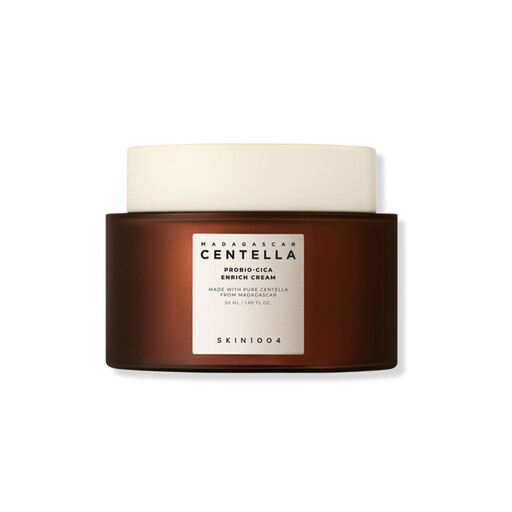
Why it suits this profile: This richer Korean face cream is a good match for anyone specifically looking for ceramide NP, Centella Asiatica and a nourishing cream for dry or sensitive skin.
The ingredients list is available and mentions ceramide NP, squalane, shea butter and Centella Asiatica, among others. This allows you to assess the rich formula in advance.
50 ml, vegan and cruelty-free according to the product information; formula with ceramide NP and several nourishing ingredients.

Why it suits this profile: Suitable for users who place extra importance on hydration and want to use a gel-cream texture as a day or night cream.
The product description mentions five forms of hyaluronic acid and describes the texture as lightweight. Check the oils in the ingredients list if your skin quickly feels weighed down.
100 ml, several forms of hyaluronic acid and ingredients including ceramide NP, panthenol and beta-glucan.
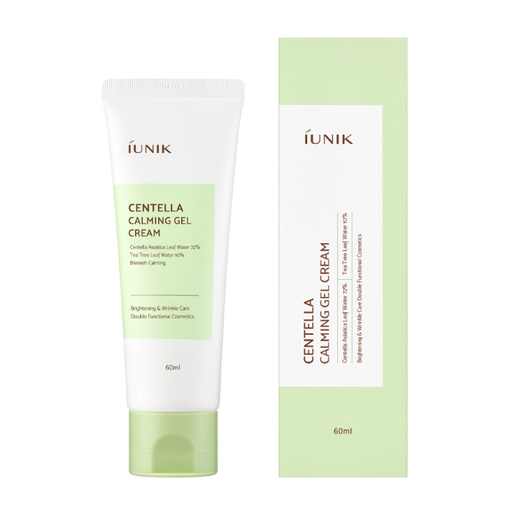
Why it suits this profile: The lightweight gel texture is practical for a morning routine, combination skin or anyone who does not want a sticky cream under their sun cream.
According to the brand description, the formula contains no synthetic fragrances and does not feel heavy. The stated clinical results are brand claims, not a guarantee for every user.
60 ml, Centella Asiatica, tea tree extract, niacinamide and adenosine; vegan-friendly according to the product information.
We have put together a complete, up-to-date list of products that fully meet these strict selection criteria and the applicable European safety regulations.
Apply the cream to cleansed skin. You can use a serum or toner beforehand, but this is not essential. Start with a small amount and spread it over your face and neck. If you have dry skin, you can apply an extra thin layer to specific areas. During the day, apply sun cream as the final step.
If you use several new products at the same time, it can be difficult to determine which product is causing a reaction. It is therefore best to introduce one new product at a time and give your skin a few days to adjust.
Most face moisturisers can be used in the morning and evening, unless the packaging states otherwise. During the day, combine a face cream with a sun cream product. One thin layer may be enough for oily skin, while a richer evening layer may feel more comfortable on dry skin.
Check the expiry date, batch information and any period-after-opening symbol on the packaging. Store the cream in a cool, dry place away from direct sunlight, and close the packaging securely. A change in smell, colour or texture may be a reason to stop using the product.
Choose based on the ingredients list rather than relying solely on the term “soothing”. A fragrance-free formula may be a sensible starting point, but also check for essential oils and known allergens. Test a small amount first. If symptoms persist, seeking professional medical advice is more sensible than repeatedly switching creams.
