
Vandaag of morgen in huis

Kwaliteit gegarandeerd

Welkomstaanbiedingen ontgrendelen: GRATIS bezorging | Tot 80% korting | Gratis 30 dagen JoyPlus-proefperiode
Download de app
Buying a new face cream seems simple, until you have to choose between a moisturising face cream, day cream, night cream or anti-ageing cream. Marketing terms such as “intensive”, “barrier repair” and “24-hour hydration” sound appealing, but they do not always tell you enough about the formula, texture or suitability for your skin.
The wrong choice can lead to tightness, a greasy layer or irritation, particularly if you have dry, sensitive or mature skin. With these practical selection tips, you can compare products based on verifiable information rather than promises alone.
A product with lots of active ingredients is not automatically more suitable. First, look at the ingredients that match your needs:
Always check the current ingredients list on the packaging. Formulas may change between production batches or markets.
A day cream with SPF can be a practical part of your morning routine. For example, the Eucerin Hyaluron-Filler + Elasticity Rosé Day Cream states that it provides SPF30. According to the product information, you should apply the cream generously and reapply regularly when exposed to the sun.
A face cream with SPF does not automatically replace a separate sun protection product during prolonged exposure. Also follow the directions for use and avoid contact with the eyes.
A product may be described as suitable for sensitive skin, yet still contain ingredients that you personally react to. For example, Dear, Klairs Rich Moist Soothing Cream contains several essential oils, including lemon, lavender and eucalyptus oil. Medicube explicitly states that the Pink Hyaluronic Moisturizing Cream contains fragrance.
When trying a new cream, first carry out a small test on a limited area of skin. Stop using it if you experience redness, itching, swelling or a burning sensation, and consult a doctor or dermatologist if symptoms persist.
A day cream is often lighter or contains additional sun protection. A night cream can be richer, as you do not need to apply make-up or SPF over it. Do not just look at the name; consider how it is intended to be used:
For a cream for dry skin, humectants and nourishing oils are useful points to consider. With a cream for sensitive skin, it is worth checking particularly carefully for fragrance, alcohol and essential oils.
If you are looking for a ceramide cream, look out for Ceramide NP, Ceramide AP, Ceramide AS or Ceramide EOP. The Ceramide Skin Barrier Moisturizer contains several ceramides, cholesterol, panthenol and different forms of hyaluronic acid. These are verifiable product specifications; the final experience will vary from person to person.
A hyaluronic acid cream may be suitable if you are mainly looking for moisture and a supple skin feel. Bear in mind that hyaluronic acid is not the same as a rich, nourishing base. If you have dry skin, a combination of humectants and lipids may feel more comfortable.
Compare the amount of product with the price. A 100 ml jar may appear better value, but you may only need a small amount when the formula is rich. Also check:
A jar, for example, requires extra care to ensure that your hands are clean or that you use a spatula. Store face cream in a cool, dry place away from direct sunlight, unless the packaging states otherwise.
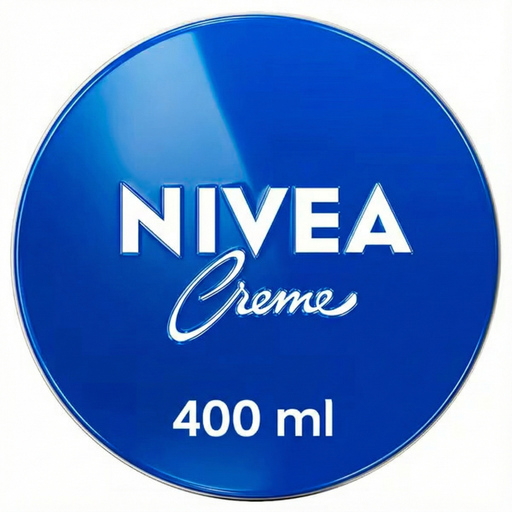
Why it suits this profile: A large pack for anyone looking for one simple cream to use on the face, hands and body.
The product information clearly states that it is suitable for use on the face and body. The ingredients list includes glycerine, panthenol and mineral oil, among other ingredients.
400 ml capacity; suitable for daily use on the face and body; contains fragrance and known fragrance allergens.

Why it suits this profile: Suitable for users who want to compare specific ingredients for dry or sensitive skin.
The full product information lists several ceramides, cholesterol, panthenol and hyaluronic acid, so you do not have to rely on a marketing name alone.
80 ml capacity; several ceramides; according to the product information, hypoallergenic, non-comedogenic and dermatologically tested.
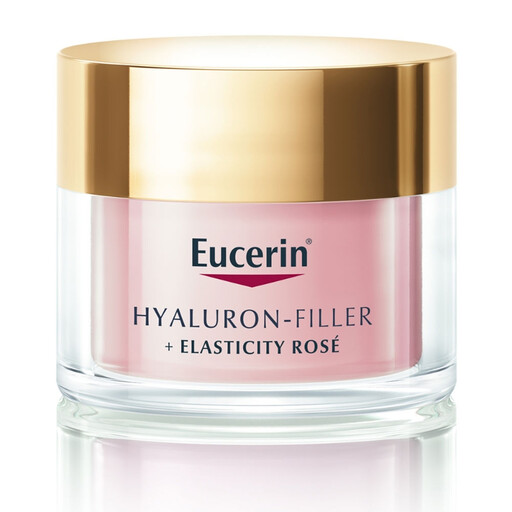
Why it suits this profile: For anyone looking for a day cream with a hint of colour, hyaluronic acid and SPF30.
The product description states that it is for daytime use and provides SPF30 with a pink tint. This makes it clear that it is not a neutral night cream.
50 ml; SPF30; pink colour; pump packaging; according to the product information, suitable for all skin types and sensitive skin.
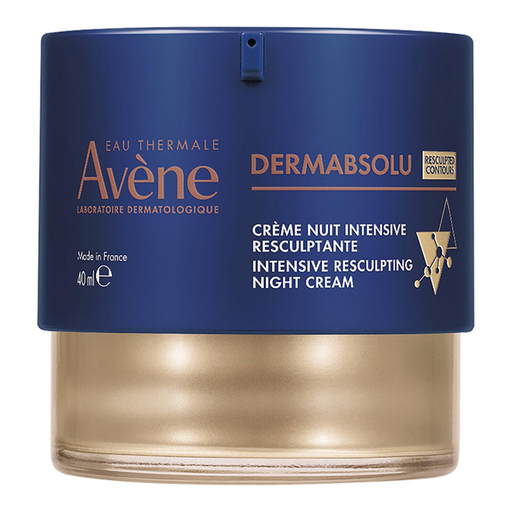
Why it suits this profile: A rich night cream for anyone looking to create an evening routine for mature skin.
The product information specifies evening use and lists bakuchiol, pro-ceramides and niacinamide as components of the formula.
40 ml; intended for the face, neck and décolleté; according to the directions for use, it can also be used as a short-term mask.
We have put together a complete, up-to-date list of products that fully meet these strict selection criteria and the applicable European safety regulations.
You will usually apply face cream once or twice a day to cleansed skin. Follow the product’s directions for use. A day cream is generally used in the morning, while a night cream is used in the evening. During the day, apply a separate sun protection product if necessary.
Check the expiry date and the symbol showing the period after opening, such as 6M or 12M. Keep the cream tightly closed, dry and away from direct sunlight. If the smell, colour or texture changes noticeably, stop using the product.
Choose a formula with humectants such as glycerine or hyaluronic acid, as well as supportive ingredients such as ceramides, panthenol or shea butter. Also check for fragrance and essential oils. If you have sensitive skin, a patch test is advisable, even when the brand describes the cream as gentle or suitable for sensitive skin.
