
Vandaag of morgen in huis

Kwaliteit gegarandeerd

Welkomstaanbiedingen ontgrendelen: GRATIS bezorging | Tot 80% korting | Gratis 30 dagen JoyPlus-proefperiode
Download de app
Choosing a new face cream may seem simple, but the differences in ingredients, texture and use can be significant. For example, a day cream with SPF is not automatically suitable for dry skin. A prominent claim such as “24-hour hydration” also says little about how a formula will feel on your skin.
The right choice therefore starts not with the packaging, but with your skin type and your main goal: hydrating your skin, reducing the appearance of pigmentation, caring for a dull complexion or tackling fine lines.
Terms such as “anti-ageing”, “brightening” and “detox” are broad. Check which ingredients are actually listed. Glycerine, hyaluronic acid, panthenol, squalane and ceramides are often used to hydrate the skin and support the skin barrier. Niacinamide, vitamin C, tranexamic acid and retinol each have a different purpose and require appropriate use.
Brand claims are not automatically general facts. According to Olay’s own research, for example, participants reported smoother or more even-looking skin after using the product for a certain period. This is information from the research mentioned and is not a guarantee for every skin type.
A cream with SPF 15, SPF 30 or SPF 50 can be convenient for daytime use. However, the level of protection also depends on how much you apply and whether you reapply it. If you are outdoors for a prolonged period, you will often prefer to use a separate sunscreen intended for that situation according to its label.
Also note the difference between a day cream with SPF and a night cream. A night cream generally contains no UV filters and is designed for comfortable evening use.
A retinol cream, vitamin C cream or cream for pigmentation can be a useful addition to a targeted skincare routine. At the same time, active ingredients may cause dryness or irritation for some users. Start with a small amount, follow the instructions and test a new product on a small area of skin first. Stop using it if redness or discomfort persists.
A light gel or sorbet texture can feel pleasant on normal or combination skin. A hydrating face cream containing glycerine and hyaluronic acid often feels lighter than a formula containing large amounts of oils and butters.
Dry or mature skin may benefit more from a richer cream containing ingredients such as shea butter, squalane, ceramides or fatty acids. For oily or blemish-prone skin, terms such as oil-free, non-comedogenic or does not clog pores are relevant product specifications. Always check the full product information, however.
For a cream for sensitive skin, a fragrance-free formula and a limited number of potentially irritating ingredients are important considerations. “Dermatologically tested” describes a test or assessment, but does not predict exactly how your skin will react.
It is best to introduce a retinol cream gradually, for example, on a few evenings each week. Use sun protection during the day. With a vitamin C cream, the stability of the formula and packaging is relevant; store the product according to the label and keep it out of direct sunlight.
A 50 ml jar and a 40 or 75 ml tube cannot be compared directly on price. Divide the price by the contents and consider how much you need per application. A tube also limits direct contact with the cream. Check the shelf-life information and the period-after-opening symbol on the packaging of every product.
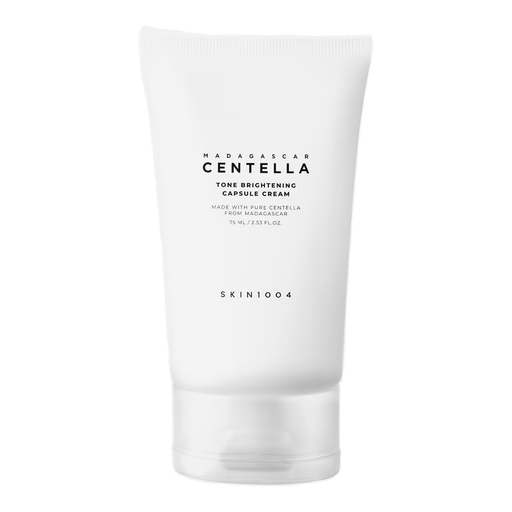
Why it suits this profile: According to the product description, this lightweight gel cream contains 75 ml and is suitable for normal, dry, combination, sensitive and oily skin.
The product information names specific ingredients, including centella asiatica, niacinamide, tranexamic acid and panthenol, rather than relying solely on general terms.
75 ml, tube packaging, alcohol-free and fragrance-free according to the product specifications.
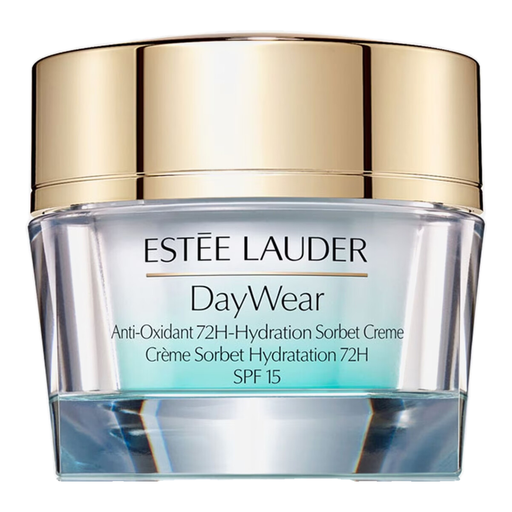
Why it suits this profile: According to the product description, the airy sorbet texture is intended for normal to combination skin and can be used as both a day and night cream.
The texture and target skin type are specified. SPF 15 makes the cream suitable for light daily protection, but it does not automatically replace a separate sunscreen.
50 ml, oil-free formula according to the product specifications and SPF 15.
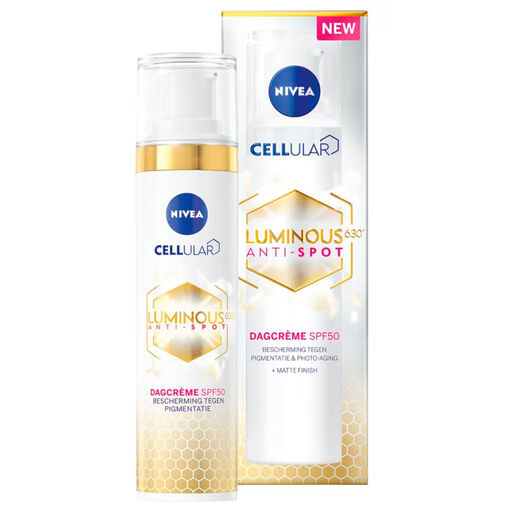
Why it suits this profile: If you are looking for one day product with a high SPF and a formula that, according to the brand, targets pigmentation, this product offers clear specifications.
The SPF 50 and the ingredient Thiamidol are listed. According to NIVEA’s own research, changes in pigmentation were measured in a limited study group; individual results may vary.
SPF 50, UVA/UVB filters and hyaluronic acid according to the product information; 40 ml contents.
We have put together a complete, up-to-date list of products that fully meet these strict selection criteria and the applicable European safety regulations.
Choose a day cream when SPF, a lightweight texture and comfortable use under make-up are important to you. A night cream may be richer and usually contains no UV filters. One example is the NIVEA Cellular Expert Filler Anti-Age Night Cream, which contains hyaluronic acid, panthenol and folic acid according to the product information. If you prefer a simpler routine, you can use the same hydrating face cream in the morning and evening, provided the instructions allow this.
Korean skincare is often known for gel textures, centella asiatica and several lightweight layers of care. That does not mean every Korean formula works in the same way. Here too, compare the ingredients, fragrance, contents and target skin type.
Check the expiry date and the period-after-opening symbol on the packaging. Close the jar or tube securely and store the cream in a cool place away from direct sunlight. A change in smell, colour or texture may be a reason to stop using the product.
A day cream with SPF provides the protection stated on the label when you use enough product. For prolonged sun exposure, swimming or exercise, a separate sunscreen is more practical. Reapply it according to the product instructions.
Look for a simple, fragrance-free formula containing hydrating ingredients such as glycerine, panthenol or ceramides. Introduce new active ingredients one at a time. Stop using the product if irritation occurs and consult a doctor or dermatologist if skin problems persist.
