
Vandaag of morgen in huis

Kwaliteit gegarandeerd

Welkomstaanbiedingen ontgrendelen: GRATIS bezorging | Tot 80% korting | Gratis 30 dagen JoyPlus-proefperiode
Download de app
A face cream with SPF combines daily skincare with protection against UV radiation. That sounds straightforward, but there are significant differences between a day cream with SPF, a moisturising facial sunscreen and a tinted anti-ageing day cream. Choosing the wrong product can leave your skin feeling heavy, provide insufficient protection or cause irritation.
So do not focus solely on a prominent SPF number or a promise of an even complexion. Consider the protection factor, the ingredients, your skin type and how you will actually use the cream.
SPF mainly refers to protection against UVB radiation, which can cause redness and sunburn. UVA protection is also important for daily facial sun protection. Check whether the product mentions UVA protection, for example with the European UVA logo, a separate UVA indication or a PA rating.
An SPF 30 face cream may be suitable for everyday use, but for prolonged exposure, fair skin or intensive outdoor activities, SPF 50 or SPF 50+ may be the more sensible choice. No sunscreen provides complete protection from the sun. Avoid strong midday sun and reapply after swimming, sweating or drying yourself.
A cream can only provide the level of protection stated on the packaging if you use enough of it. Applying a small amount to your face is usually not sufficient. Apply the product evenly to your face and neck, following the instructions on the packaging.
People who wear make-up sometimes forget their ears, hairline and neck. Cream is not always reapplied either. A day cream with SPF may be practical for a short cycle to work, but for a day at the beach, a separate facial sunscreen is often more convenient.
Terms such as “anti-ageing”, “brightening” and “for pigmentation spots” describe a cosmetic aim, not a guaranteed result. According to NIVEA’s own research, LUMINOUS630 can visibly reduce pigmentation spots in two weeks; this is a brand claim and not a guaranteed result for every user. OLAY mentions results after 14 days for certain products, also based on its own product communications.
Protection against UV radiation helps limit new sun-induced discolouration, but a cream for pigmentation spots is not a substitute for professional advice if you have noticeable or changing skin marks.
Choose the factor based on how you plan to use the product:
As well as the SPF, check the UVA indication. For example, the iUNIK Centella Calming Daily Sunscreen states SPF 50+ PA++++ and a fragrance-free formulation. The P20 Sensitive Face Cream has SPF 50+ and contains glycerine, panthenol and squalane, among other ingredients, according to the listed formulation.
A face cream for dry skin often contains richer emollient ingredients, such as shea butter, argan oil or fatty alcohols. A lightweight fluid or matte sunscreen may feel more comfortable on normal or oilier skin.
Examples:
Check the full ingredients list, especially if you have reacted to cosmetics in the past. For example, fragrance appears in the ingredients lists of NIVEA Essentials Nourishing Day Cream SPF 30 and OLAY Vitamin C Face Moisturiser SPF 30. According to the product information, Clinique Moisture Surge SPF 25 Sheer Hydrator is described as fragrance-free.
“Dermatologically tested” means that a brand has carried out a particular test, but it does not automatically indicate how your skin will react. Stop using the product if irritation occurs and follow the safety information on the packaging.
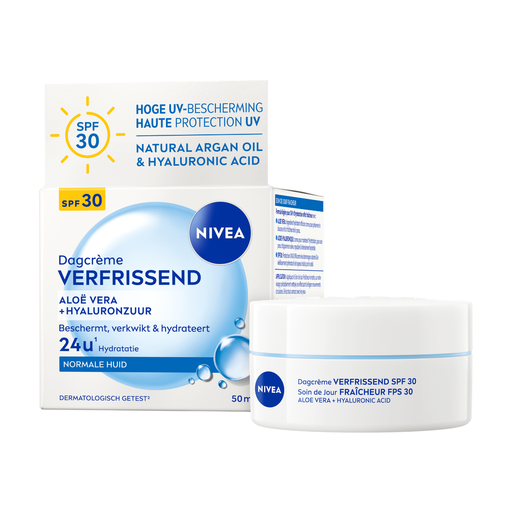
Why it suits this profile: This SPF 30 day cream is a straightforward choice for anyone who wants to combine hydration and daily protection in one product.
The SPF 30 is clearly stated in the product name, and the formula contains several UV filters according to the ingredients list. Do bear in mind that it contains fragrance.
Aloe vera, glycerine and sodium hyaluronate; a lightweight, fast-absorbing formula according to the product description.
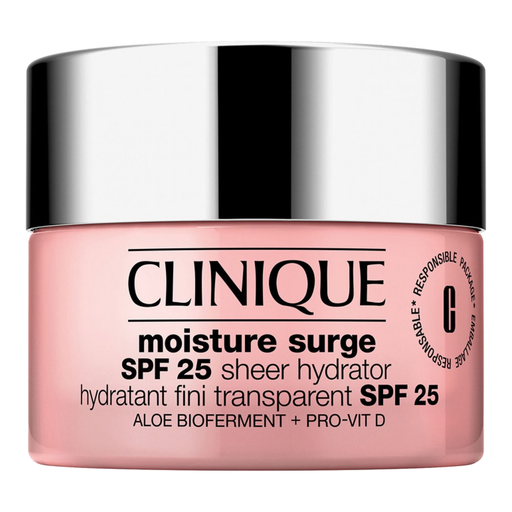
Why it suits this profile: An option for anyone who values a sheer finish, fragrance-free formula and lightweight texture, including under make-up.
The product information mentions a sheer finish and 100% fragrance-free formula, directly addressing two common concerns.
SPF 25, moisturising formula, fragrance-free and suitable for all skin types according to the product details.
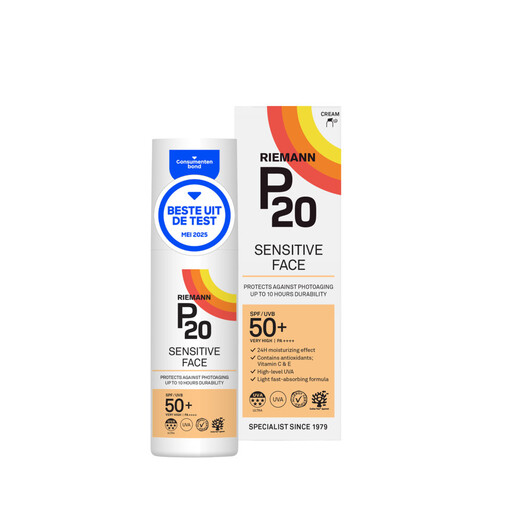
Why it suits this profile: This SPF 50+ face cream is aimed at people who spend a lot of time outdoors and are looking for a higher protection factor for the face.
The usage instructions emphasise applying generously, waiting 15 minutes before exposure and reapplying after drying yourself or sweating.
SPF 50+, glycerine, panthenol and squalane; designed for the face and, according to the product information, originating from Denmark.
We have put together a complete, up-to-date list of products that fully meet these strict selection criteria and the applicable European safety regulations.
A moisturising face cream with SPF is particularly useful when you need to keep your daily routine short. When exercising, swimming or spending a long time outdoors, check whether the formula is suitable for that use and take a separate sun protection product with you.
SPF 30 may be suitable for everyday use, provided you apply enough and also pay attention to UVA protection. For prolonged exposure or intensive outdoor use, many consumers choose SPF 50 or SPF 50+.
Yes, many day creams with SPF are designed for this. Allow the cream to sink in first and choose a lightweight or sheer formula if you want a smooth base. A tinted option, such as the NIVEA Cellular LUMINOUS630 CC Fluid Cream SPF 30, can also provide light colour correction. According to NIVEA’s own research, the product has an evening effect; results may vary from one person’s skin to another.
Check the expiry date and the information about the period after opening on the packaging. Store the cream in a cool place away from direct sunlight. If its smell, colour or texture changes, it is advisable to stop using the product. The protection factor is also only reliable when you apply enough cream regularly.
