
Vandaag of morgen in huis

Kwaliteit gegarandeerd

Welkomstaanbiedingen ontgrendelen: GRATIS bezorging | Tot 80% korting | Gratis 30 dagen JoyPlus-proefperiode
Download de app
A face cream with SPF combines two steps in one: skincare and protection from UV radiation. That sounds simple, but the differences between products can be significant. For example, a rich cream for dry skin may not feel comfortable on oilier skin. An SPF rating on a day cream also does not automatically mean you will be protected all day during a day at the beach or a long bike ride.
As a Joybuy Product Recommendation Officer, I filter product information based on verifiable properties. Below, you’ll find what to look for, which marketing claims to consider with some caution and which popular choices suit different situations.
SPF mainly provides information about protection against UVB radiation. So, also check whether the product explicitly mentions UVA and UVB protection or contains filters that, according to the product information, support broad-spectrum protection. A face cream with SPF 15, SPF 20, SPF 25 or SPF 30 is intended for a different level of use.
For everyday commuting, a day cream with SPF can be practical. For prolonged exposure, heavy sweating or swimming, a separate sun cream is a more logical choice. Apply it generously and follow the instructions on the packaging.
An SPF rating says nothing about how moisturising, fragrance-free or suitable for sensitive skin a formula is. Also consider the texture and ingredients. Glycerine, hyaluronic acid, panthenol and oils are often used in a moisturising face cream. Dry skin may benefit from a richer formula containing ingredients such as argan oil, shea butter or squalane. Normal or combination skin may prefer a lighter cream.
Claims such as “reduces wrinkles” or “repairs the skin barrier” are product claims. According to a brand’s own research or a consumer test, such results may have been measured under specific conditions. So, do not regard them as guaranteed results for everyone.
The front often mentions SPF, hydration and anti-ageing properties, but the ingredients list provides additional information. Look out for:
A face cream with SPF 15 is an accessible choice for everyday use with limited exposure. SPF 25 or SPF 30 offers a higher protection factor according to the product description. This makes SPF 30 appealing if you spend a lot of time outdoors or are looking for an anti-ageing face cream with additional UV filtering.
However, the amount applied remains important. A thin layer of day cream may provide less protection than the quantity used as the basis for the SPF test. For intensive outdoor use, a separate sun lotion, such as an SPF 30 formula, is easier to apply generously and reapply as needed.
Check whether the product explicitly mentions UVA and UVB protection. Many formulas list various UV filters in their ingredients, but the presence of a filter list does not replace the usage instructions. Avoid contact with the eyes and stop using the product if irritation occurs. An SPF day cream is not a reason to spend longer in the sun.
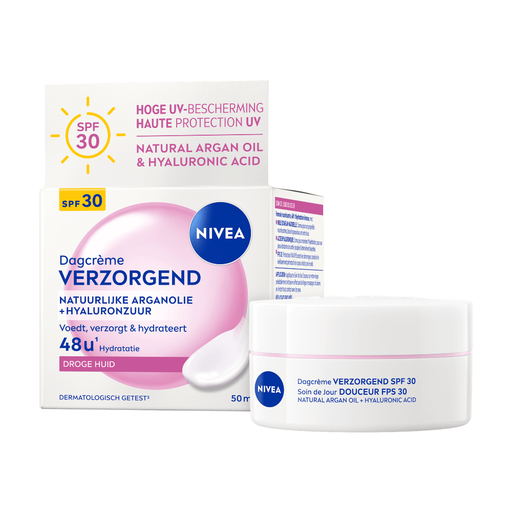
Why it suits this profile: This 50 ml day cream combines a nourishing formula with SPF 30 and, according to the product description, has been developed for dry skin. It is a practical choice if you are looking for a single morning product.
The SPF factor and skin type are clearly stated. However, check whether the rich texture remains comfortable when your skin is not dry.
SPF 30, 50 ml contents, argan oil, hyaluronic acid and shea butter according to the ingredients list.
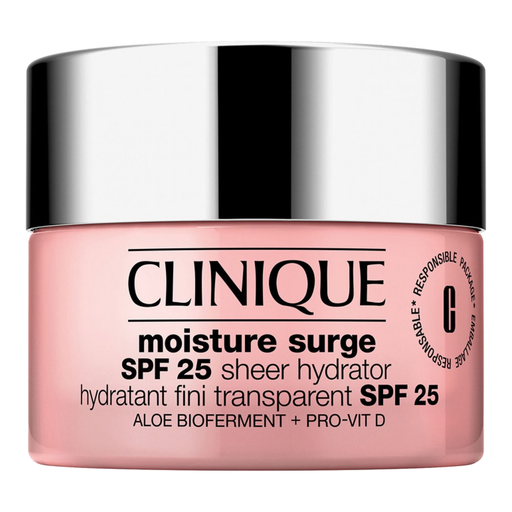
Why it suits this profile: The product information mentions a lightweight texture, SPF 25 and a fragrance-free formula. This suits anyone looking for hydration without a heavy feel beneath make-up.
The description explicitly mentions a transparent finish and a fragrance-free formula. If you have allergies, always check the current packaging.
SPF 25, 50 ml, fragrance-free according to the product details and stated to be suitable for all skin types.
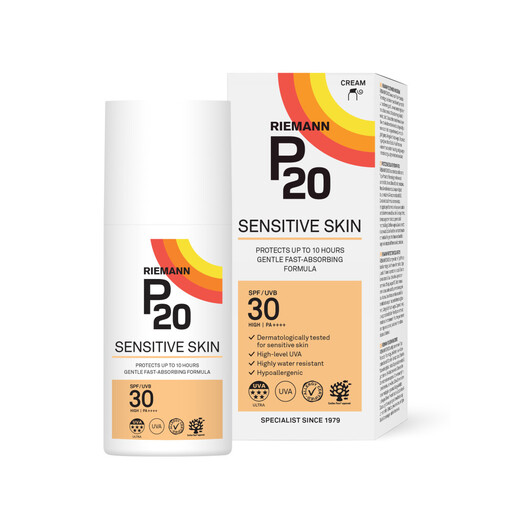
Why it suits this profile: This is a 200 ml sun lotion rather than a classic face cream. That makes it suitable as additional protection for long outdoor activities alongside your daily facial skincare.
The packaging and usage instructions make it clear that generous application and regular reapplication are necessary. Do not use it as a substitute for moisturising.
SPF 30, 200 ml contents and instructions for use before exposure to the sun.
We have put together a complete, up-to-date list of products that fully meet these strict selection criteria and the applicable European safety regulations.
Not always. For brief daily exposure, a day cream with SPF can be practical. When spending a long time outdoors, exercising, swimming or in strong sunlight, a separate sun cream is more suitable. Apply enough product and repeat the application when the usage instructions recommend it.
That depends on your exposure and skincare routine. SPF 15 is suitable for limited daily exposure, while SPF 25 or SPF 30 offers more leeway. No SPF makes prolonged sunbathing without additional precautions advisable.
You can, but check the texture and ingredients. A wrinkle cream containing hyaluronic acid, glycerine or nourishing oils may feel comfortable on dry skin. If you have sensitive skin, fragrance-free options are often preferable. Treat brand claims as cosmetic product information, not as guaranteed results.
