
Vandaag of morgen in huis

Kwaliteit gegarandeerd

Welkomstaanbiedingen ontgrendelen: GRATIS bezorging | Tot 80% korting | Gratis 30 dagen JoyPlus-proefperiode
Download de app
Choosing a face cream with SPF may seem straightforward, but the packaging does not always tell the full story. A lightweight day cream may feel pleasant, for example, but may not provide enough protection for a long day outdoors. A tinted moisturiser with SPF can even out your complexion, but often offers limited coverage. And a high protection factor says nothing about the texture, water resistance or suitability for your skin.
With this guide, you can compare day cream with SPF 30, SPF 50 for the face and sun cream for sensitive skin based on verifiable properties.
SPF mainly refers to protection against UVB radiation. So also check whether the product states that it provides protection against UVA and UVB. UVA rays can pass through clouds and glass, making them relevant for daily use, including during your commute.
An SPF 15 or SPF 25 cream may be suitable as lightweight daily skincare, but for extensive outdoor activities, SPF 50 or SPF 50+ for the face is often the more sensible choice. No sun cream makes prolonged sunbathing risk-free.
Applying a thin layer of day cream does not automatically provide the protection stated on the packaging. When using sun cream for the face, generous and even application is important. Apply the product before sun exposure and reapply after sweating, swimming or drying yourself, according to the instructions.
A product that absorbs quickly may therefore be more practical than a heavy cream, as it is easier to apply generously.
Words such as “intensely hydrating”, “invisible” or “suitable for all skin types” are not enough to assess a product. Also look at:
A brand’s own research may mention additional results, but such results are not a guarantee for every user.
A day cream with SPF 30 is practical for everyday use when you are mainly outdoors for short periods. If you work outdoors, exercise, cycle or are planning a sunny holiday, you may prefer SPF 50 or SPF 50+.
Remember that SPF only works when you apply enough product and reapply it. A higher factor does not compensate for applying too thin a layer.
Mineral sun protection uses filters such as titanium dioxide. The product information for the tinted Complexion Rescue variants mentions mineral SPF 30. These formulas also provide a matte finish and light, buildable coverage.
Other products use organic UV filters. These can provide a transparent finish, as with some lightweight lotions and face creams. Your choice depends on your preferences regarding texture, finish and ingredients. If you have sensitive skin, test a small amount first and avoid contact with the eyes.
A hydrating face cream with sun protection should feel comfortable enough for everyday use. Dry skin may benefit from glycerine, hyaluronic acid, squalane or nourishing oils. Oily or blemish-prone skin may prefer an oil-free, mattifying or non-comedogenic sun cream.
A tinted moisturiser with SPF is useful if you want light coverage without using a separate foundation. Pay attention to the shade. A tint that is too light or too dark is more noticeable than a transparent sun cream.
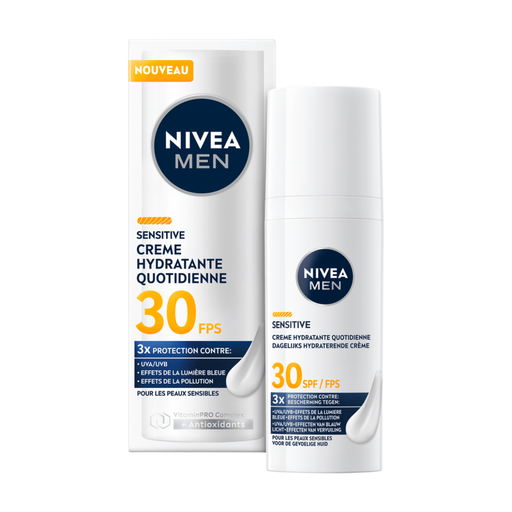
Why it suits this profile: A lightweight 50 ml face cream for daily care and protection of sensitive skin.
The SPF 30 and lightweight, fast-absorbing formula make the protection factor clearer than with an ordinary moisturiser without SPF.
SPF 30, 24-hour hydration according to the product description and a dermatologically tested formula for sensitive skin.
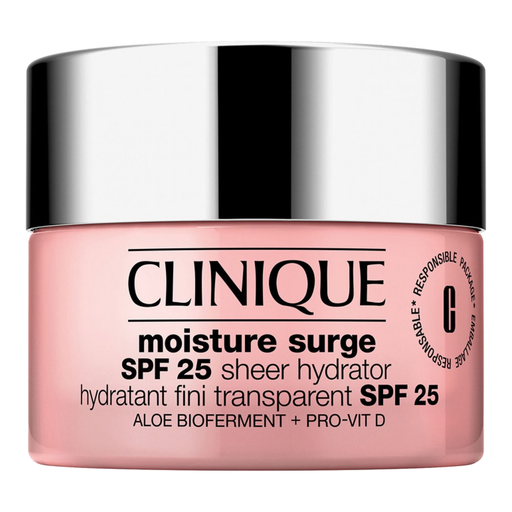
Why it suits this profile: For anyone looking for a lightweight, fragrance-free face cream with a transparent finish that can be worn under make-up.
The product information states that it has a transparent finish and a 100% fragrance-free formula, helping you avoid a white cast or strong scent.
SPF 25, fragrance-free, non-comedogenic according to the product details and suitable for all skin types.
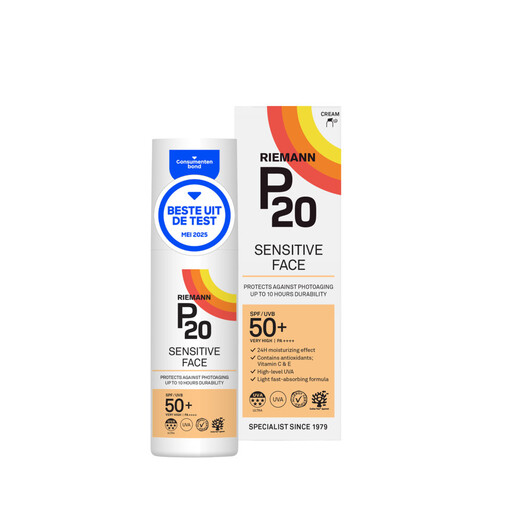
Why it suits this profile: For outdoor use, travel and situations where a higher factor and generous facial application are preferred.
The SPF 50+ is clearly stated, and the instructions emphasise applying generously and reapplying regularly.
SPF 50+, 50 grams, with glycerine, panthenol and squalane in the ingredients list.
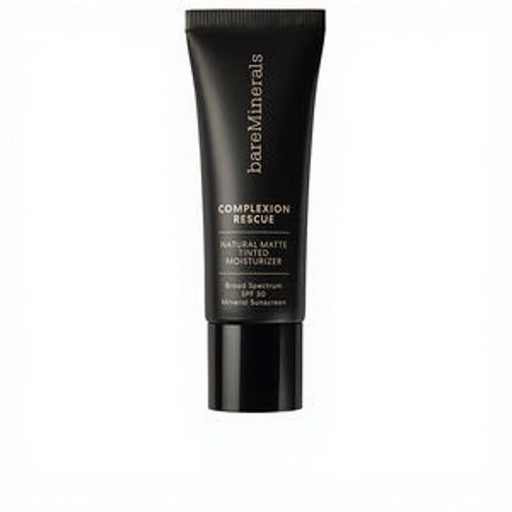
Why it suits this profile: For anyone who wants to combine a light, buildable tint and matte finish with skincare offering UV protection.
The product details state that it offers light coverage, SPF 30 and a non-comedogenic formula, so you do not have to choose based solely on the colour or finish.
Mineral SPF 30, matte finish, 35 ml and a tint that, according to the description, can be built from transparent to light coverage.
We have compiled a complete, up-to-date list of products that fully meet these strict selection criteria and the applicable European safety regulations.
If you have sensitive skin, it is advisable to check the ingredients list for fragrance, alcohol and known allergens. Stop using the product if irritation occurs and follow the safety information on the packaging.
That depends on your exposure and the amount of product used. For short periods outdoors each day, SPF 30 may be practical. If you are outdoors for extended periods, exercising or travelling, a separate face sun cream with SPF 50 or SPF 50+ is often the more sensible choice. Regular reapplication remains essential.
Yes, if light coverage is enough for you. A tinted moisturiser generally evens out your complexion more subtly than foundation. Check the shade and apply enough product to achieve the stated SPF. Do not use less product simply to make the colour less noticeable.
Check the expiry date or the period after opening shown on the packaging. Store the product in a cool, dry place away from direct sunlight. A change in smell, colour or texture may indicate that you should no longer use the product. Always follow the manufacturer’s instructions.
