
Vandaag of morgen in huis

Kwaliteit gegarandeerd

Welkomstaanbiedingen ontgrendelen: GRATIS bezorging | Tot 80% korting | Gratis 30 dagen JoyPlus-proefperiode
Download de app
A face cream with SPF can simplify your morning routine: one product for hydration and protection against UV radiation. But not every daily SPF cream is suitable for every face. A low protection factor, an unpleasant finish, or fragrance in the formula can mean you end up using the product less often than planned.
So don't just look out for terms like "anti-ageing", "glow" or "lightweight". Pay close attention to the SPF value, the ingredients, your skin type and the usage instructions.
SPF mainly refers to protection against UVB radiation, which causes redness and burning, among other things. Also look for an indication of UVA protection, such as "broad spectrum", a UVA logo or a PA rating. A product with SPF 50 does not offer 100% protection and does not make prolonged sun exposure risk-free.
For daily use in the UK, SPF 30 might seem sufficient for some situations, but in strong sunlight, for outdoor work, sport, or if your skin burns easily, many people opt for SPF 50 face cream. Always follow the label and apply enough product.
A thin layer of daily cream with UV protection does not automatically give you the protection stated on the packaging. Apply the cream generously and evenly to your face and neck, ideally before you go outside. Reapplication is necessary with prolonged exposure, sweating or towel drying.
A tinted moisturiser or make-up with SPF is often applied too thinly to serve as your sole sunscreen. So see such a product as a top-up rather than a replacement for a separate facial sunscreen.
"Hydrating", "mattifying" and "anti-ageing" don't tell you how the texture will feel on your skin. Dry skin can benefit from glycerine, hyaluronic acid, panthenol or a richer cream. Oily or combination skin often needs a light, oil-free or mattifying sunscreen.
Also check whether the product contains fragrance, alcohol denat. or other ingredients you have reacted to before. If you have sensitive skin, a patch test is wise. Stop using it if irritation occurs and, if symptoms persist, seek advice from a doctor or dermatologist.
Choose a product with a clearly stated SPF 30 or SPF 50+ and check that UVA protection is indicated. The PA++++ rating, found on some Korean sunscreens, is a classification for UVA protection. The exact effectiveness depends on the formula and correct application.
Not every product is water-resistant. The product information for Anua, for example, explicitly states that the sunscreen is not water-resistant. For swimming, heavy sweating or beach days, you need a product that states water resistance on the label. Even then, reapplication remains essential.
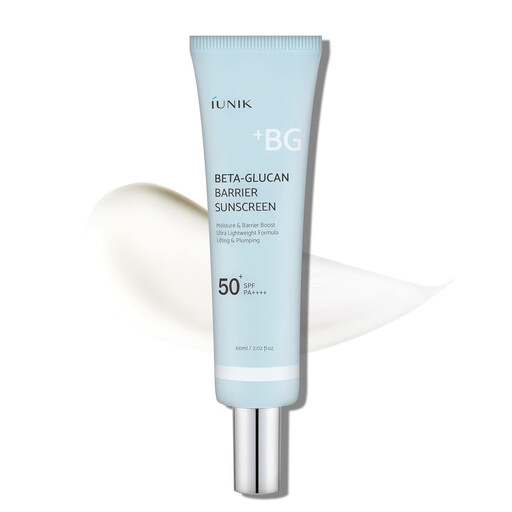
Why this fits the profile: The product description states SPF 50+ and PA++++, along with a moisturising formula for dry, oily and sensitive skin. This makes it a practical choice for anyone looking for one daily Korean sunscreen.
The high SPF and PA rating prevent you from relying on a low SPF alone. The description also mentions a matte finish and no white cast.
SPF 50+, PA++++, vegan according to the product information and suitable for multiple skin types.
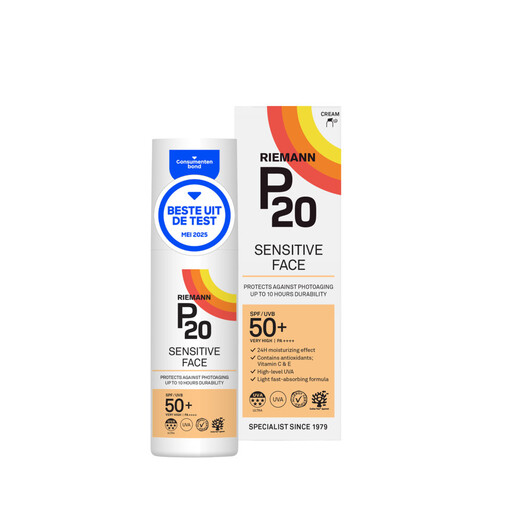
Why this fits the profile: This face cream is designed for sensitive skin and contains, among other ingredients, glycerine, panthenol, trehalose and squalane according to the ingredients list. The usage instructions emphasise generous application and regular reapplication.
The high SPF is clearly stated and the instructions warn that using too little sunscreen significantly reduces protection.
SPF 50+, 50 g content and a formula with panthenol and squalane according to the product data.
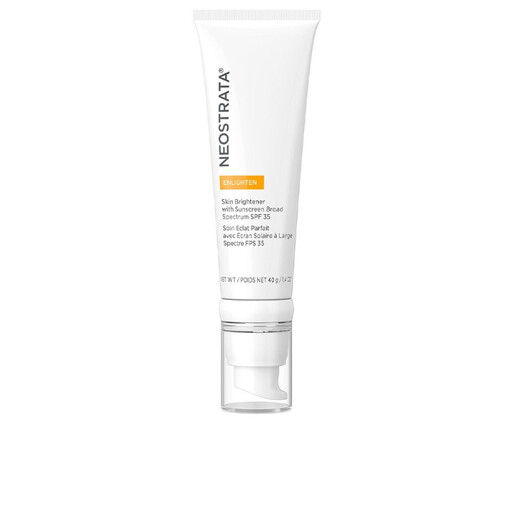
Why this fits the profile: According to the product information, this product is oil-free and non-comedogenic, with SPF 35 and ingredients such as neoglucosamine and B-resorcinol. It is designed for hydration and a more even-looking complexion.
The SPF value and the skin concern are clearly stated. Don't expect a quick guarantee against pigmentation; the effect of skincare ingredients varies from person to person.
SPF 35, 40 g content, oil-free and non-comedogenic according to the product description.
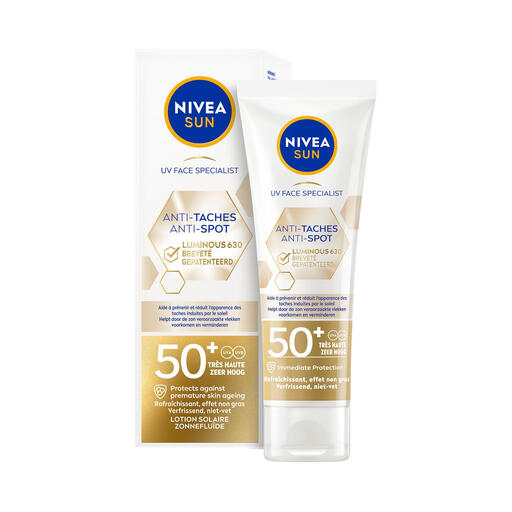
Why this fits the profile: The product description mentions SPF 50+ and Luminous630 as part of the formula for a more even-looking complexion. This suits anyone who wants to combine daily sunscreen with care for pigmentation.
The high SPF is a good starting point for daily protection. The claim about pigmentation comes from the brand's product information and is not a guaranteed personal result.
SPF 50+, 40 ml and Luminous630 according to the stated product details.
We have put together a full, up-to-date list of products that fully meet these strict selection criteria and comply with current European safety regulations.
A product with SPF does not replace protective clothing and does not make sunbathing risk-free.
That depends on your exposure. For short daily trips, a day cream with SPF can be practical. For beach visits, outdoor work, sport or heavy sweating, a separate facial sunscreen with clear UVA and water-resistance information is often more suitable. Always apply enough and reapply when necessary.
Check the expiry date and the symbol for the period after opening on the packaging. Store the cream in a cool place out of direct sunlight. A change in smell, colour or texture is a reason to stop using the product, even if the expiry date has not passed.
Yes. An anti-ageing day cream with SPF combines nourishing ingredients with a stated protection factor. Bear in mind that SPF 15 or SPF 20 offers less protection than SPF 50+. In strong sun, you can apply a separate facial sunscreen over your skincare. Claims about wrinkles, firmness or pigmentation are brand claims and do not guarantee a specific result for every user.
