
Vandaag of morgen in huis

Kwaliteit gegarandeerd

Welkomstaanbiedingen ontgrendelen: GRATIS bezorging | Tot 80% korting | Gratis 30 dagen JoyPlus-proefperiode
Download de app
A face cream with SPF combines two everyday steps: hydration and protection from UV radiation. That sounds practical, but not every moisturiser with sun protection suits every skin type or situation. Dry skin, for example, often needs a richer texture, while combination skin usually feels more comfortable with a lightweight cream.
Marketing claims can also be confusing. Terms such as “anti-ageing”, “anti-pigmentation” and “24-hour hydration” do not always tell you how a product will work in your routine. Below, you can find out what to look for before choosing a day cream with SPF 30, an anti-ageing face cream or a separate facial sunscreen.
SPF indicates the level of protection against UVB radiation under standardised test conditions. For UVA protection, you should also check the information on the label, such as a UVA logo or a statement confirming broad-spectrum protection. No cream makes prolonged exposure to the sun risk-free.
Apply the product generously and reapply if you are outdoors for a long time, sweat or dry yourself off. For a day at the beach, a bike ride or a walk, a separate sunscreen with SPF 50+ may be more practical than an everyday day cream.
Brands associate ingredients such as soya extract, peptides, niacinamide, antioxidants and hyaluronic acid with a smoother or firmer-looking appearance. Bear in mind that, according to the brand’s own research or the product description, a product may help support certain visible changes. This does not indicate a medical effect and is no guarantee for every skin type.
A wrinkle or pigmentation cream will also only work as intended if you use it consistently. Protection from UV radiation remains an important part of daily skincare.
Check the ingredients list if you have sensitive or dry skin. Fragrance, alcohol denat. and essential oils may feel less comfortable for some users. A dermatologically tested formula is useful information, but it does not automatically mean that everyone will tolerate the product without problems.
If in doubt, test a small amount on a limited area of skin first. Stop using the product if irritation occurs and always follow the instructions on the packaging.
For everyday use in the Netherlands, many consumers choose a day cream with SPF 30. SPF 15, SPF 25 and SPF 30 are also available in moisturising creams. A higher factor, such as SPF 50+, is more suitable in strong sunlight, for fair skin or during prolonged outdoor activities.
Remember that SPF does not promise complete protection against every effect of sun exposure. Also look for a clear statement confirming UVA protection and check whether the product is water-resistant if you need it to be.
A 50 ml jar is convenient for use at home, while a tube or pump bottle may be more hygienic for everyday use. Check the expiry information on the packaging. The stated SPF applies when enough product is used; a thin layer will not automatically provide the protection shown on the label.
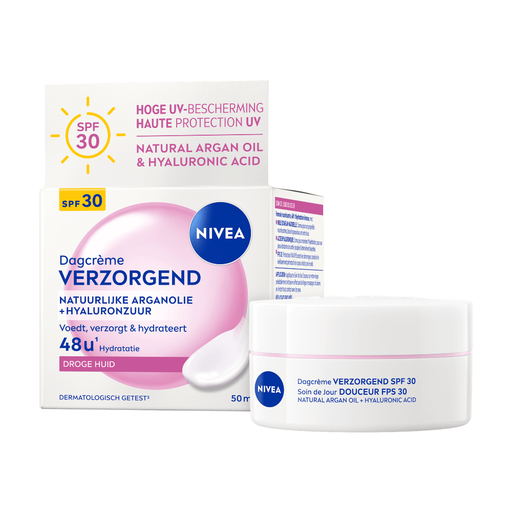
Why it suits this profile: This 50 ml day cream is designed for dry skin and combines skincare with SPF 30 for a simple morning routine.
The SPF factor and skin-specific use are clearly stated in the product information. However, check the current ingredients list on the packaging before buying.
SPF 30, 50 ml size, argan oil, shea butter and sodium hyaluronate according to the product description.
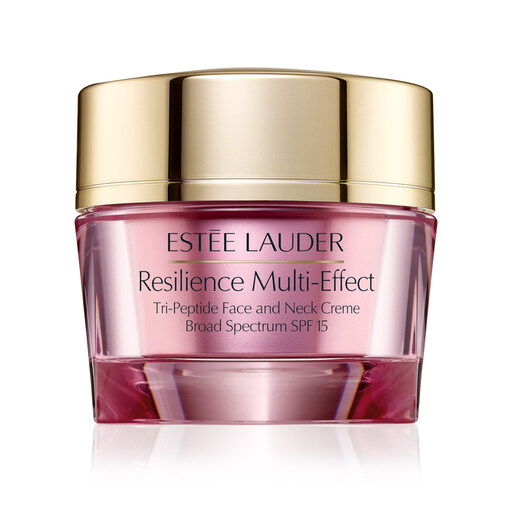
Why it suits this profile: A nourishing cream for the face and neck, intended for normal to combination skin and for those who value skincare more than a high SPF.
The SPF 15 is clearly specified. If you spend a lot of time outdoors, supplement it with a sunscreen with a higher factor.
Tri-peptide formula, nourishing texture and 50 ml size according to the product details.
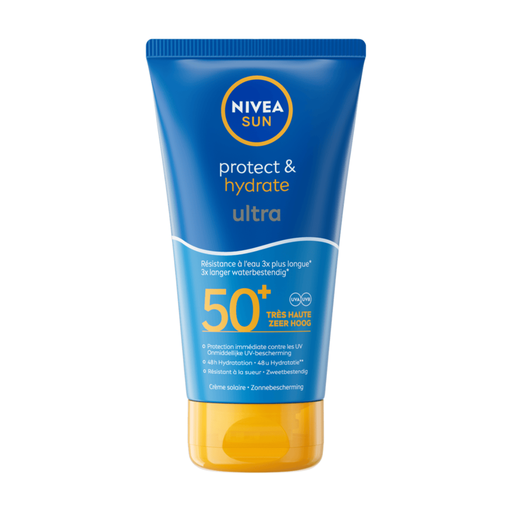
Why it suits this profile: This is a separate 150 ml sunscreen for people who regularly spend time outdoors and want a higher factor than many day creams offer.
The high SPF makes it clear that this is primarily sun protection, rather than just a moisturiser with sun protection. Reapply according to the usage instructions.
SPF 50+, stated UVA/UVB protection and a formula that hydrates according to the product description.
A face cream with SPF is convenient on working days, while shopping or during a short bike ride. However, the amount people apply each day is often less than the amount used when SPF is tested. For prolonged exposure, a separate sunscreen is usually easier to apply generously.
If you are looking for a cream for sensitive skin, it is worth checking for fragrance and alcohol. For an anti-ageing face cream, the SPF, texture and suitability for everyday use are more important than a striking claim on the front of the pack. If you want more flexibility, you can combine a hydrating day cream without SPF with a separate sun protection product.
We have put together a complete, up-to-date list of products that fully meet these strict selection criteria and the applicable European safety regulations.
SPF 30 may be suitable for everyday use with limited exposure, provided you apply enough and reapply when necessary. In bright sunlight, during a long outdoor activity or if your skin reddens easily, SPF 50+ may be a more sensible choice.
Yes, many day creams with SPF are designed for this. Allow the cream to absorb fully first and check that its texture works well with your make-up. If you are spending a long day outdoors, reapplication is still necessary; a separate sunscreen or sun protection stick may be more practical.
Check the expiry date and the period after opening on the packaging. Store the cream according to the instructions, away from direct sunlight and at a suitable temperature. A change in smell, colour or texture is a reason to stop using the product.
