
Vandaag of morgen in huis

Kwaliteit gegarandeerd

Welkomstaanbiedingen ontgrendelen: GRATIS bezorging | Tot 80% korting | Gratis 30 dagen JoyPlus-proefperiode
Download de app
Buying a new face cream seems simple, until you have to choose between a gel cream, rich day cream, ceramide cream or Korean moisturiser. Marketing copy often promises long-lasting hydration, a visible glow or a stronger skin barrier. However, an appealing claim does not always say anything about whether a product is suitable for your skin.
Pay particular attention to the formula, ingredients list, texture and directions for use. This helps you avoid buying a product that feels too heavy, starts to sting or ends up unused in the bathroom after a few weeks.
A brand may, for example, claim up to 24, 48 or 100 hours of hydration. According to the relevant brand’s own research or the product description, such a result may have been established under certain conditions. It is not a guarantee that your skin will remain comfortable for just as long.
So, also look at the ingredients. Glycerine, panthenol, betaine and hyaluronic acid help attract moisture. Squalane, oils, shea butter and silicones can leave the skin feeling soft and help limit moisture loss. A combination of both types of ingredients is often more practical than relying solely on a striking claim on the packaging.
A body lotion can be perfectly suitable for dry arms or hands, but it is not automatically the right moisturiser for the face. Body products are sometimes richer, fragranced or less tailored to the sensitive skin around the eyes and mouth.
According to the product information, NIVEA Moisturizing Cream Blue Tin is suitable for the face and body, but it does contain fragrance and listed fragrance allergens such as limonene and geraniol. This makes it important to check the ingredients list when looking for a face cream for sensitive skin.
A universal description does not mean that every texture feels comfortable on every skin type. Oily skin may find a rich cream too heavy, while dry skin may still feel tight when using a lightweight gel cream.
Pay attention to the difference between:
Start by choosing based on how your skin usually feels:
For everyday hydration, glycerine, sodium hyaluronate, hyaluronic acid and panthenol are common ingredients. A hyaluronic acid cream can leave the skin feeling supple, but the overall formula and the condition of your skin remain decisive.
If your main focus is the skin barrier, look for ceramide NP, ceramide AP, ceramide EOP, cholesterol, phytosphingosine and fatty acids. A ceramide cream is particularly worth considering if you have dry skin or skin that quickly feels tight.
Niacinamide features in several recommended products. According to the product description, it is used for skincare and a more even-looking complexion. Do not expect guaranteed results and stop using the product if irritation occurs.
Do not compare just the price; consider the volume too. A 100 ml jar may seem better value, but you may use it more quickly than a 30 ml product. Also check:
Apply a new product to a small area of skin first. Stop using it if you experience redness, itching, swelling or other irritation, and consult a healthcare professional if symptoms persist.
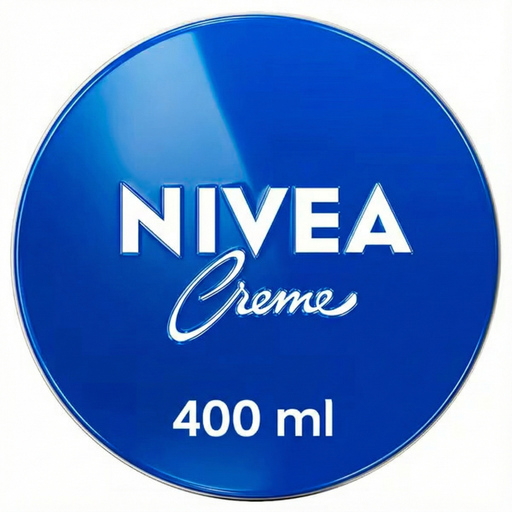
Why it suits this profile: The generous size is practical for anyone who wants to use one cream on the face, hands and body.
The product description clearly states that the cream is intended for the face and body. However, check the fragrance ingredients if you have sensitive skin.
400 ml; contains glycerine and panthenol; suitable for everyday use.

Why it suits this profile: According to the product information, the gel cream is suitable for dry, combination and oily skin and can be worn under make-up.
The formula is described as free from alcohol and fragrance. The claim of up to 100 hours of hydration remains a brand claim and is not a personal guarantee.
Gel cream texture; 30 ml; according to the product details, non-comedogenic and fragrance-free.

Why it suits this profile: According to the ingredients list, this cream focuses on a formula containing panthenol, three ceramides, squalane and hyaluronic acid for everyday skincare.
The formula makes the key barrier-supporting ingredients easy to verify instead of relying only on a general “repair” claim.
100 ml; ceramide NP, AP and EOP; panthenol, glycerine and hyaluronic acid in the ingredients list.

Why it suits this profile: The lightweight gel texture is ideal for anyone looking for a fresh Korean face cream for oily or combination skin.
The product information explicitly mentions the gel texture and use for oily skin. This means you do not have to rely solely on the word “lightweight”.
100 ml; lightweight gel cream; according to the product details, designed to support hydration and pore care.
We have put together a complete, up-to-date list of products that fully meet these strict selection criteria and the applicable European safety regulations.
For most daily routines, applying it once in the morning and once in the evening is usual, provided the product packaging recommends this. Apply the cream after cleansing and, if applicable, after toner or serum. During the day, sunscreen should be the final step if your day cream does not contain a suitable SPF.
Check the date and the period after opening on the packaging. Keep the cream closed, dry and out of direct sunlight. If the smell, colour or texture changes noticeably, stop using the product.
Look for a fragrance-free or lightly fragranced formula containing hydrating and barrier-supporting ingredients such as glycerine, panthenol, ceramides and squalane. Test a new moisturising cream on a small area of skin first. A product that the brand says is suitable for sensitive skin remains an individual choice; stop using it if irritation occurs.
