
Vandaag of morgen in huis

Kwaliteit gegarandeerd

Welkomstaanbiedingen ontgrendelen: GRATIS bezorging | Tot 80% korting | Gratis 30 dagen JoyPlus-proefperiode
Download de app
A face cream may seem simple to choose, but the differences in texture, ingredients and intended use can be significant. A rich cream can feel soothing on dry skin, but heavy on oily skin. A gel cream may feel comfortable during the day, while sensitive skin may react to fragrance or essential oils.
Marketing claims can also be confusing. Words such as “intensive hydration”, “glow” and “skin barrier repair” only become meaningful when you check the ingredients list and usage instructions. With this practical guide, you can focus on what is genuinely relevant to your skin and routine.
“For all skin types” does not automatically mean that a cream will feel equally comfortable for everyone. A product containing shea butter, oils or a rich occlusive texture may suit dry skin, but feel less comfortable on oily or combination skin.
That is why you should consider the texture:
A hyaluronic acid cream, niacinamide cream or ceramide cream can be a useful addition, but one ingredient does not determine how well an entire formula works. The combination of glycerine, panthenol, oils, silicones and emollients affects how the cream feels and how well it helps retain moisture.
Also check where an ingredient appears in the ingredients list. Ingredients are generally listed in descending order, although exceptions apply to smaller quantities. A product containing several types of hyaluronic acid is not automatically richer or more suitable than a simpler formula.
A cream may be described as gentle or suitable for sensitive skin, while the ingredients list still includes fragrance or essential oils. For example, The Dear, Klairs Rich Moist Soothing Cream lists essential oils including lemon, lavender, orange, geranium, ylang ylang and eucalyptus. This does not necessarily make the cream unsuitable, but it is relevant information if your skin tends to react quickly.
When trying a new cream, first carry out a patch test on a small area of skin. Stop using it if irritation, redness or swelling occurs, and seek advice from a doctor or dermatologist if symptoms persist.
For dry or tight-feeling skin, glycerine, panthenol, squalane, oils and hyaluronic acid are common ingredients. Each has a different function within the formula. Glycerine and hyaluronic acid are often used as humectants, while fatty ingredients and silicones can leave the skin feeling softer.
If you are specifically looking for a skin barrier cream or ceramide cream, look out for ceramide NP, AP, AS, NS or EOP. The Ceramide Skin Barrier Moisturizer contains multiple ceramides, cholesterol, phytosphingosine, panthenol and several forms of hyaluronic acid. This combination suits a routine centred on supporting the skin’s moisture barrier.
A cream for dry skin can have a richer texture, while a cream for oily skin is generally more comfortable when it absorbs quickly and feels minimally greasy. For combination skin, you could use a lighter gel cream across your face and apply a richer cream only to dry areas.
According to the product description, Beauty of Joseon Red Bean Hydrating Gel Cream has a lightweight gel texture and is intended for oily, combination or dry skin. Beauty of Joseon Dynasty Cream, on the other hand, has a denser, creamy texture with a radiant finish. Your choice therefore depends not only on the brand, but mainly on how your skin feels throughout the day.
Always check the net contents, packaging and expiry information on the product. A 100 ml jar may seem good value, but a large quantity is not practical if you only use the formula occasionally. Also check the recommended amount: often, a small amount spread evenly is sufficient.
Apply a face moisturiser after cleansing and any serums. During the day, sunscreen should be the final step. When using products with brightening ingredients such as niacinamide, vitamin C or tranexamic acid, daily sun protection is a sensible addition. According to AXIS-Y’s product information, SPF 30 or higher is recommended when using the TXA 2.5% Intensive Brightening Cream.

Why it suits this profile: The lightweight gel texture is an accessible choice for anyone looking for a simple daily face cream without a heavy feeling on the skin.
The product description specifically mentions a lightweight gel texture and a less sticky feel, rather than making only a general hydration claim.
100 ml contents; gel cream with red bean extract and a peptide complex, according to the product information.
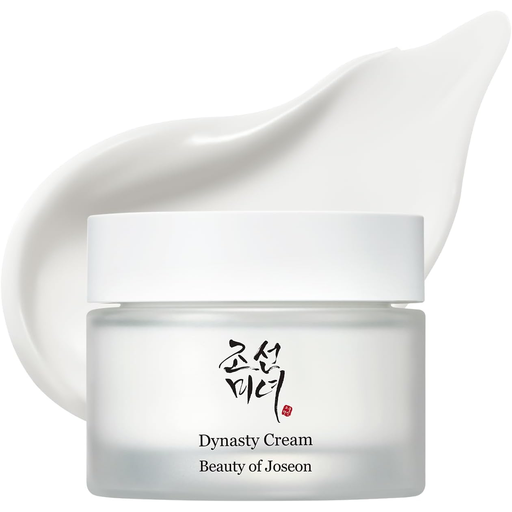
Why it suits this profile: This Korean face cream is ideal for users who prefer a creamy formula and a glowy finish to a matte appearance.
The ingredients list and product details make the texture and composition easy to verify, including glycerine, niacinamide, panthenol, squalane and sodium hyaluronate.
Creamy formula; niacinamide, panthenol and sodium hyaluronate are listed among the stated ingredients.

Why it suits this profile: The formula is designed for a routine in which barrier-supporting ingredients matter more than an especially lightweight texture.
You can base your choice on the full ingredients list, which includes ceramides, cholesterol, panthenol and several forms of hyaluronic acid.
80 ml contents; contains ceramide NP, NS, AP, AS and EOP, plus sodium hyaluronate.
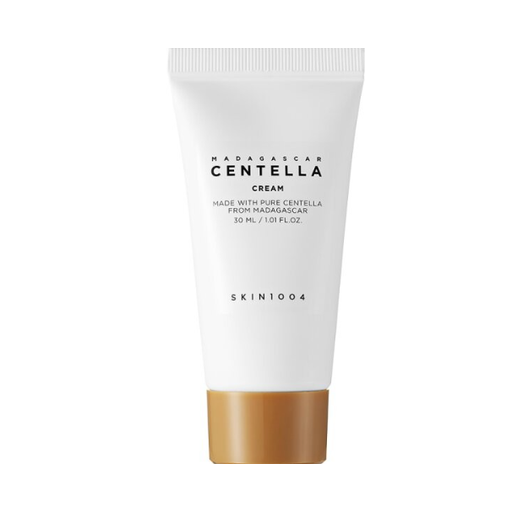
Why it suits this profile: The product description positions this lightweight cream for normal and sensitive skin, and for use under make-up or sunscreen.
The choice is based on texture and the stated ingredients, not just the term “soothing”. Always check the current packaging if you have sensitive skin.
Centella Asiatica, panthenol and TECA are listed in the product description; the formula is described as lightweight and fast-absorbing.
We have put together a complete, up-to-date list of products that fully meet these strict selection criteria and the applicable European safety regulations.
For most routines, once in the morning and once in the evening is practical. Apply the cream to cleansed skin. During the day, follow with sunscreen. If your skin feels oily, use less product or apply it only to dry areas.
Check the expiry date and any period-after-opening information on the packaging. Store the cream in a cool, dry place away from direct sunlight, and close the jar or tube securely. Has the scent, colour or texture changed? It is best not to use the product any longer.
Look for a short, easy-to-understand ingredients list and watch out for fragrance, essential oils and known allergens. A cream for sensitive skin should above all feel comfortable; a product claim alone is no guarantee. Test a new formula on a small area of skin first and stop using it if irritation occurs.
