
Vandaag of morgen in huis

Kwaliteit gegarandeerd

Welkomstaanbiedingen ontgrendelen: GRATIS bezorging | Tot 80% korting | Gratis 30 dagen JoyPlus-proefperiode
Download de app
Buying a face cream seems simple, until you have to choose between a hydrating face cream, an anti-ageing face cream, a vitamin C cream or a Korean skincare cream. Marketing copy often promises a more even complexion, firmer skin and less visible fine lines. But an impressive claim means little if the formula doesn’t suit your skin type or daily routine.
More ingredients don’t automatically mean a cream will suit your skin better. First, look at the ingredients that are relevant to you. Glycerine, hyaluronic acid, panthenol and squalane are often used for hydration. Niacinamide can be a good fit for routines aimed at uneven skin tone and a compromised skin barrier. A retinol cream or AHA formula, on the other hand, should be introduced gradually.
A face cream with SPF can be practical, but the level of protection matters. According to the product information, the NIVEA VITAL Soy Anti-Aging Protective Day Cream contains SPF 30. This makes it suitable for everyday use when you also want to protect your skin from UV rays. For prolonged exposure to the sun, you may need a separate sunscreen with an appropriate level of protection.
Terms such as ‘brightening’, ‘firming’ and ‘anti-ageing’ usually describe what a formula is designed to do, not a guaranteed result for every user. According to NIVEA’s own research, the product mentioned is claimed to improve skin elasticity within one week and visibly reduce deep wrinkles after two weeks. These results won’t necessarily apply to every skin type.
Daily sun protection is also important when using a cream for pigmentation. Pigmentation can have various causes, and a cosmetic product is no substitute for an assessment by a doctor or dermatologist.
Dry skin often benefits from a richer cream containing ingredients such as oils, ceramides or shea butter. Oily or blemish-prone skin may feel more comfortable with a lightweight gel cream or a non-greasy texture. For sensitive skin, a short ingredients list and a fragrance-free formula are often sensible things to look for.
Also consider how it feels to use:
Don’t use several potent ingredients at once without a plan. A niacinamide cream is generally easy to add to a daily routine. A vitamin C cream is often chosen to address dull-looking skin and uneven skin tone. According to the product description, Medicube Deep Vita C Capsule Cream contains 5% niacinamide, vitamin C derivatives and a two-part formula that you mix before use.
A retinol cream calls for extra care. Retinol can increase sensitivity to sunlight. According to the directions, SOME BY MI Retinol Bakuchiol Dual Cream should be introduced gradually: start by using it every other evening and apply sun protection during the day. A patch test is a good idea, especially if you have sensitive skin.
A 50 ml jar and a 50 ml tube contain the same amount, but a tube often limits contact with air and fingers. Always check the best-before date, batch information and period after opening on the packaging. Store your cream according to the instructions, usually in a cool place away from direct sunlight.
Also look out for fragrance and essential oils. A product may be described as suitable for all skin types, but individual sensitivities are still possible. Stop using it if irritation occurs, and check the full ingredients list before you buy.
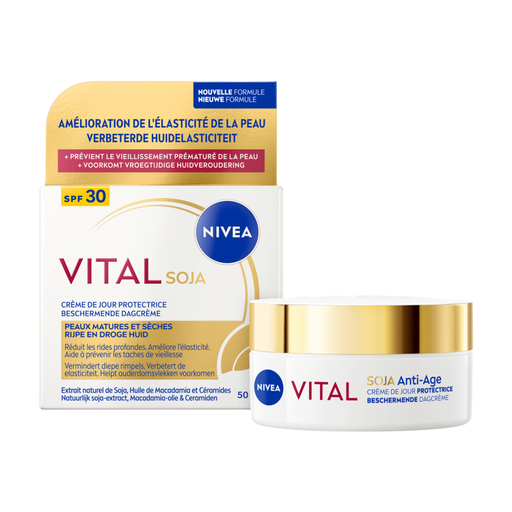
Why it suits this user: This day cream combines everyday skincare with SPF 30 and is designed for mature skin. It’s a practical choice if you want to start with a single morning product.
SPF 30 is clearly stated in the product information, so you don’t have to rely solely on a general anti-ageing claim.
50 ml, SPF 30, ceramide NP, soya extract and macadamia oil, according to the product description.
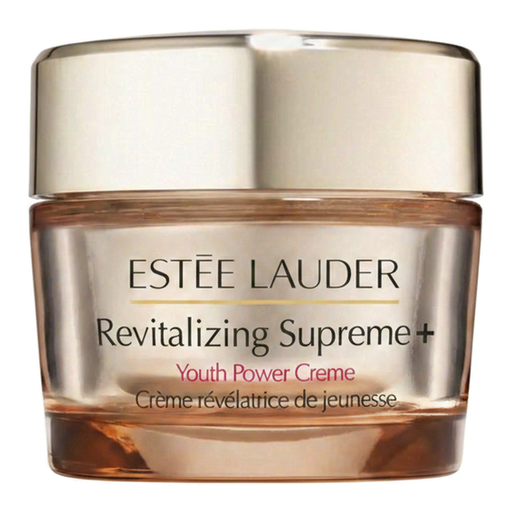
Why it suits this user: If you value a rich formula and a product with multiple skincare benefits, this cream could be worth considering for the daily care of mature skin.
The product information lists specific ingredients and a size of 50 ml, rather than relying on a general product promise.
Hyaluronic acid, cactus stem cell extract and hibiscus extract are listed; according to the brand’s own research, users reported firmer-looking skin.
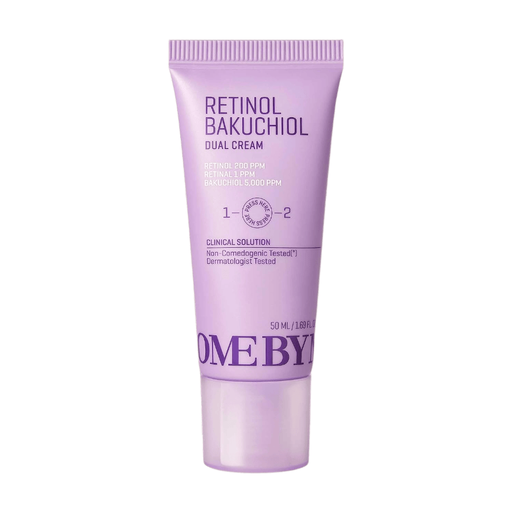
Why it suits this user: This cream is a good fit for anyone looking to build a retinol routine carefully and willing to follow the directions closely.
The directions advise introducing it gradually, doing a patch test and using sun protection every day. This makes it clearer how to use than a vague anti-ageing claim would.
Contains retinol, retinal, niacinamide, ceramide NP and bakuchiol in separate formulas within one product.
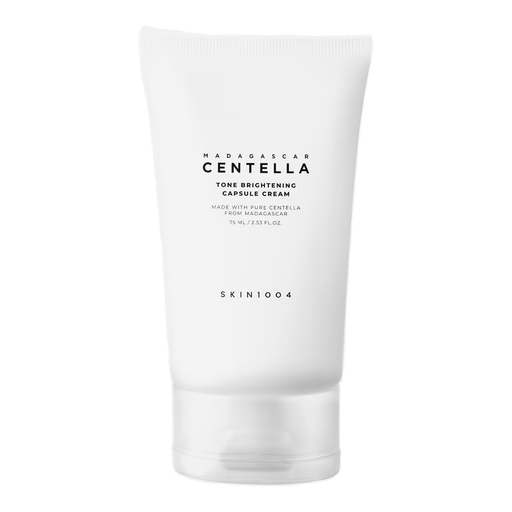
Why it suits this user: This lightweight gel cream is designed for anyone looking for hydration and a more even-looking complexion without a heavy feel on the skin.
The product information specifies a fragrance-free and alcohol-free formula, as well as the stated concentrations of centella asiatica, niacinamide and tranexamic acid.
75 ml, gel texture, centella asiatica extract, niacinamide and panthenol, according to the product specifications.
We’ve put together a complete, up-to-date list of products that meet these strict selection criteria and current European safety requirements.
Choose a hydrating face cream with ingredients such as glycerine, hyaluronic acid, panthenol, ceramides or squalane. A richer texture can feel soothing when your skin feels tight. If you’re prone to reactions, test a new product on a small area of skin first.
That depends on the formula. A night face cream may be richer and feel comfortable on dry skin, but it won’t always contain UV filters. During the day, use a face cream with SPF or a separate sunscreen.
Check the date and the period-after-opening symbol on the packaging. Keep the cream tightly closed and away from direct sunlight. Has its smell, colour or texture changed? Don’t use it, even if the stated period hasn’t yet passed.
