
Vandaag of morgen in huis

Kwaliteit gegarandeerd

Welkomstaanbiedingen ontgrendelen: GRATIS bezorging | Tot 80% korting | Gratis 30 dagen JoyPlus-proefperiode
Download de app
Choosing the right face cream seems straightforward—until you compare ingredient lists, marketing claims and different skin types. Are you looking for a hydrating face cream, an anti-ageing face cream or a product for a more even complexion? The key is finding the right balance between the formula, your skin’s needs and your daily routine.
Don’t focus solely on terms such as “glow”, “lifting” or “brightening”. On their own, these claims reveal little about a product’s composition or suitability for your skin. As a Joybuy Product Recommendation Officer, I’ve outlined the most important points to check, along with several popular choices for 2026.
A cream containing numerous active ingredients is not automatically the best choice. Niacinamide, vitamin C, tranexamic acid, retinol, AHA and BHA each have a different role in skincare. A formula containing multiple actives may also feel less comfortable if your skin is prone to reacting.
Always check:
Brands may publish results from their own research or make product claims. According to 111SKIN’s own research, for example, the Celestial Black Diamond Cream may visibly affect wrinkles and elasticity within four weeks. This is a brand claim, not a guarantee for every user.
Terms such as “for pigmentation” or “instant lifting” should also be interpreted carefully. A face cream can care for the skin and help support the appearance of a dull or uneven complexion, but results vary from person to person. If skin concerns persist, consulting a GP or dermatologist is wiser than continually switching to stronger cosmetic products.
A day cream with SPF can be convenient, but check the stated protection level and usage instructions. Applying a thin layer may not provide the same protection as the amount used during SPF testing. If you spend a lot of time outdoors, swim or perspire, you will generally need a separate sunscreen product.
For dry or mature skin, a richer cream containing ingredients such as glycerine, shea butter, squalane or ceramides is often a sensible choice. A gel cream usually feels lighter and may be more comfortable for combination or oilier skin.
Do you have sensitive skin? Look for a cream for sensitive skin without fragrance and assess the remaining ingredients as well. “Dermatologically tested” does not mean irritation is impossible. Test a new product on a small area of skin first and discontinue use if you experience redness, itching or a burning sensation.
Don’t compare only the price of a jar or tube; the volume matters too. A difference between 40, 50, 60 or 75 ml can be significant. Check the expiry information and the PAO symbol on the packaging. Unless the label states otherwise, apply a small amount as the final step in your routine.
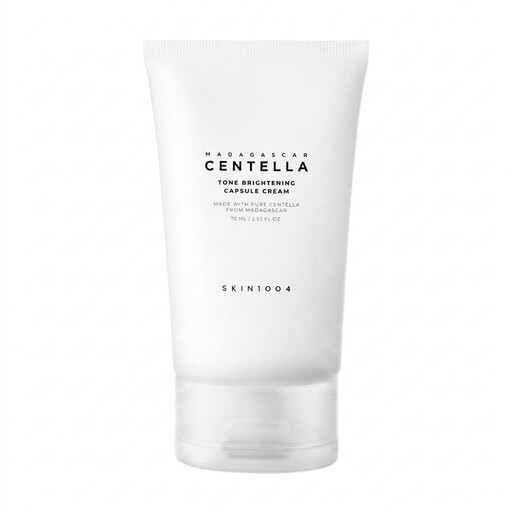
Why it suits this profile: A daily Korean skincare cream with a lightweight gel texture for anyone seeking one versatile moisturiser for hydration and a more even-looking complexion.
The product description highlights a fast-absorbing gel cream and a 75 ml size. Always check the current ingredient list and monitor how your own skin responds.
According to the product information, it contains centella asiatica, niacinamide, tranexamic acid and bisabolol.
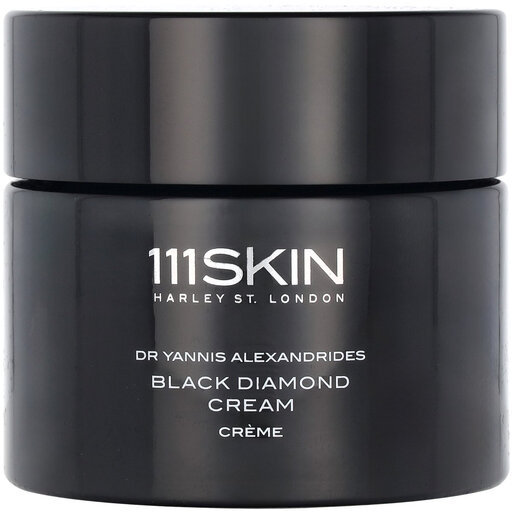
Why it suits this profile: A rich cream for users seeking a luxurious texture and intensive care for the face, neck and décolleté.
The cream is described as having a velvety, rich formula. The wrinkle and elasticity results come from 111SKIN’s own research and should not be viewed as a guaranteed outcome.
According to the product information, it is suitable for all skin types, including mature skin, and contains peptides plus extracts of Jericho rose and immortelle.
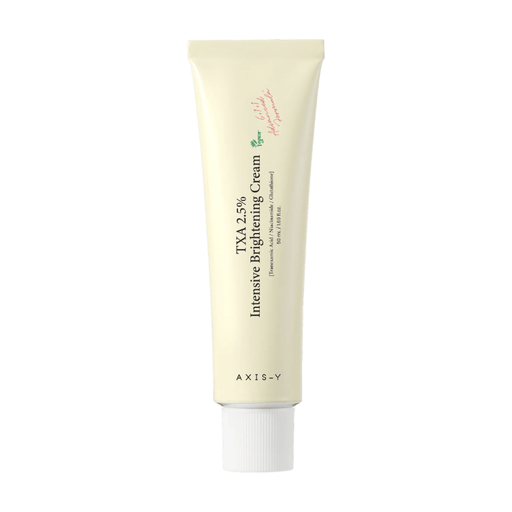
Why it suits this profile: Suitable for anyone specifically looking for a face cream for pigmentation and an uneven complexion, without opting for an ultra-light gel texture.
The percentage of tranexamic acid appears in the product name and ingredient information. This makes comparison easier than relying solely on a general brightening claim.
According to the stated ingredient list, it contains 2.5% tranexamic acid, niacinamide, panthenol, ceramide NP and several forms of hyaluronic acid.
Start by choosing one primary goal. For everyday hydration, a simple hydrating face cream may be all you need. For dull skin, consider a brightening cream containing niacinamide or vitamin C. If comfort is your priority for dry, mature skin, look for a richer texture and ingredients that support the skin barrier.
Avoid introducing several new active products at the same time. Otherwise, it becomes difficult to identify which product may be causing a reaction. A simple routine consists of cleansing, optionally applying a serum, using face cream and applying sun protection during the day. For oily or blemish-prone skin, a lightweight, non-greasy formula may feel more comfortable; sensitive skin often benefits from fragrance-free options.
Browse a current selection of face creams and compare formulas, skin types, textures and product sizes before placing your order.
Look for a concise ingredient list and, ideally, avoid fragrance and essential oils if your skin is prone to reacting to them. A formula containing hydrating ingredients such as glycerine, panthenol or ceramides may be a practical choice. Always test a new product on a small area first.
According to the product description, a cosmetic cream may help create a more even-looking complexion. This is not the same as removing pigmentation. Results vary from person to person. Use sun protection during the day, as UV exposure can make pigmentation more visible.
This depends on the product size, the amount used each time and how often you apply the cream. A 50 ml product will often last anywhere from several weeks to a few months with daily use. Always check the expiry date and the PAO symbol on the packaging.
