
Vandaag of morgen in huis

Kwaliteit gegarandeerd

Welkomstaanbiedingen ontgrendelen: GRATIS bezorging | Tot 80% korting | Gratis 30 dagen JoyPlus-proefperiode
Download de app
Finding a good face cream may seem straightforward, but the range of options makes comparing products difficult. One package promises a stronger skin barrier, while another claims to deliver a youthful appearance or long-lasting hydration. Yet an eye-catching claim means little if the texture does not suit your skin or if you overlook important ingredients.
If you are looking for the best face cream, it is therefore worth recognising three common pitfalls first:
A hydrating face cream often contains glycerine, betaine, panthenol, hyaluronic acid or sodium hyaluronate. According to the product description, these ingredients help attract or retain moisture. For a skin barrier cream, you will also often see ceramides, cholesterol, squalane or fatty acids on the ingredients list.
Do not focus on just one popular ingredient. The overall formula determines how a facial moisturiser feels on your skin. For example, a cream containing several forms of hyaluronic acid may provide lightweight hydration, while oils and butters create a richer skin feel.
A 50 ml jar and a 100 ml tube cannot be compared directly by price. Divide the price by the quantity instead. Also check the shelf-life information on the packaging and follow the manufacturer’s instructions.
Apply face cream after cleansing and using any serums. Start with a small amount. When trying a new product, a patch test is advisable, particularly if you have sensitive or blemish-prone skin. Stop using the product if irritation occurs and consult a doctor or dermatologist if symptoms persist.
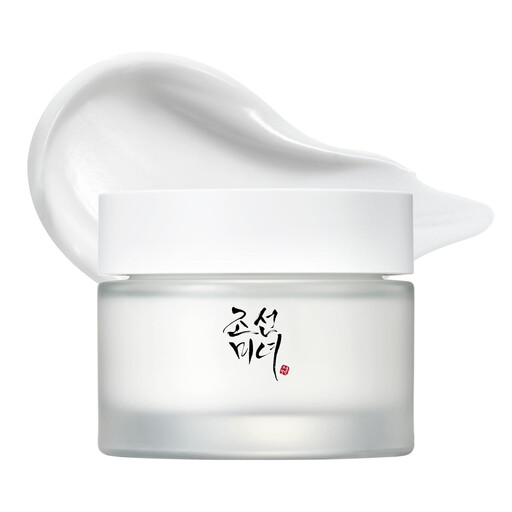
Why it suits this profile: A straightforward introduction for anyone wanting to try Korean skincare without putting together an extensive routine straight away.
The product information states that it has a fragrance-free formula and lists glycerine, niacinamide, panthenol and sodium hyaluronate, among other ingredients.
50 ml content, a creamy texture and an ingredients list featuring hydrating and barrier-supporting components.

Why it suits this profile: A practical choice for everyday use or as a richer night cream for dry, normal or mature skin.
The product description specifies five types of hyaluronic acid and also lists argan oil, apricot kernel oil, panthenol and ceramide NP.
100 ml content and a gel-cream texture that, according to the product information, absorbs quickly.
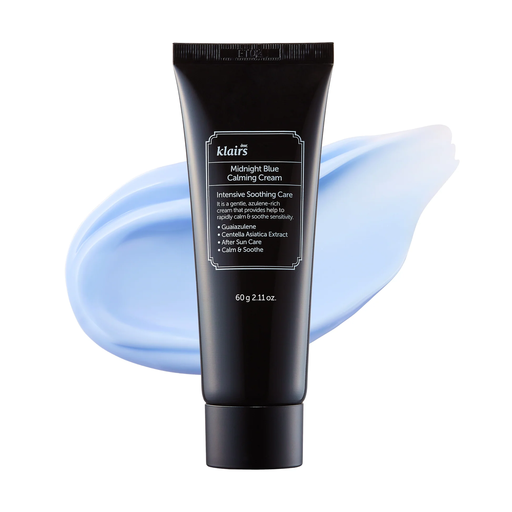
Why it suits this profile: A good option for anyone looking for a lightweight, fragrance-free evening cream and wanting to check the formula carefully beforehand.
The product information states that it has a fragrance-free formula containing centella asiatica, niacinamide, ceramide NP and guaiazulene.
60 g content, a gel texture and ingredients suited to a simple, barrier-focused routine.
We have put together a complete, up-to-date list of products that fully meet these strict selection criteria and the applicable European safety regulations.
Look for a richer formula containing glycerine, panthenol, ceramides, hyaluronic acid, squalane or oils. A gel cream can feel comfortable during the day, while a fuller cream may be better suited to dry skin in the evening. Apply the cream to slightly damp skin to help maintain a comfortable skin feel.
Check the complete ingredients list and, preferably, choose a formula without fragrance and without a high concentration of essential oils. Test a small amount on a limited area of skin first. A cream for redness is not a medical treatment; if redness, itching or swelling persists, it is advisable to seek professional advice.
Choose a lightweight formula and look for the term “non-comedogenic” if it appears on the packaging. This remains a product claim and is not a guarantee for every skin type. Apply a cream for blemish-prone skin gently to cleansed skin, and do not introduce several new active products at the same time. Products containing acids or vitamin C may come with additional instructions and warnings, so always follow the label.
