
Vandaag of morgen in huis

Kwaliteit gegarandeerd

Welkomstaanbiedingen ontgrendelen: GRATIS bezorging | Tot 80% korting | Gratis 30 dagen JoyPlus-proefperiode
Download de app
A face cream may seem simple to choose, but you often only notice a poor match after a few days. The cream may feel too greasy, pill beneath make-up or simply fail to provide enough comfort for dry skin. Even popular Korean face creams sometimes promise more than the ingredients list can support.
If you are looking for a moisturiser for your face, it is therefore worth considering the formula, texture and intended use first. Below, we explain what to look for and which popular choices suit different skin needs.
Words such as “repairing”, “lifting”, “radiant” and “anti-ageing” sound appealing, but mean very little on their own. Instead, look at verifiable product details such as the ingredients list, product size, directions for use and stated skin types.
When a brand makes a claim about a product’s effects, it is the brand’s own claim. For example, the brand’s product information states that the Ceramide Skin Barrier Moisturiser has been clinically tested as hypoallergenic and non-comedogenic, among other things. This does not guarantee that every skin type will react in the same way. Always check the current packaging and stop using the product if irritation occurs.
Dry skin often benefits from a richer cream containing ingredients such as glycerine, shea butter, oils or squalane. Oily skin may respond more comfortably to a gel cream with a lighter finish. However, your routine also plays a role. In winter, after cleansing or when your skin barrier feels compromised, a richer product may be preferable, even if your skin is normally combination.
“Sensitive skin” does not automatically mean that a product is free from potential irritants. Dear Klairs Rich Moist Soothing Cream, for example, contains essential oils including lavender, lemon and eucalyptus oil, and lists the associated fragrance allergens. If you react to these ingredients, you may prefer a fragrance-free formula.
Also look out for allergies to bee products, lanolin, nut oils or botanical extracts, among other things. Testing a small amount on a limited area of skin may be sensible. Do not use face cream on damaged skin and avoid contact with the eyes.
A hydrating face cream often contains humectants such as glycerine, betaine or hyaluronic acid. These ingredients help retain moisture in the formula and on the skin’s surface. For a skin barrier cream, you can also look for ceramides, cholesterol, fatty acids, panthenol and squalane.
According to the ingredients list provided, The Ceramide Skin Barrier Moisturiser contains several ceramides, cholesterol, panthenol, squalane and various forms of hyaluronic acid. This makes the formula an interesting option for anyone primarily looking for a supportive, richer moisturiser.
A rich cream is not automatically more suitable for dry skin, and a gel is not automatically right for every oily skin type. Consider how you intend to use the product:
If you are mainly looking for evening skincare, you can also browse the face night cream range.
Niacinamide, tranexamic acid, vitamin C derivatives and retinol are often found in creams focused on pigmentation, a more even-looking complexion or mature skin. However, the presence of an ingredient does not guarantee a particular result.
An anti-ageing face cream containing retinol requires extra care. According to the product information, The Retinol 0.1 Cream contains 0.1% retinol. Introduce it gradually, follow the directions on the packaging and use sun protection during the day. If irritation persists, seeking professional advice is recommended.
The selection below is based on product type, texture, ingredients, contents and the skin needs mentioned in the product information.

Why it suits this profile: The gel texture is an accessible choice for anyone looking for a lightweight moisturiser without a heavy cream feel. The product information states that the formula is suitable for oily and combination skin.
The lightweight texture prevents you from automatically choosing a rich cream when your skin is prone to shine.
100 ml of product, a gel cream texture and a product description that mentions hydration and pore care.
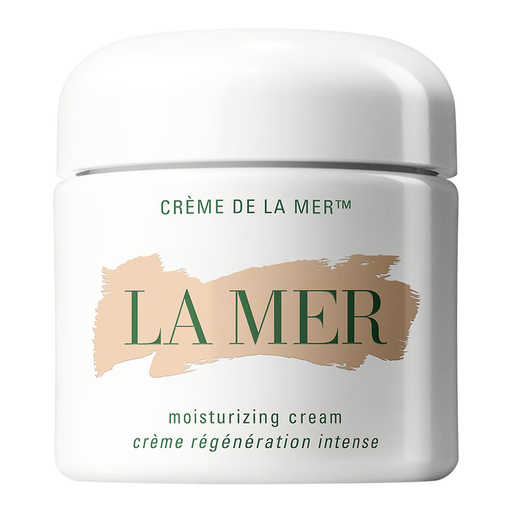
Why it suits this profile: Anyone deliberately choosing a rich cream with a luxury positioning will find a nourishing formula for dry skin here. The product contains 100 ml.
The ingredients list is available, allowing you to check for mineral oil, petrolatum, lanolin alcohol and eucalyptus oil, among other ingredients.
Rich cream for dry skin, 100 ml of product and a spatula included according to the directions for use.
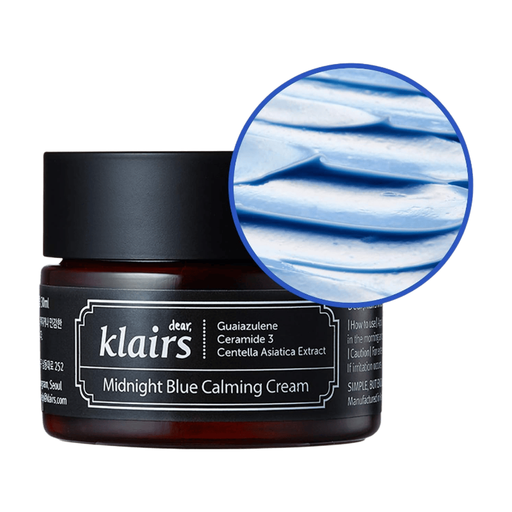
Why it suits this profile: According to the directions for use, this targeted soothing face cream is intended as the final evening step for sensitive areas. The formula contains centella asiatica, ceramide NP and guaiazulene, among other ingredients.
You apply a small amount locally instead of covering your entire face with a heavy cream.
30 ml, a fragrance-free product description and ingredients suited to targeted evening care.
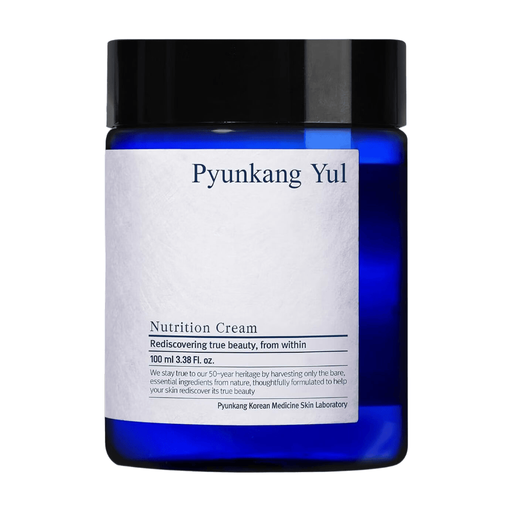
Why it suits this profile: According to the ingredients list, this rich moisturiser contains shea butter, jojoba oil, macadamia oil and sodium hyaluronate, among other ingredients. The product information states that it has a fragrance-free formula.
The product details make the texture and key ingredients clear, so you do not have to rely solely on the word “intensive”.
100 ml of product, a rich formula and no fragrance according to the product description.
We have compiled a complete, up-to-date list of products that fully meet these strict selection criteria and the applicable European safety regulations.
Usually, you apply face cream after cleansing and, if applicable, after toner or serum. Many products are suitable for morning and evening use, but always follow the instructions on the packaging. Use sun protection during the day when using active ingredients such as retinol or certain ingredients designed to address pigmentation.
Shelf life varies from product to product. Check the expiry date, batch information and the symbol showing the period after opening. Store the cream in a cool, dry place away from direct sunlight. If the scent, colour or texture changes noticeably, stop using the product.
Look for a short, straightforward ingredients list and avoid substances you have reacted to in the past. A fragrance-free cream can be a practical starting point, but botanical ingredients and essential oils can also cause sensitivity. Test a new product on a small area of skin first and stop using it if irritation occurs.
