
Vandaag of morgen in huis

Kwaliteit gegarandeerd

Welkomstaanbiedingen ontgrendelen: GRATIS bezorging | Tot 80% korting | Gratis 30 dagen JoyPlus-proefperiode
Download de app
Buying a face cream seems simple until you have to choose between a moisturising face cream, a nourishing cream, a gel texture or a product with retinol. Marketing copy often focuses on a glowy finish, long-lasting hydration or firmer-looking skin. But promises like these mean little if the texture doesn’t suit your skin type or the ingredients irritate your skin.
Use this practical guide to focus on the things that make a difference in everyday use: skin type, ingredients, texture and when you use it.
A tight feeling doesn’t automatically mean you need a very rich cream. Dry skin often needs humectants, such as glycerine or hyaluronic acid, alongside ingredients that help lock in moisture. A formula that’s too heavy can feel uncomfortable or pill under make-up.
So, when choosing a cream for dry skin, look for a combination of humectants, emollient oils and barrier-supporting ingredients.
A product description may say that a formula is suitable for sensitive skin, but individual reactions are still possible. Check for fragrance, essential oils and known allergens. Natural ingredients aren’t suitable for everyone either.
Always check the current ingredients list on the packaging. If you’re using a cream for sensitive skin, testing a small amount on a limited area of skin is a sensible precaution.
Ingredients such as retinol, niacinamide, adenosine and peptides are often used in anti-ageing face creams. According to a brand’s own research or product information, these ingredients may help skin look smoother or firmer. That doesn’t guarantee a particular result.
Take it slowly when introducing active ingredients, use sun protection during the day and stop if irritation persists. A retinol product may not be the right choice if your main concerns are dehydration or sensitivity.
A moisturiser usually works through a combination of different types of ingredients:
Don’t focus on just one popular ingredient. The overall formula, its concentration and how your skin responds matter more than a bold claim on the front of the pack.
A gel-cream, such as Clinique Moisture Surge, may feel comfortable on combination or oilier skin that needs moisture but doesn’t want a heavy layer. A richer cream, such as Pyunkang Yul Nutrition Cream, is more likely to suit dry or mature skin that needs nourishing ingredients.
You don’t always need separate day and night creams. A lightweight formula is practical during the day, while a richer cream may feel more comfortable in the evening. Also consider how it works under sun cream and make-up.
Don’t compare just the price of a jar or tube. Check the size, for example 30 ml, 50 ml, 80 ml or 100 ml, and how much product you use each time. Check the expiry information and the period-after-opening symbol on the packaging.
A large jar isn’t automatically better value if you use the cream slowly and the packaging is often left open. Wash your hands before use and close the packaging securely.
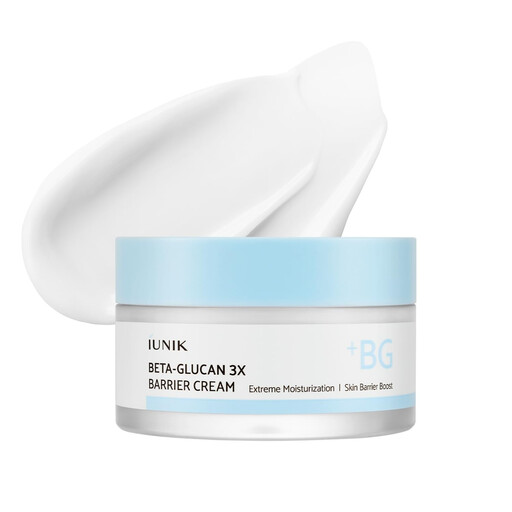
Why it suits this profile: The formula combines beta-glucan, ectoin and panthenol. According to the product description, it’s free from ingredients including fragrance, parabens and sulphates. This makes it a straightforward choice if you’re looking for a moisturising face cream without lots of extras.
The texture is described as rich but fast-absorbing. Check that it doesn’t feel too heavy on your skin.
50 ml; beta-glucan, ectoin and panthenol; suitable for daily use according to the product information.
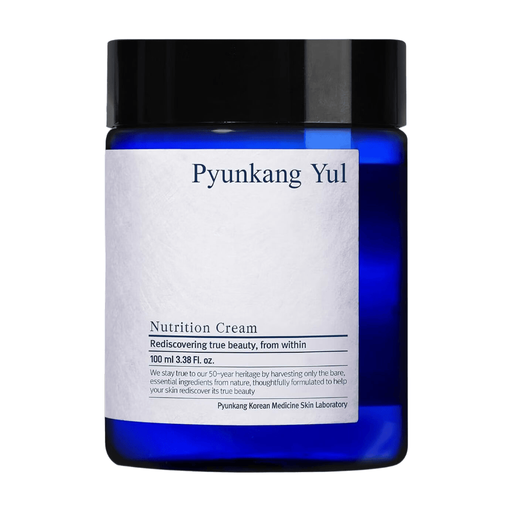
Why it suits this profile: This Korean skincare cream is designed for mature and demanding skin. The product description lists astragalus root extract, shea butter, jojoba oil and a fragrance-free formula.
Its fragrance-free positioning means there’s no added fragrance. However, the rich texture is less suitable if you’re looking for a lightweight gel-cream.
100 ml; nourishing oils and shea butter; suitable as the final step in your morning and evening routines according to the product information.

Why it suits this profile: According to the product information, this gel-cream is alcohol-free, fragrance-free and non-comedogenic. Its texture may suit you if you want hydration without a heavy finish.
The lightweight texture helps avoid a greasy feel. Very dry skin may need an additional, richer cream.
30 ml; gel-cream texture; suitable for several skin types according to the product information.
We’ve put together a complete, up-to-date list of products that meet these strict selection criteria and the applicable European safety regulations.
For most skincare routines, applying cream after cleansing is enough, usually in the morning and evening. Use a small amount and spread it over your face and, if you like, your neck. During the day, sun protection should be the final step if your skincare routine calls for it.
Check the expiry date and the period-after-opening symbol on the packaging. Store the cream somewhere cool and dry, away from direct sunlight. Has the scent, colour or texture changed? Don’t use the product.
If possible, choose a formula with few potentially irritating extras and check whether it contains fragrance or essential oils. A cream for sensitive skin can still cause a reaction. Test a small amount first and follow the manufacturer’s safety instructions.
