
Vandaag of morgen in huis

Kwaliteit gegarandeerd

Welkomstaanbiedingen ontgrendelen: GRATIS bezorging | Tot 80% korting | Gratis 30 dagen JoyPlus-proefperiode
Download de app
Buying a new face cream seems straightforward, until you have to choose between a moisturising face cream, gel cream, night cream or a formula for sensitive skin. A product may feel pleasant, but still not suit your skin type or daily routine.
So look beyond terms such as “intensive”, “repairing” or “long-lasting”. These three pitfalls are particularly common:
A facial gel cream usually feels light and absorbs quickly. This can be comfortable for normal, combination, oily or acne-prone skin, especially during the day or under sunscreen.
A richer cream containing ingredients such as shea butter, oils, squalane or ceramides is often a better fit for face cream for dry skin. If your skin feels tight or flaky, or your skin barrier is dry, you may benefit from a formula that attracts moisture and helps reduce moisture loss.
It’s also worth knowing the difference between “hydrating” and “nourishing”. Ingredients such as glycerine, panthenol and hyaluronic acid help the skin retain moisture. Lipids such as ceramides and fatty acids make a formula more nourishing for dry or vulnerable skin.
For a moisturising face cream, these ingredients may be worth looking out for:
According to the brands’ own product information, some products contain several of these ingredients. That doesn’t automatically mean every product will work the same way for everyone. So, test a new soothing face cream on a small area of skin first, and stop using it if redness, itching or swelling persists.
If you react quickly to fragrance, you can look specifically for a fragrance-free face cream. Check the full ingredients list, as a product with a “natural” look may still contain fragrance or essential oils.
It’s also worth comparing the amount in each pack. A 30 ml jar and a 75 ml pack may seem similar at first glance, but they’ll be used at different rates and have a different price per millilitre. Check the packaging for the expiry date and the period after opening. Stop using a cream if its smell, colour or texture changes noticeably.
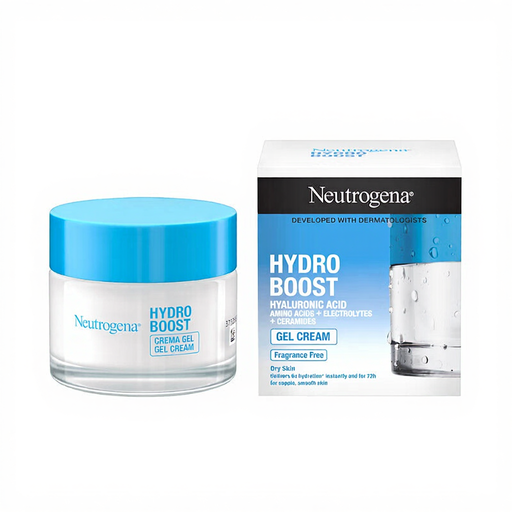
Why it suits this profile: This lightweight gel cream is designed for dry skin and could be a straightforward first step for anyone mainly looking for everyday hydration.
The product description states that it has a fragrance-free formula and a non-greasy texture. PENATEN also claims, in its own product information, that it provides up to 48 hours of hydration; treat this as a brand claim, not a guarantee.
Contains hyaluronic acid and trehalose; 50 ml; gel cream for daytime use.

Why it suits this profile: The oil-free gel texture is designed for people who want a fresh, lightweight finish during the day, under make-up or as an extra mask.
The product details state that the formula is free from alcohol, fragrance, parabens and phthalates. The claim of up to 100 hours of hydration comes from Clinique’s product information.
30 ml gel cream; non-comedogenic according to the product details; stated to suit several skin types.
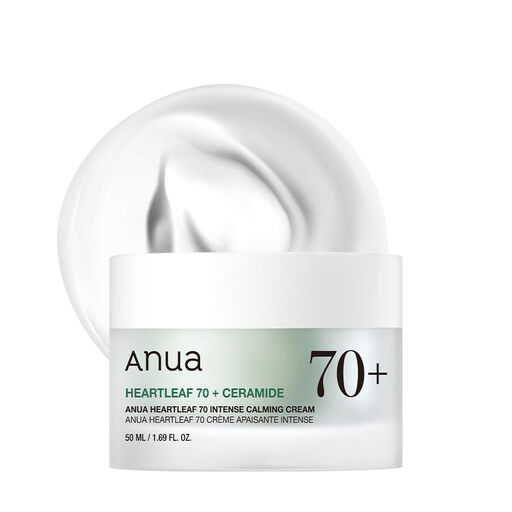
Why it suits this profile: An option for Korean skincare fans looking for a richer, fragrance-free cream with Heartleaf and ingredients aimed at supporting the skin barrier.
The full ingredients list is provided, and the product information states that it is fragrance-free, paraben-free and cruelty-free. This makes it easier to check the formula than relying only on the front of the packaging.
Contains Heartleaf extract, glycerine, panthenol, cholesterol and Ceramide NP; 50 ml.
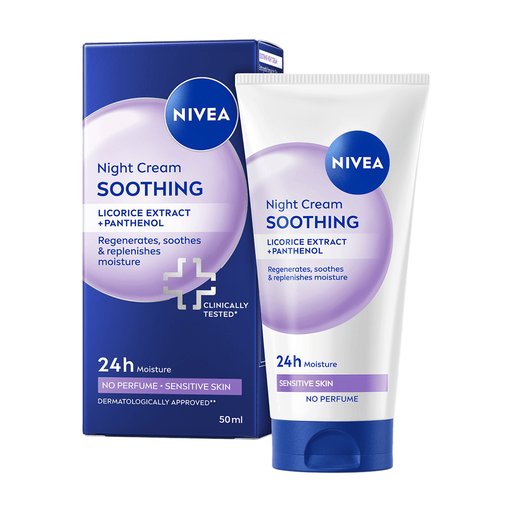
Why it suits this profile: This night cream for sensitive skin is designed for anyone who wants a simple, richer fragrance-free moisturiser in the evening.
The product description states that it has a fragrance-free, pH-neutral formula. Claims about reducing redness, dryness and tightness come from NIVEA’s product information.
Contains glycerine, shea butter, panthenol and liquorice extract; designed for evening use.
Apply the cream to clean skin. A small amount is usually enough; too much product may feel sticky or pill under make-up. Use sunscreen during the day if your routine calls for it. Apply night cream as the final step in your evening routine.
If your skin is damaged or very irritated, it’s best to keep your routine simple. Don’t introduce several new products at once. If symptoms persist, or you experience swelling or a burning sensation, stop using the product and seek medical advice.
We’ve put together a complete, up-to-date list of products that meet these strict selection criteria and comply with current European safety regulations.
For most routines, once in the morning and once in the evening works well. Oily skin may need only a thin layer, while dry skin may sometimes benefit from a richer cream or an extra layer on dry areas.
Follow the expiry date and the period-after-opening symbol on the packaging. Store the cream in a cool, dry place away from direct sunlight, and make sure the packaging is closed properly. If its smell, colour or texture changes, stop using the product.
Look for a simple formula without fragrance and check the full ingredients list. A face cream for sensitive skin containing panthenol, glycerine or ceramides may suit your need for gentle hydration. Always test it on a small area of skin first, as even a fragrance-free formula can cause irritation for some people.
