
Vandaag of morgen in huis

Kwaliteit gegarandeerd

Welkomstaanbiedingen ontgrendelen: GRATIS bezorging | Tot 80% korting | Gratis 30 dagen JoyPlus-proefperiode
Download de app
Buying a face cream seems simple, but the choice can make it difficult to compare products. A rich cream may feel lovely but still be too heavy for combination skin. A product with a standout ingredient isn’t automatically suitable for everyday use. And a high price says little about its texture, ingredients or how well your skin will tolerate it.
The most common pitfalls:
Start by choosing a product that meets your skin’s needs:
Hyaluronic acid and glycerine help your skin feel comfortable and hydrated. A hyaluronic acid cream is particularly worth considering if tightness is your main concern.
For skincare targeting the appearance of fine lines, look for retinol, peptides, niacinamide or bakuchiol. Retinol creams need extra care when it comes to use: follow the label, avoid contact with your eyes and use a sun protection product during the day. A firming cream may be described as helping skin look firmer, but cosmetic results vary from person to person.
If you have sensitive skin, fragrance-free options such as some products from Uriage, Clinique and Dear, Klairs are worth considering. Always check the current packaging, as formulas can change.
Compare more than just the price: the size makes a difference, whether it’s 30, 40, 50, 60 or 100 ml. A tube is hygienic and easy to take with you; a jar can be handy for a rich cream, but you’ll need clean hands or a spatula.
Also check the shelf life and the period after opening. The manufacturer provides this information on the packaging. Stop using a face cream if its scent, colour or texture changes noticeably.
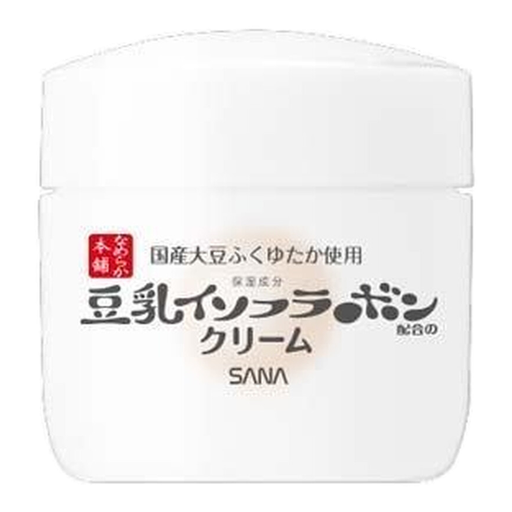
Why it suits this profile: The straightforward directions and compact size make this cream a good first everyday moisturiser, for use both morning and evening.
The product information clearly states that it should be used as the final step in your routine, without a complicated schedule or several active treatments.
50 g; suitable for morning and evening use; the directions say it can be applied in a thicker layer.
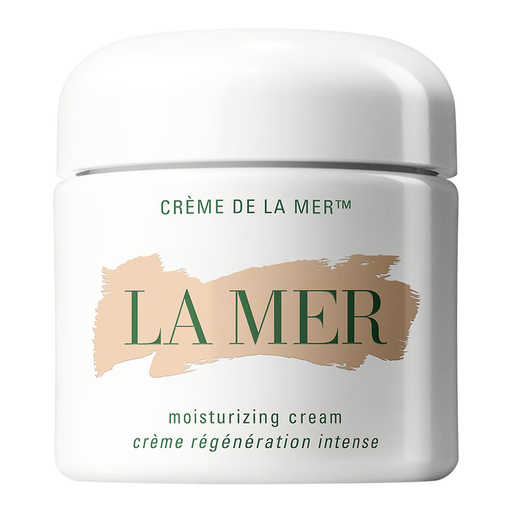
Why it suits this profile: This luxurious face cream has a rich texture and, according to the product information, is designed for dry skin and an intensive skincare routine.
The rich base is clearly described, so you’re less likely to choose a rich cream expecting the texture of a light gel.
100 ml; suitable for dry skin; use the spatula provided, following the product instructions.
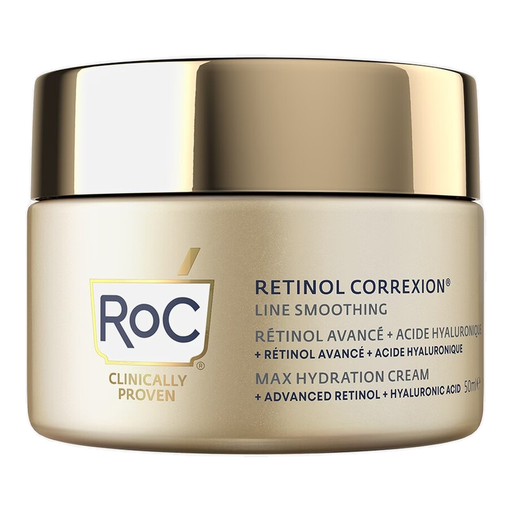
Why it suits this profile: According to the product description, this retinol cream combines pure retinol with hyaluronic acid and is aimed at people looking for an active skincare routine.
The two key ingredients are clearly listed. Be sure to follow the packaging instructions and reduce use if irritation occurs.
50 ml; retinol and hyaluronic acid in one formula; according to the product information, it is designed for the face and all skin types.
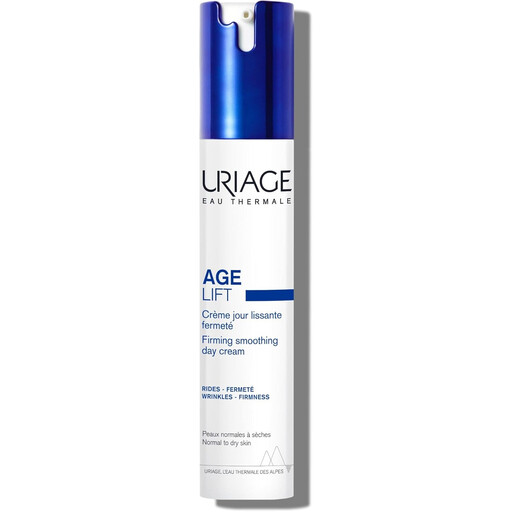
Why it suits this profile: The product details describe a fragrance-free formula for normal, sensitive and dry skin, with shea butter and hyaluronic acid.
You can check the recommended skin types, fragrance-free claim and advice to use it less often if irritation occurs before buying.
40 ml; fragrance-free according to the product details; the formula lists retinol, hyaluronic acid and shea butter.
We’ve put together a complete, up-to-date list of products that meet these strict selection criteria and the applicable European safety regulations.
Most moisturisers are applied to clean skin once or twice a day. Always follow the label. If it suits your routine, apply a sun protection product during the day after your face cream.
Check the expiry date and the period after opening on the packaging. Keep the cream closed, somewhere cool and out of direct sunlight. If its scent, colour or texture changes, stop using it.
Prices vary widely depending on the brand, size, ingredients and packaging. Compare the price per millilitre and check that the formula suits your skin type. A more expensive luxury face cream isn’t automatically a better choice than a simpler moisturising or nourishing face cream.
