
Vandaag of morgen in huis

Kwaliteit gegarandeerd

Welkomstaanbiedingen ontgrendelen: GRATIS bezorging | Tot 80% korting | Gratis 30 dagen JoyPlus-proefperiode
Download de app
A good face cream should suit your skin type, routine and texture preferences. However, it can be difficult to distinguish marketing claims from useful product information. For example, a hydrating face cream may feel lightweight but still provide too little comfort for dry skin. Conversely, a rich moisturiser may feel heavy or look shiny on oily skin.
Below, you’ll find what to look for, which common pitfalls to avoid and which popular options suit different skin profiles.
Ingredients such as hyaluronic acid, ceramides, niacinamide and centella asiatica are popular in skincare. However, their presence alone does not tell the whole story. The overall formula, texture and your skin’s response determine whether a product works comfortably within your routine.
Also consider potential sensitivities. Fragrance, essential oils and certain preservatives may be less suitable for some users. Always check the current ingredients list on the packaging.
Terms such as “24-hour” or “100-hour hydration” are often based on tests conducted by the brand. According to NIVEA’s own research, the “up to 24 hours of hydration” claim is based on an instrumental test involving 32 volunteers. Clinique states that its Moisture Surge formula provides up to 100 hours of hydration. Treat such figures as manufacturer product information, not as a personal guarantee.
The practical question is: does your skin still feel comfortable after several hours, and does the cream fit your morning or evening routine?
Not every cream is intended for the face. According to the product information, Sol de Janeiro Bom Dia Bright Body Cream is a body cream containing fruit acids, vitamin C and fragrance. It is therefore not a face cream. Do not automatically use a body product on your face, especially if your skin is prone to sensitivity.
A gel cream for the face usually absorbs quickly and feels lightweight. This can be particularly pleasant for oily or combination skin, or when you wear makeup. Examples include Clinique Moisture Surge and Beauty of Joseon Red Bean Hydrating Gel Cream.
A richer cream often contains more oils, butters or emollient ingredients. This may be better suited to dry skin, tightness or evening use. However, check that the formula does not feel too heavy for your skin.
Product claims relating to soothing, firming or reducing visible signs of skin ageing come from the brand. Do not interpret them as medical effects. If irritation, eczema or other skin concerns persist, consulting a GP or dermatologist is the more sensible choice.
Do not compare the price alone; consider the amount of product as well. A 100 ml jar may appear better value than a 50 ml tube, but how long it lasts depends on how much you apply. Check the packaging for the expiry date and the period-after-opening symbol, such as 6M or 12M.
If you are concerned about contamination in a jar, a tube or pump dispenser may be more practical. Always use clean hands and close the packaging properly.

Why this profile is a good match: According to the product information, the lightweight gel texture is designed for oily and combination skin and for daily morning and evening use.
You avoid choosing a heavy cream when you are primarily looking for lightweight hydration. Still, check whether the fragrance and ingredients suit your preferences.
100 ml size, gel texture and a product description that specifically mentions oily and combination skin.
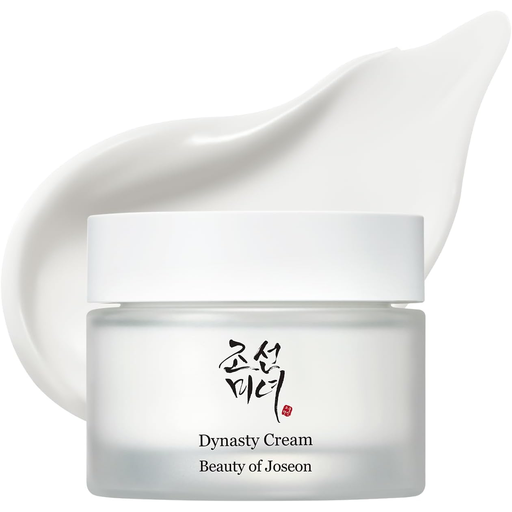
Why this profile is a good match: According to the ingredients list, this Korean face cream contains glycerin, niacinamide, panthenol, sodium hyaluronate and plant extracts, among other ingredients.
The product information describes the formula as rich yet easy to spread. If you have sensitive skin, still check the complete ingredients list.
Niacinamide, hyaluronic acid and a 100 ml size—well suited to anyone seeking several hydrating ingredients in one formula.

Why this profile is a good match: According to the ingredients list, the formula contains ceramides, cholesterol, panthenol, squalane and several forms of hyaluronic acid.
The ingredients are clearly listed, allowing you to check whether the formula aligns with your preferences and allergies.
A clear focus on barrier-supporting ingredients and daily morning and evening use.
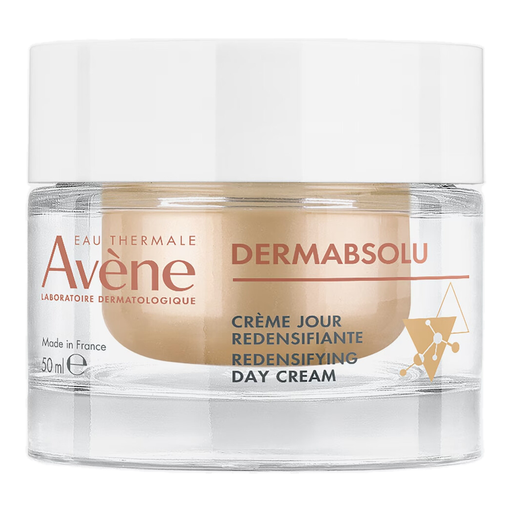
Why this profile is a good match: According to the product description, this anti-ageing face cream is designed for mature skin and for use on the face, neck and décolletage.
The intended user and application are clearly defined. This helps you avoid buying a lightweight gel when what you actually want is a nourishing day cream.
According to the product information, it contains glycerin, shea butter, jojoba oil and bakuchiol, among other ingredients.
Browse a current selection of ready-to-use creams and compare size, texture and ingredients before placing your order.
Apply a small amount to cleansed skin. You can use a serum beforehand, but it is not essential. During the day, also apply a sunscreen with an appropriate level of UV protection. A day cream with SPF 15, such as NIVEA Essentials 5-in-1 BB Cream Light, does not automatically replace a separate sunscreen during prolonged sun exposure.
Test a new product on a small area of skin first. Stop using it if clear irritation occurs, and always check the ingredients if you have allergies.
Look for a richer moisturiser containing ingredients such as glycerin, shea butter, oils, ceramides or hyaluronic acid. Hydrium Moisture Power Enriched Cream and Pyunkang Yul Nutrition Cream are examples whose product information mentions dry or demanding skin.
Fragrance-free products can be a practical choice if you prefer to avoid fragrance, but this does not automatically make a product suitable for everyone. Clinique Moisture Surge, Pyunkang Yul Nutrition Cream and Beauty of Joseon Dynasty Cream are described in the product information as fragrance-free or unscented. Always check the current packaging and carry out a patch test if in doubt.
This varies from product to product. Check the expiry date and the period-after-opening symbol. Store the cream in a cool, dry place away from direct sunlight. A change in smell, colour or texture is a reason to stop using the product.
