
Vandaag of morgen in huis

Kwaliteit gegarandeerd

Welkomstaanbiedingen ontgrendelen: GRATIS bezorging | Tot 80% korting | Gratis 30 dagen JoyPlus-proefperiode
Download de app
Buying a face cream seems simple until you have to choose between a hydrating face cream, facial day cream, barrier-repair cream or anti-ageing cream. Many packages promise soft, smooth and younger-looking skin. However, a striking claim means little if the texture does not suit your skin or if you combine the ingredients incorrectly.
When making your choice, pay particular attention to these three common pitfalls:
A moisturiser generally works with a combination of ingredients that attract and retain moisture or help the skin feel comfortable. Glycerine, panthenol, betaine and hyaluronic acid are commonly found in formulas for everyday hydration.
A cream with hyaluronic acid may be suitable if your main concern is dehydrated or tight-feeling skin. However, check the complete formula: a hydrating ingredient tells you nothing about the cream’s thickness, fragrance or suitability for your skin.
For a face cream for dry or sensitive skin, ceramides, fatty acids, cholesterol, squalane and panthenol are relevant ingredients to look out for. Ceramides are skin-identical lipids used in many barrier-focused formulas.
A cream with ceramides may be a sensible choice for dry, tight-feeling skin or if your routine already contains several active products. Brand product descriptions may refer to “repair” or “strengthening”. Treat this as the brand’s product claim, and also pay attention to the ingredients list and your own skin’s response.
An anti-ageing cream may contain retinol, glycolic acid, peptides, adenosine or vitamin-like ingredients. These substances have different functions within a cosmetic formula. They are not interchangeable and do not all require the same approach.
With retinol, it is important to build up usage gradually. the brand’s product information advises using a small amount of the Retinol 0.1 Cream no more than a few times a week initially. Products containing AHA, BHA or PHA may make the skin more sensitive to sunlight. During the day, therefore, use suitable sun protection and always follow the instructions on the packaging.
Also check for fragrance and essential oils. These are not problematic for everyone, but they may be less comfortable for sensitive skin. A patch test on a small area of skin can give you an initial indication of how well the product is tolerated.
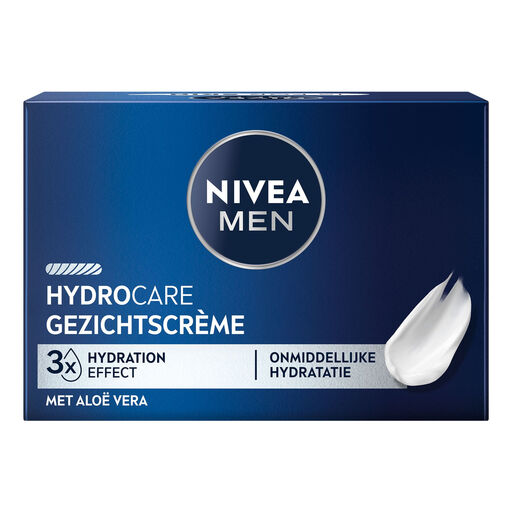
Why it suits this profile: The formula is designed for daily use on normal and dry skin. The cream contains glycerine, panthenol, aloe vera and shea butter, among other ingredients.
The ingredients list makes the basis of the hydration easy to check. The product description also states that it has a fast-absorbing, non-greasy texture.
50 ml; suitable for normal and dry skin; contains glycerine and panthenol; fragrance is present according to the product information.
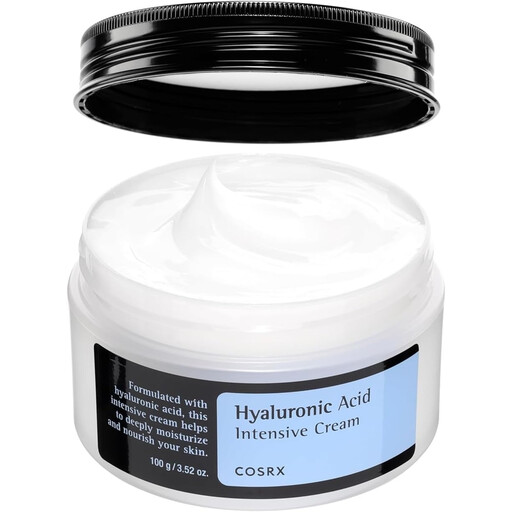
Why it suits this profile: This Korean skincare cream is designed for dehydrated skin and, with 100 grams, offers a generous amount for daily use.
The formula lists glycerine, betaine and sodium hyaluronate. This means you can base your choice on specific moisture-binding ingredients rather than just the wording on the packaging.
100 g; contains sodium hyaluronate, glycerine and allantoin; suitable as a hydrating layer in an extensive routine.
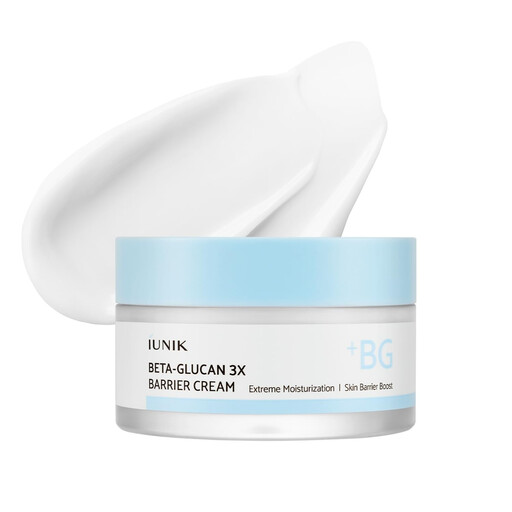
Why it suits this profile: The combination of beta-glucan, ectoin and panthenol suits users looking for a barrier-repair cream for dry or sensitive skin.
The product information describes a non-sticky, fast-absorbing texture and states that the formula is free from synthetic fragrance.
50 ml; contains 10,000 ppm beta-glucan according to the product information; also contains ectoin and panthenol.
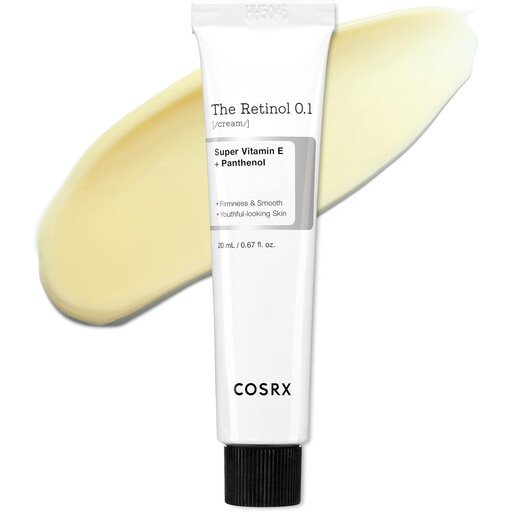
Why it suits this profile: According to the product information, this cream is aimed at retinol beginners and contains 0.1% retinol, as well as panthenol and adenosine.
The usage advice emphasises building up gradually. This helps prevent you from using an active cream every day straight away without knowing how your skin will respond.
20 ml; 0.1% retinol according to the product information; usage advice of no more than three times a week when starting.
We have compiled a complete, up-to-date list of products that fully meet these strict selection criteria and the applicable European safety regulations.
Apply face cream to cleansed skin. A thin layer is usually sufficient; applying more does not automatically provide more hydration. During the day, use a separate sunscreen if your day cream does not offer suitable SPF protection. An SPF 15 in a product also does not mean that it can replace every part of your sun protection routine.
Pay attention to the expiry information and batch code on the packaging. Ingredients may change between production batches or markets. The physical packaging is therefore the final source for the current ingredients list and directions for use.
For everyday hydration, you can usually apply face cream in the morning and, if required, in the evening. When using retinol, acids or other active formulas, always follow the specific usage advice. Stop if you experience clear irritation and consult a GP or dermatologist if symptoms persist.
Look for a richer formula containing glycerine, shea butter, panthenol, hyaluronic acid or ceramides. A face cream for dry skin should feel comfortable without remaining heavy or sticky for a long time. Test a small amount first if your skin reacts easily.
You can, but introduce products gradually. Do not combine several exfoliating acids or retinol products straight away. Start with a simple hydrating face cream and then add one active product, so you can better assess how your skin responds.
