
Vandaag of morgen in huis

Kwaliteit gegarandeerd

Welkomstaanbiedingen ontgrendelen: GRATIS bezorging | Tot 80% korting | Gratis 30 dagen JoyPlus-proefperiode
Download de app
A face cream for sensitive skin needs to do more than simply feel pleasant. The formula should provide enough hydration, suit your skin type and avoid causing unnecessary irritation. This is harder than it sounds: terms such as “soothing”, “barrier support” and “K-beauty” reveal little about the complete formulation on their own.
Many disappointing purchases stem from three recurring pitfalls:
A good barrier cream often contains several types of moisturising ingredients. Glycerine, betaine, panthenol and hyaluronic acid help attract or retain moisture. Ceramides, cholesterol, lecithin and fatty acids are functionally similar to components that occur naturally in the skin barrier.
This does not automatically mean that a cream “repairs” the skin barrier in a medical sense. Cosmetics can help the skin feel more comfortable and reduce moisture loss. Therefore, consider the complete formula rather than focusing on a single marketing claim.
A soothing cream for reactive skin does not need to smell of flowers or citrus. Fragrance and essential oils such as lavender, lemon, orange and eucalyptus oil can cause irritation or an allergic reaction in some users.
According to its ingredients list, Dear, Klairs Rich Moist Soothing Cream contains, among other things, lemon, lavender, orange, geranium, ylang-ylang and eucalyptus oil. This does not automatically make the cream unsuitable, but users who have reacted to fragrance ingredients before should take this into account.
Always carry out a small test on a limited area of skin before using a new product. Stop using it if you experience redness, swelling, itching or a burning sensation, and follow the safety information on the packaging.
According to a brand’s own research or claims, ingredients such as guaiazulene, centella asiatica or tea tree may have a soothing effect. Treat these statements as brand information, as individual skin reactions may vary.
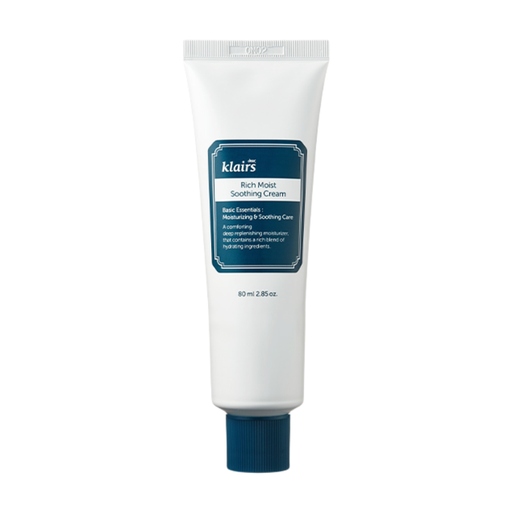
Why it suits this profile: The generous 80 g size and rich cream base make this a practical choice for daily hydration for normal to dry skin.
The ingredients list is available for checking in advance. However, take note of the essential oils and fragrance allergens it contains.
Contains glycerine, beta-glucan, sodium hyaluronate and Ceramide NP, among other ingredients; size 80 g.
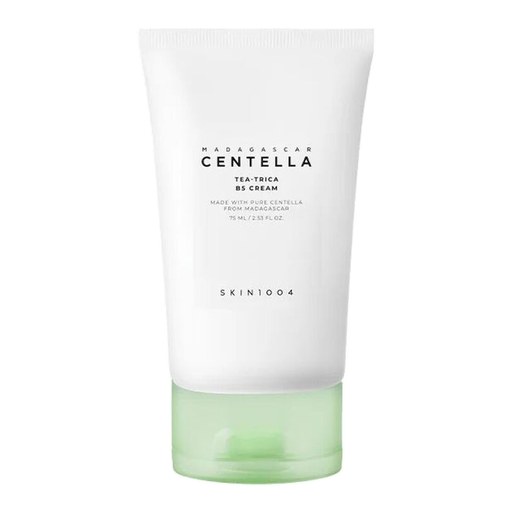
Why it suits this profile: According to the product description, the lightweight formula is intended for blemish-prone, oily or combination skin.
The quick-absorbing, non-greasy texture reduces the risk of a heavy feel. However, tea tree oil is included in the ingredients list and deserves extra consideration if your skin is reactive.
Contains panthenol, Ceramide NP, hyaluronic acid and centella extract; size 75 ml.
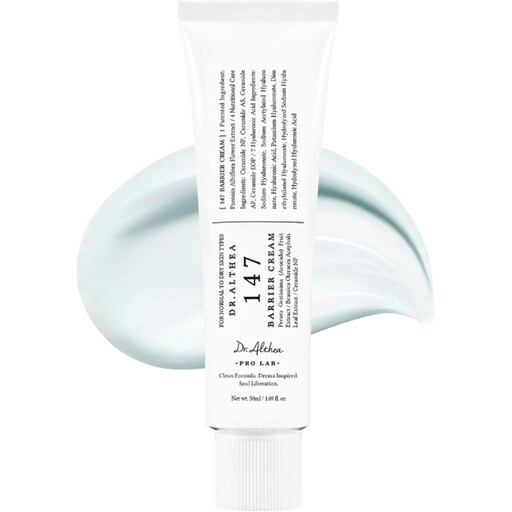
Why it suits this profile: A compact Korean skincare cream with a clear focus on hydration and barrier support.
The product description mentions seven types of hyaluronic acid and ceramides. If you have sensitive skin, check the complete packaging and carry out a patch test first.
According to the product description, it contains ceramides, hyaluronic acid, vitamin E and guaiazulene.
Apply a face cream after cleansing and, if required, using a serum. Follow with sun protection during the day. If you have sensitive skin, start with a small amount and do not introduce several new products at the same time. This makes it easier to judge which product works well for you.
A cream for redness is not a substitute for treatment if you have persistent symptoms, painful inflammation or a strong burning sensation. If in doubt, consult your GP or a dermatologist.
We have put together a complete, up-to-date list of products that fully meet these strict selection criteria and the applicable European safety regulations.
Look for a cream containing glycerine, panthenol, hyaluronic acid and barrier-supporting lipids such as ceramides. A richer texture can feel comfortable on dry skin, but check for fragrance and essential oils if you are prone to reactions.
You can, but the texture and complete formula are more important than the word “ceramide” alone. If appropriate, choose a lightweight gel cream and check whether the manufacturer describes the formula as non-comedogenic. Test the product on a small area of skin first.
Follow the expiry date and the symbol on the packaging, such as the period after opening. Store the cream in a cool, dry place away from direct sunlight, and close the packaging properly. Has the smell, colour or texture changed? Do not use the product.
