
Livraison le jour même et le lendemain

Qualité garantie

Débloquez vos offres de bienvenue: Livraison GRATUITE | Jusqu'à -80 % | 30 jours d'essai gratuits à JoyPlus
Téléchargez l'application
A face cream for sensitive skin should feel comfortable and suit your skin type. However, it can be difficult to distinguish marketing claims from useful product information. A cream described as “calming”, “barrier” or “repair” isn’t automatically suitable for every type of sensitive skin.
The right choice depends on the ingredients, texture, how you plan to use it and any sensitivities you may have. Read on to find out what to look for in a soothing face cream, a moisturiser for sensitive skin or a Korean skincare routine.
A percentage such as 70% centella or 10% azelaic acid can catch your eye. However, how well a product works and how well your skin tolerates it depend on the complete formula, the other ingredients and your skin’s condition. So, a high percentage shouldn’t be your only reason for buying a product.
Plant oils and essential oils can feel pleasant, but some people react to fragrance or botanical ingredients. Always check the ingredients list. For example, lavender oil and orange oil are listed as potential considerations in SKIN1004 Madagascar Centella Cream, despite the cream’s gentle positioning.
Dry skin often benefits from a richer texture, while combination or blemish-prone skin may prefer a lighter cream. As well as looking for moisturising ingredients, check for terms such as non-comedogenic, but treat this as product information rather than a guarantee for every user.
For dry or dehydrated skin, these ingredients may be worth looking for:
A ceramide cream or formula containing panthenol may be worth considering if your skin feels tight. However, read the term “repair the skin barrier” as cosmetic positioning: a cream can support the skin barrier, but it is not a substitute for medical advice.
Choose a lightweight gel cream if your skin gets shiny quickly or you wear make-up. A richer cream may be a better fit for dry skin, cold weather or an evening routine. Look out for descriptions such as:
If your skin reacts easily, you may want to consider a fragrance-free formula. Also check for essential oils, alcohol and known allergens. Apply a new product to a small area of skin first, and don’t introduce several new products at once. Stop using it if irritation persists, and seek advice from a doctor or dermatologist if needed.
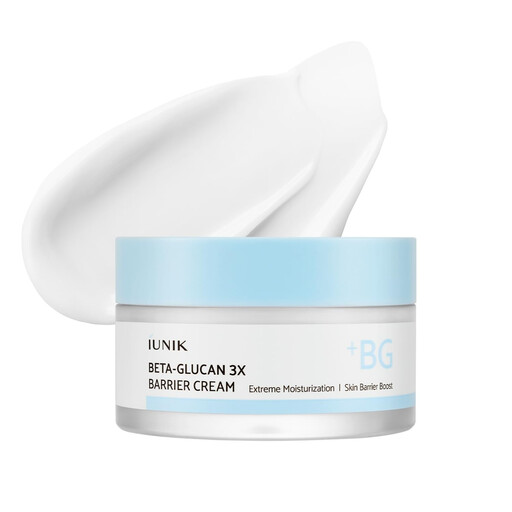
Why it suits this profile: A straightforward option for anyone looking for a moisturiser with beta-glucan, ectoin and panthenol in one formula.
The product description says it contains no synthetic fragrance, parabens or sulphates. Check the current packaging if you want to avoid specific ingredients altogether.
10,000 ppm beta-glucan; a rich texture that, according to the product information, absorbs quickly.
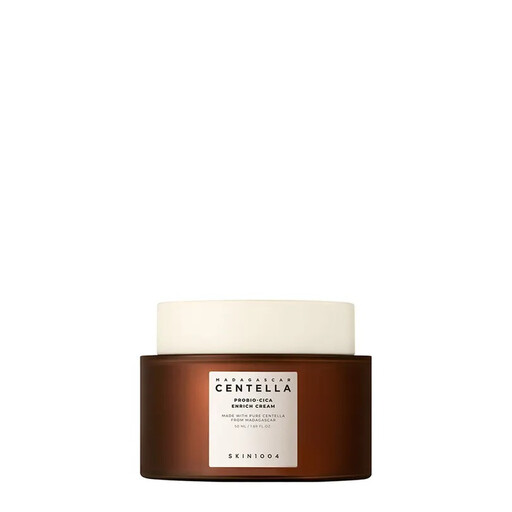
Why it suits this profile: Designed for anyone looking for a richer cream for dry, dehydrated skin, with centella and ceramide NP.
The combination of a rich texture, ceramide NP and centella is a better match for dry skin than a lightweight gel cream alone.
Contains ceramide NP and fermented centella, according to the product description; suitable as the final step in a nourishing routine.
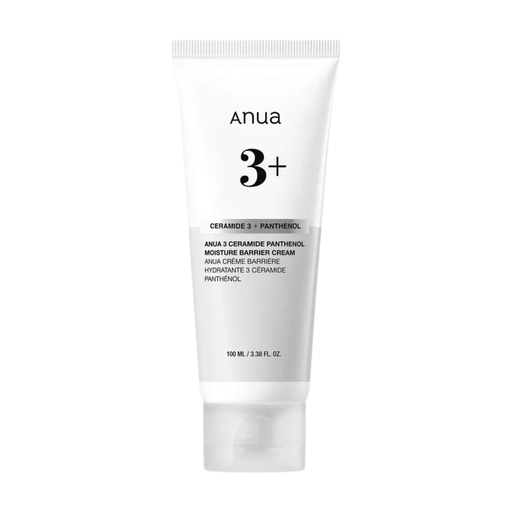
Why it suits this profile: The 100 ml size is handy for daily use if you’re looking for a larger pack and a formula focused on the skin barrier.
The ingredients list clearly identifies ceramide NP, ceramide EOP, ceramide AP, panthenol and hyaluronic acid. According to the product information, the formula is fragrance-free and non-comedogenic.
Three ceramides listed; panthenol and ectoin; tested for sensitive skin, according to the product information.
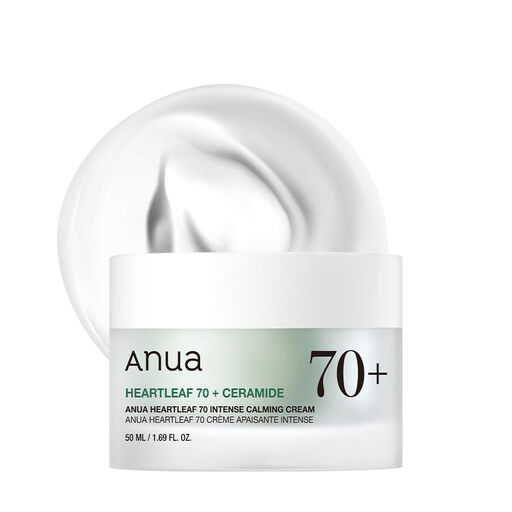
Why it suits this profile: A fragrance-free cream for anyone looking to combine heartleaf, panthenol and ceramides as part of their daily routine.
As well as heartleaf, the ingredients list includes ceramide NP and cholesterol. This means you can consider the complete formula rather than focusing on just one standout plant extract.
70% heartleaf, according to the product name; fragrance-free, with panthenol and ceramide NP.
A cream for redness may help support skin comfort, but visible or recurring redness can have various causes. Don’t expect a guaranteed result, and consult a healthcare professional if you have concerns.
We’ve put together a complete, up-to-date list of products that meet these strict selection criteria and current European safety regulations.
Look for a formula with glycerin, panthenol, ceramides, beta-glucan or hyaluronic acid. A richer cream may feel more comfortable if your skin feels tight. Avoid ingredients you know you react to, and introduce new products gradually.
It can, but ideally choose a product described as non-comedogenic and pay attention to its texture. Start with a thin layer and see how your skin responds. A lightweight cream is often more practical during the day, while a richer option may work better in the evening.
You may notice hydration and comfort quickly, but this varies from person to person. If your skin tolerates a new cream well, give it a few weeks. Stop using it if you experience clear irritation, swelling or persistent redness, and seek medical advice.
