
Vandaag of morgen in huis

Kwaliteit gegarandeerd

Welkomstaanbiedingen ontgrendelen: GRATIS bezorging | Tot 80% korting | Gratis 30 dagen JoyPlus-proefperiode
Download de app
A face cream for sensitive skin needs to suit your skin type, your routine, and your tolerance for certain ingredients. A product with eye-catching packaging or a long ingredients list isn’t automatically the right one. By comparing carefully, you can avoid a bad buy and more easily choose a hydrating face cream that feels great on your skin.
A body lotion can be hydrating and non-greasy, but it isn’t specifically formulated for facial skin. For example, Vaseline Intensive Care Body Lotion Aloe Soothe contains aloe vera, Vaseline droplets and fragrance, according to the product description. NIVEA Nourishing Body Milk lists fragrance and various scent ingredients on its ingredients list.
That doesn’t make these products unsuitable for your body, but they’re less logical when you’re specifically looking for a moisturiser for sensitive skin. So always check the packaging first for “face”, “facial cream” or “gezichtscrème”.
Words like calming, soothing and barrier care often describe a brand’s positioning. According to the product description for SKIN1004, the Madagascar Centella Hydrating Water Cream contains panthenol, Centella Asiatica and TECA, among other ingredients. These are verifiable ingredients, but your skin may still react to the formula.
Pay particular attention to:
So a product for dry skin isn’t automatically the right choice if you’re dealing with irritation or redness.
A gel cream often feels comfortable, but for very dry skin it may be less occlusive than a richer cream. Conversely, a formula with shea butter, oils and fatty acids can feel too heavy for oily or acne-prone skin.
So don’t just look at “light” or “intensive” – consider the combination of texture, ingredients, volume and when you’ll use it.
A good hydrating face cream usually combines several types of humectants and emollients. The product information for the products mentioned includes:
The presence of an ingredient doesn’t tell you how effective it will be for you. The complete formula and your skin’s reaction remain the key factors.
If you’re searching for skin barrier repair, you’ll often look at ceramides, cholesterol, fatty acids, lecithin and squalane. The The Ceramide Skin Barrier Moisturizer contains multiple ceramides, cholesterol, phytosphingosine, panthenol and various forms of hyaluronic acid, according to its ingredients list.
A cream with these ingredients can suit a dry or dehydrated skin, but avoid drawing medical conclusions. If you experience persistent redness, swelling, itching or a burning sensation, it’s wise to stop using it and consult a doctor or dermatologist.
For daily use in the UK, a non-greasy face cream is practical under sunscreen and make-up. A richer cream may work better in the evening or during cold, dry periods.
Also check:
Apply a new formula to a small area of skin first. Use the cream according to the product instructions, usually after cleansing and, if applicable, after a serum.

Why this suits the profile: According to the product description, this gel cream contains 77% oat seed water and has a light texture for daily use in the morning and evening.
The product information states the formula is specifically for the face and lists no fragrance in the ingredients provided. Check the packaging when you buy.
100 ml volume, gel cream texture, with glycerin, squalane, panthenol and beta-glucan according to the ingredients list.

Why this suits the profile: This cream is ideal for anyone specifically looking for barrier-supporting ingredients for dry or dehydrated skin.
The formula is clearly specified. The product information also recommends a patch test, especially for sensitive skin.
80 ml, with multiple ceramides, cholesterol, squalane, panthenol and hyaluronic acid.
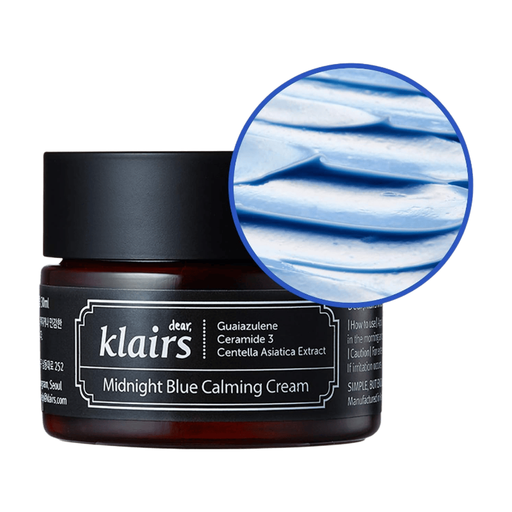
Why this suits the profile: According to the product description, this is a targeted cream for your evening routine, designed to be applied locally to sensitive areas.
You don’t need to use a heavy cream all over your face: the instructions recommend a small amount on the areas you want to treat.
30 g, with Centella Asiatica, ceramide NP, sodium hyaluronate and guaiazulene; the product description states a fragrance-free formula.
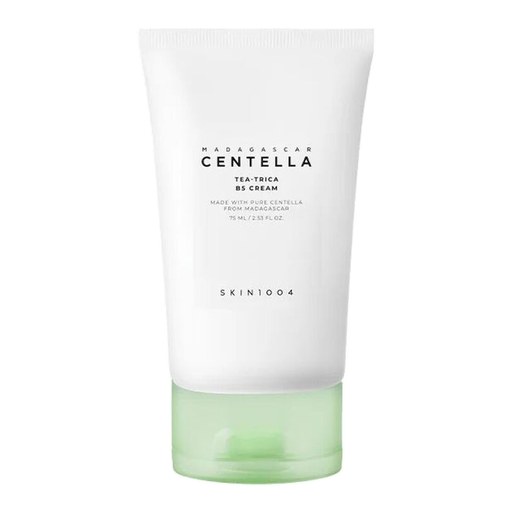
Why this suits the profile: The product description targets this cream at oily, blemish-prone or combination skin and mentions a fast-absorbing texture.
The choice is based on the stated skin types and texture, not just the term “soothing”. Tea tree oil is listed in the ingredients.
75 ml, with panthenol, ceramide NP, hyaluronic acid and tea tree oil according to the product information.
We’ve put together a full, up-to-date list of products that fully meet these strict selection criteria and comply with current European safety regulations.
Follow the instructions on the packaging. Many moisturisers are designed for morning and evening use, after cleansing. During the day, apply a sunscreen after your cream. If you have sensitive skin, you might start with once a day and see how your skin reacts.
Check the expiry date, batch information and any period-after-opening symbol on the packaging. Store the cream tightly closed, in a cool, dry place away from direct sunlight. If the scent, colour or consistency changes noticeably, stop using the product.
Look for a formula with hydrating ingredients like glycerin, panthenol or hyaluronic acid, combined with barrier-supporting ingredients such as ceramides, squalane or fatty acids. Choose a texture that stays comfortable without stinging or leaving a heavy layer. Always test new products on a small area of skin first.
