
Vandaag of morgen in huis

Kwaliteit gegarandeerd

Welkomstaanbiedingen ontgrendelen: GRATIS bezorging | Tot 80% korting | Gratis 30 dagen JoyPlus-proefperiode
Download de app
Buying a face cream sounds simple, until you have to choose between a moisturising face cream, anti-ageing cream, retinol cream or a formula for sensitive skin. Many products use similar wording on the packaging, while their ingredients, texture and instructions for use can vary considerably.
Pay particular attention to these common pitfalls:
Choosing the right face cream is therefore about combining skin type, purpose, ingredients, texture, size and time of use.
A cream for dry skin often contains a richer base with ingredients such as glycerine, squalane, oils, shea butter or ceramides. These ingredients can help retain moisture and provide a comfortable feel.
For oily or combination skin, a gel cream or lightweight lotion is often more practical. Look for descriptions such as “fast-absorbing”, “non-greasy” and “oil-free”, but also check the full ingredients list. A lightweight texture is no guarantee that a product will suit everyone.
For sensitive skin, fragrance-free formulas are usually a sensible first choice. Also check whether the manufacturer provides any warnings and test a new product on a small area of skin first.
An anti-ageing cream, anti-wrinkle cream or firming face cream may contain various types of ingredients. These include:
Brand claims about collagen, lifting or reducing pigmentation should be viewed as information provided by the manufacturer. According to Estée Lauder’s own research, for example, participants reported brighter- or firmer-looking skin with certain products. This is not a universal guarantee for every skin type.
A 50 ml jar and a 40 ml tube may appear comparable at first glance, but the amount used each time can vary. A small pack containing an active ingredient may also be intended for gradual introduction.
Look out for:
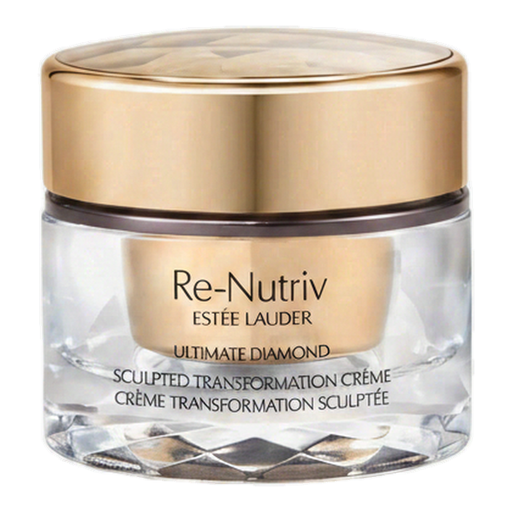
Why it suits this profile: A luxury face cream for those who value a rich texture, 50 ml contents and a skincare routine focused on hydration and smoother-looking skin.
The product information specifies the skin types, size, texture and application. Claims about sculpting and clinical measurements remain claims made by the brand.
50 ml, cream texture and, according to the product details, suitable for all skin types. The packaging is a glass jar.
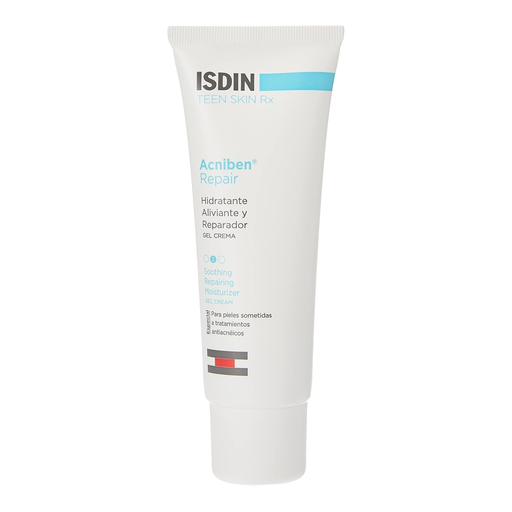
Why it suits this profile: According to the product details, this gel cream is designed for sensitive, blemish-prone skin and can be used after dermatological treatments.
The formula is fragrance-free, and the usage information advises stopping if irritation occurs. This makes the choice more straightforward for sensitive skin.
40 ml, gel cream texture and hyaluronic acid listed in the product information. Intended for use during the day and in the evening.
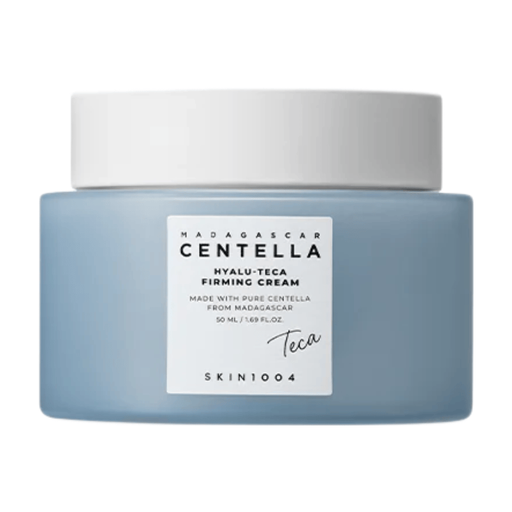
Why it suits this profile: This Korean skincare cream combines niacinamide, squalane, panthenol, ceramide NP and hyaluronic acid, among other ingredients, in a formula for dry or dehydrated skin.
The ingredients list is available, so you do not have to rely solely on terms such as “firming”. However, always check for allergies and the current packaging.
50 ml contents, ceramide NP and several moisturising ingredients in the stated formula.
Apply the cream to clean skin. When using an active formula, start with a small amount and gradually increase the frequency. A retinol cream is best used according to the brand’s specific instructions. AHA and BHA products can increase sensitivity to sunlight; use a sun protection product during the day and follow the warnings on the packaging.
If persistent redness, itching, swelling or a burning sensation occurs, stop using the product. If you have a skin condition or are using the product after a dermatological treatment, it is advisable to consult a doctor or dermatologist.
We have put together a complete, up-to-date list of products that fully meet these strict selection criteria and the applicable European safety regulations.
That depends on the formula. A moisturising face cream is often used in the morning and evening. A retinol, AHA or BHA cream may need to be introduced less frequently. Always follow the label and monitor how your skin responds.
Check the expiry date and PAO symbol on the packaging. Once opened, air, light and fingers can affect the formula. Store the cream in a cool, dry place away from direct sunlight, unless the manufacturer provides different instructions.
Not necessarily. Compare the contents in ml or grams, the recommended amount and the frequency of use. A luxury face cream may offer a different texture or type of packaging, but the cost per use can only be assessed properly by comparing these details.
