
Vandaag of morgen in huis

Kwaliteit gegarandeerd

Welkomstaanbiedingen ontgrendelen: GRATIS bezorging | Tot 80% korting | Gratis 30 dagen JoyPlus-proefperiode
Download de app
Pigmentation, a dull complexion or dark patches can be difficult to care for. A face cream for pigmentation often sounds promising, but not every product suits every skin type or expectation. Some creams camouflage marks immediately, while others mainly hydrate and contain ingredients that, according to the product description, may help create a more even-looking complexion.
The right choice therefore starts not with eye-catching packaging, but with the formula, when you use it and your skin type.
A tinted day cream or BB cream can make pigmentation look less noticeable straight away. However, this is camouflage, not proof that the mark itself has changed. So check whether the product clearly distinguishes between colour correction, sun protection and caring ingredients.
Niacinamide, vitamin C and tranexamic acid are often mentioned in a brightening cream. The presence of one such ingredient does not tell you everything on its own. The concentration, the complete ingredients list and how you use the product are at least as important. A cream for dark spots must also be pleasant enough to use consistently.
A face cream with SPF can be a convenient addition to your morning routine. However, the level of protection depends on how much you apply and whether you reapply it during prolonged exposure, sweating or towel-drying. A product with SPF 30 is therefore not a reason to stay in the sun for a long time without additional protection.
Check the ingredients list and decide what you are mainly looking for:
A formula containing several caring ingredients may be more useful than a product that focuses on just one marketing term.
Do you mainly want to make pigmentation less noticeable during the day? If so, consider a tinted cream with colour pigments. According to the product information, the NIVEA Cellular LUMINOUS630 CC Fluid Cream has SPF 30 and micro-encapsulated pigments that adapt to your skin tone. The Light and Medium versions differ in colour, so check the shade before ordering.
SPF is not essential as part of an evening routine. A night cream can then focus more on skincare and hydration. According to the ingredients list, the NIVEA LUMINOUS630 night cream contains, among other things, hyaluronic acid and the LUMINOUS630 used by the brand.
Dry skin often benefits more from a creamy formula containing glycerine, shea butter, squalane or hyaluronic acid. A lightweight gel cream may feel more comfortable on oily or combination skin. If you have sensitive skin, pay extra attention to fragrance, essential oils and fragrance allergens.
A patch test on a small area of skin is a sensible precaution. Stop using the product if you experience persistent redness, itching, swelling or a burning sensation, and seek advice from a doctor or dermatologist if necessary. Cosmetic products are not a treatment for a medical skin condition.
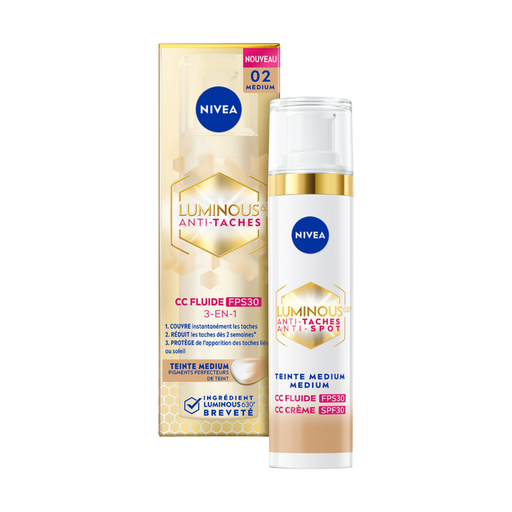
Why it suits this profile: A practical choice if you want to combine complexion correction, skincare and SPF in one product during the day.
The product information makes it clear that the tint provides immediate camouflage and SPF 30. According to NIVEA's own research, pigmentation may become visibly less noticeable with use; this is not a guarantee for every user.
40 ml tinted fluid, SPF 30, hyaluronic acid in the ingredients list, and a choice of Light or Medium.
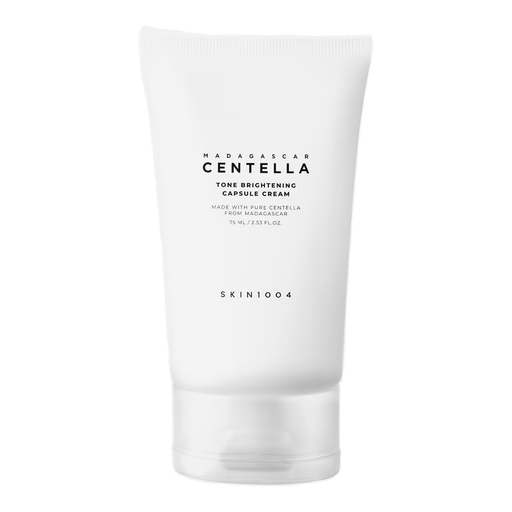
Why it suits this profile: Ideal if you are looking for a lightweight, fragrance-free formula for daily care of sensitive, combination or oily skin.
The formula combines several ingredients instead of relying solely on a brightening label. The product details state 4–4.9% niacinamide and 1.6–2% tranexamic acid; always check the packaging.
75 ml, 60% Centella Asiatica extract according to the product description, fragrance-free and alcohol-free.
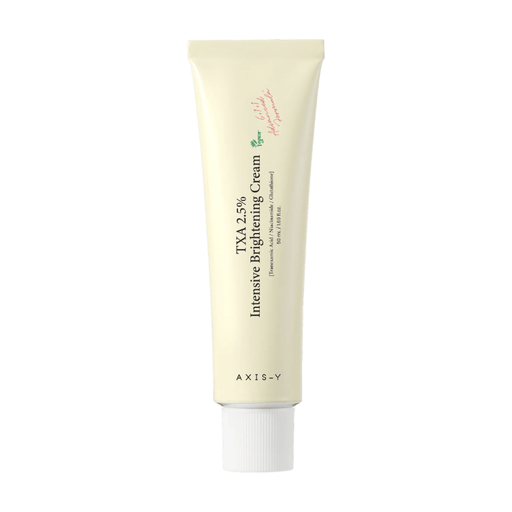
Why it suits this profile: Suitable if you are specifically looking for tranexamic acid and niacinamide and want to build your routine carefully.
The percentage of tranexamic acid is stated in the product name and ingredients information. The product details recommend using SPF 30 or higher during the day.
50 ml, 2.5% tranexamic acid according to the product information, niacinamide, panthenol and ceramide NP.
We have put together a complete, up-to-date list of products that fully meet these strict selection criteria and the applicable European safety regulations.
Also check the expiry information and batch number on the packaging. Store creams in a cool, dry place and protect them from direct sunlight, especially when they contain vitamin C derivatives.
A cosmetic cream can hydrate the skin, make the complexion look more even or camouflage marks. Brands may also report results from their own user tests. According to the relevant brand's own research, such results apply to the group studied and are not a guarantee for every user.
That depends on the complete formula and your individual sensitivity. If you react to fragrance, choose a fragrance-free product where possible, test it on a small area first and introduce one new product at a time. According to the product details, the SKIN1004 cream is described as fragrance-free and suitable for sensitive skin.
Follow the expiry date and the period-after-opening information on the packaging. It is best not to use a cream if its smell, colour or texture has changed. With daily use, a container will run out more quickly; the products in this overview range from 40 to 75 ml. This volume is relevant when comparing the price per millilitre.
