
Vandaag of morgen in huis

Kwaliteit gegarandeerd

Welkomstaanbiedingen ontgrendelen: GRATIS bezorging | Tot 80% korting | Gratis 30 dagen JoyPlus-proefperiode
Download de app
Pigmentation, dark spots and an uneven skin tone can have various causes, including sun exposure, hormonal changes and skin ageing. A face cream for pigmentation can help you tailor your skincare routine, but not every anti-pigmentation cream is right for every skin type.
Marketing can sometimes make choosing a product unnecessarily difficult. For example, the words “brightening” or “glow” don’t tell you much about the ingredients, sun protection or texture. Read on to find out what to look for before buying a cream for dark spots.
UV radiation can contribute to the development of pigmentation and make existing spots darker. A brightening cream without sun protection may therefore be less suitable for daytime use. Note the difference between an ordinary hydrating face cream and a day cream with SPF.
SPF 30 or SPF 50 offers protection against UVB according to the product’s stated rating. Also check whether UVA protection is listed on the packaging. Apply a generous amount and reapply according to the instructions if you’re in the sun for a long time, sweating or swimming.
Vitamin C, niacinamide, acids and tranexamic acid are often combined in a vitamin C face cream or Korean skincare products for pigmentation. However, more active ingredients don’t automatically mean better results. Sensitive skin may react to fragrance, alcohol, essential oils or exfoliating acids.
It’s best to introduce one new product at a time. If redness, a burning sensation or swelling persists, stop using the product and consult a doctor or dermatologist if you’re unsure.
Claims such as “visible results in a short time” should be read in context. A brand’s own research may have measured a particular effect in a specific test group or over a particular period of use. This doesn’t guarantee the same results for everyone.
So focus on checking:
Niacinamide features in several products in this selection. It’s often used in niacinamide creams to care for dull or uneven-looking skin. Depending on the rest of the formula, it may also suit combination or oilier skin.
Don’t just look at the name on the front of the pack. The concentration and full formula also affect how a product feels and how well it fits into your routine.
A vitamin C face cream may contain pure ascorbic acid or a more stable vitamin C derivative, such as ascorbyl glucoside or 3-O-ethyl ascorbic acid. Products containing vitamin C may appeal if you want to address a dull-looking complexion.
Also use sun protection during the day. Some formulas contain fragrance, citrus ingredients or alcohol denat.; check the label, especially if your skin is prone to sensitivity.
A tranexamic acid cream is a targeted choice if you’re specifically looking for a formula containing tranexamic acid and niacinamide. The products from SKIN1004 and AXIS-Y both contain this combination. Exact percentages vary by product, so compare the label rather than relying on the product name alone.
A hydrating face cream with panthenol, hyaluronic acid, glycerine or centella asiatica can also help keep skin feeling comfortable.
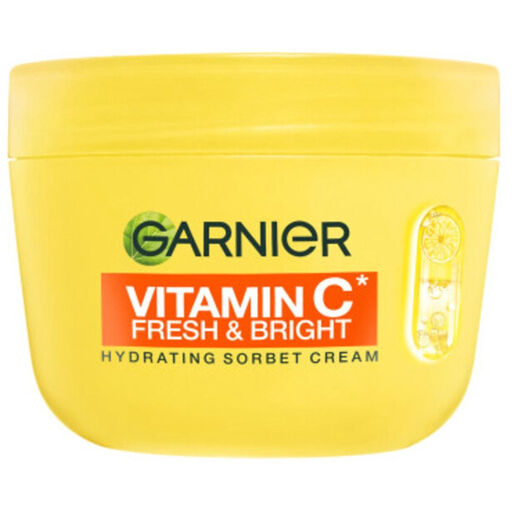
Why it suits this profile: The lightweight sorbet texture is practical for everyday use and contains niacinamide and a vitamin C derivative.
The ingredients list makes it clear that this isn’t an SPF product. Use a separate broad-spectrum sunscreen during the day.
50 ml, lightweight texture, niacinamide and ascorbyl glucoside. The product information warns of possible eye irritation and increased sensitivity to the sun.
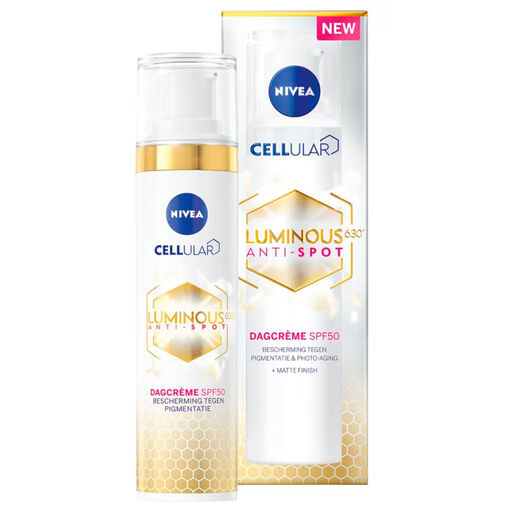
Why it suits this profile: This day cream combines an anti-pigmentation ingredient with SPF 50, making it a good fit for a simple morning routine.
The SPF 50 is clearly stated, so you won’t mistakenly choose a day cream without sun protection. The formula does contain fragrance and alcohol denat.; sensitive skin types should check the label.
SPF 50, 40 ml, glycerine, hyaluronic acid and vitamin E. According to NIVEA’s own research, the formula was assessed in a clinical study involving 43 women; the results don’t necessarily apply to every user.
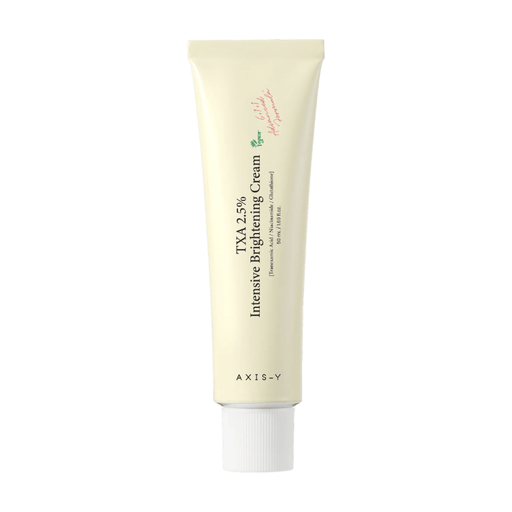
Why it suits this profile: The formula is designed for people specifically looking for tranexamic acid alongside niacinamide and hydrating ingredients.
The product states that it contains 2.5% tranexamic acid and recommends SPF 30 or higher during the day. This makes it clear which active ingredient and additional protection to include in your routine.
50 ml, 2.5% tranexamic acid, niacinamide, panthenol, ceramide NP and several forms of hyaluronic acid. The product doesn’t contain SPF.
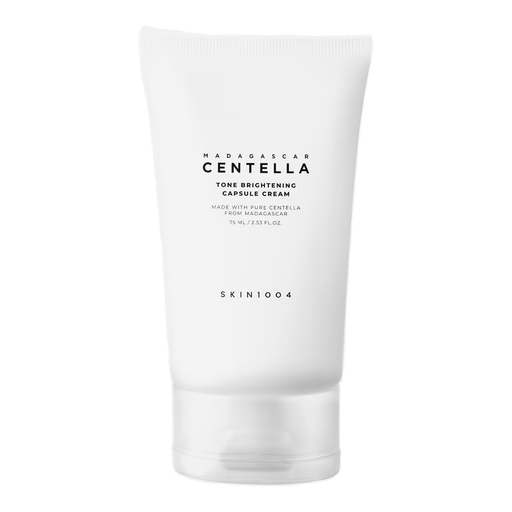
Why it suits this profile: According to the product information, this gel cream is fragrance-free and alcohol-free. Its lightweight texture makes it suitable for everyday use.
The product information says it contains no fragrance or alcohol. A patch test is still a good idea, as active ingredients can affect every skin type differently.
75 ml, 60% centella asiatica extract according to the product description, niacinamide, tranexamic acid, panthenol and madecassoside.
We’ve put together a complete, up-to-date list of products that meet these strict selection criteria and the applicable European safety regulations.
Look for a fragrance-free and alcohol-free formula with hydrating ingredients such as glycerine, panthenol or centella asiatica. SKIN1004 lists these properties for its Centella Asiatica Brightening Light Gel Cream. Test a new product on a small area of skin first, and don’t introduce several active products at once.
A day cream with SPF can be handy for everyday use, but the level of protection depends on how much you apply and whether you reapply it. For extended periods outdoors, a separate sunscreen is often more practical. Always follow the instructions on the packaging and avoid prolonged, direct exposure to the sun.
It depends on the size and how much you use each time. With daily use, a 40 to 50 ml product will generally run out sooner than a 75 or 100 ml pack. Also check the period-after-opening symbol and store the cream somewhere cool and dry, away from direct sunlight.
