
Vandaag of morgen in huis

Kwaliteit gegarandeerd

Welkomstaanbiedingen ontgrendelen: GRATIS bezorging | Tot 80% korting | Gratis 30 dagen JoyPlus-proefperiode
Download de app
Pigmentation, dark spots and a dull complexion can have various causes, such as sun exposure, hormonal changes or previous skin irritation. A face cream for pigmentation can help hydrate the skin and support a more even-looking complexion, but not every cream is suitable for every skin type.
Choosing a product can be made more difficult by marketing terms such as “whitening”, “glow” and “anti-spot”. So pay particular attention to the ingredients list, texture and directions for use. The following common pitfalls can help you make a more informed choice.
Active ingredients can form part of your skincare routine, but exposure to UV radiation can make pigmentation more visible. A cream for dark spots without SPF therefore does not replace separate sun protection.
An SPF face cream can be practical for daytime use. Check the stated protection factor and apply enough product according to the instructions on the packaging. During prolonged sun exposure, for example on a terrace or while cycling, additional sun protection may be needed.
More active ingredients do not automatically mean that a product is better suited to your skin. Niacinamide, vitamin C and tranexamic acid are often used in products designed to promote a more even complexion, but the concentration, formula and combination with other ingredients also affect how comfortable a cream feels on the skin.
According to the product description, the SKIN1004 Tone Brightening Capsule Cream contains, among other ingredients, 60% Centella Asiatica extract, niacinamide and tranexamic acid. These are verifiable product specifications. Its effect on pigmentation should not be regarded as a guaranteed result.
A cream for dull skin may have a fresh or citrus scent, but fragrance and fragrance allergens are not suitable for everyone. So check the INCI list for ingredients including parfum, limonene, linalool and essential oils.
For sensitive or blemish-prone skin, a lightweight texture, a limited amount of fragrance and a patch test are sensible considerations. Stop using the product if persistent redness, itching or a burning sensation occurs.
If you are looking for a cream for an even complexion, consider the following ingredients:
Do not focus only on the name on the front of the packaging. Check the full ingredients list and make sure the product is suitable for daily use.
An anti-ageing day cream with SPF can combine several functions, but remember that having SPF does not automatically mean you do not need any other sun protection. A night cream usually contains no UV filters and is intended for evening skincare.
Choose according to your skin type:
Apply a face cream as the final step in your skincare routine. During the day, use an SPF product if the cream itself does not provide suitable UV protection. Do not expect immediate, lasting results: a more even-looking complexion also depends on consistent use and protection from the sun.
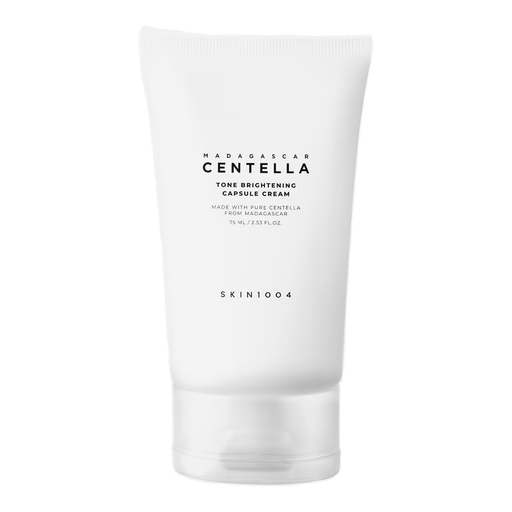
Why it suits this profile: This 75ml gel cream combines daily hydration with niacinamide and tranexamic acid. Its lightweight texture is practical if you want to build a simple Korean skincare routine.
The product information states that it contains no fragrance, alcohol or parabens. Always check the current packaging and, if you have sensitive skin, test the product on a small area first.
75ml; 60% Centella Asiatica extract according to the product description; niacinamide and tranexamic acid; fragrance-free and alcohol-free formula according to the stated specifications.
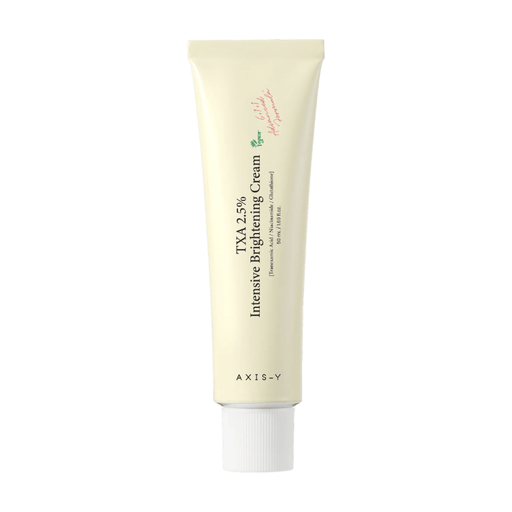
Why it suits this profile: This cream is suitable for anyone specifically looking for a stated tranexamic acid concentration and who prefers a richer texture containing panthenol, ceramides and hyaluronic acid.
The product information states that it contains 2.5% tranexamic acid and recommends using SPF 30 or higher during the day. This makes the routine clearer than with a product making only a general glow claim.
50ml; 2.5% tranexamic acid according to the ingredients information; niacinamide, panthenol, ceramide NP and several forms of hyaluronic acid.
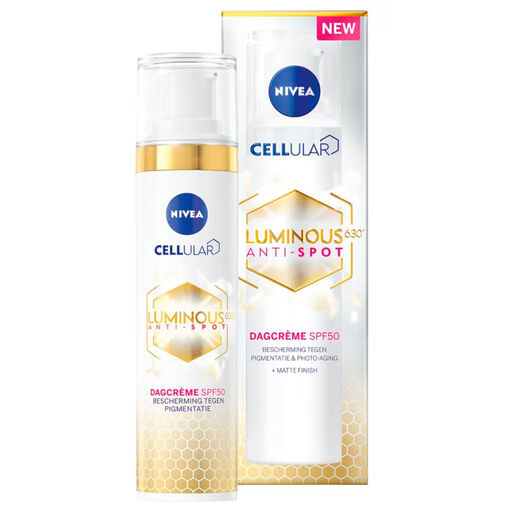
Why it suits this profile: A day cream with SPF 50 and hyaluronic acid is suitable for users who want to address pigmentation as part of their morning routine and are not looking for a separate day cream without UV filters.
The SPF 50 is clearly stated in the product name and specifications. According to NIVEA’s product information, the formula contains LUMINOUS630 and UV filters; check the directions for use to determine the required amount.
SPF 50; 40ml; hyaluronic acid and vitamin E according to the ingredients list; designed for all skin types according to the product description.
We have compiled a complete, up-to-date list of products that fully meet these strict selection criteria and the applicable European safety regulations.
That depends on the formula and the directions for use. A simple hydrating face cream containing niacinamide, for example, can often be incorporated into a daily routine. With vitamin C, acids or tranexamic acid, it is advisable to follow the product instructions and introduce the product gradually. Use an SPF product during the day.
Look for the open-jar symbol on the packaging, for example 12M. This generally means that the product should be used within twelve months of opening. Store the cream in a cool, dry place away from direct sunlight. If the scent, colour or texture changes noticeably, stop using the product.
The price varies depending on the brand, size, ingredients and SPF. So do not compare only the price of one container; also consider the volume in millilitres and the intended use. A day cream with SPF, for example, may combine several steps, while a night cream is mainly focused on hydration and care.
If you notice a new or rapidly changing dark spot, cosmetics are not the right first step. Have any concerning skin changes assessed by a GP or dermatologist.
