
Vandaag of morgen in huis

Kwaliteit gegarandeerd

Welkomstaanbiedingen ontgrendelen: GRATIS bezorging | Tot 80% korting | Gratis 30 dagen JoyPlus-proefperiode
Download de app
A face cream with niacinamide can be a useful addition to your daily skincare routine. However, it is not wise to rely solely on a prominent claim or a high percentage. Dry skin, for example, needs different support from oily or sensitive skin. A cream with SPF also does not automatically replace every other step in your routine.
Comparing products carefully can help you avoid a disappointing purchase. Pay particular attention to the formula, texture, application and combination with other active ingredients.
Niacinamide, also known as vitamin B3, is found in many formulas. A brand may prominently highlight a high percentage, but the overall composition also helps determine how the cream feels and how well it suits your skin. So also look for supporting ingredients such as glycerine, panthenol, hyaluronic acid, ceramides or squalane.
A hydrating face cream with niacinamide can feel comfortable if your skin feels tight, while a lightweight gel cream is often better suited to oily or combination skin.
A product description may state that a cream is suitable for all skin types. That does not mean everyone will have the same experience. A rich cream can feel comfortable on dry or mature skin, while a gel texture is often more practical for shiny skin.
Also check for fragrance and essential oils. If you have sensitive skin, a fragrance-free formula is often a sensible choice, although it is still advisable to test every new product on a small area of skin first.
Niacinamide, vitamin C, tranexamic acid and AHAs are often associated with a more even-looking complexion. A brand’s own research may suggest that certain visible results can appear after a set number of days, but such outcomes are not guaranteed for every user. Therefore, treat “cream for pigmentation” as a product category rather than a medical promise.
Daily sun protection is important when dealing with pigmentation. A cream with SPF 30 or a separate SPF 50+ sunscreen may be suitable, depending on your routine and level of exposure.
A formula that focuses solely on niacinamide may be too limited for dry skin or a weakened skin barrier. If you are looking for comfort, consider combinations such as:
Check the current ingredients list on the packaging. Manufacturers can change their formulas, and product information may vary between batches.
The texture determines how easy a product is to use every day:
When choosing a cream for blemish-prone skin, terms such as “non-comedogenic” are relevant, but your individual response remains the deciding factor. Cleanse gently and avoid introducing several new active products at the same time.
Niacinamide may be combined with vitamin C, AHAs, retinol or tranexamic acid. That does not automatically make a product suitable for every routine. Particularly if you have sensitive skin, it may be wiser to introduce active products gradually.
A formula with tranexamic acid and niacinamide is described as targeting a more even-looking complexion. A product containing vitamin C and AHAs may also be positioned as a brightening product, but check whether fragrance, acids or essential oils suit your skin.
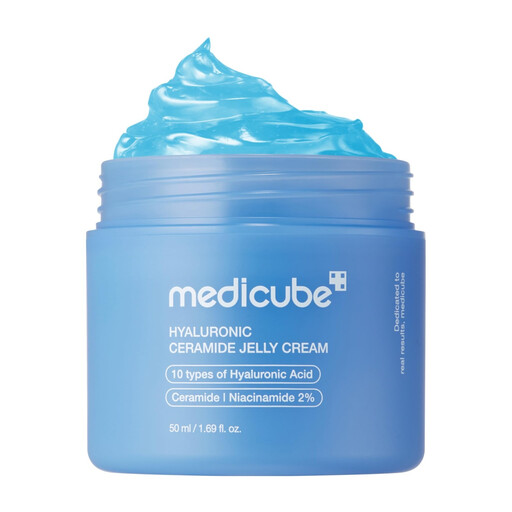
Why it suits this profile: The lightweight jelly texture is a straightforward choice for anyone looking for a simple daily routine with hydration and niacinamide.
The formula is not solely focused on niacinamide. According to the product description, it also contains glycerine, hyaluronic acid, ceramide NP, panthenol and squalane.
50 ml, gel-like texture and ingredients suited to dehydrated skin.
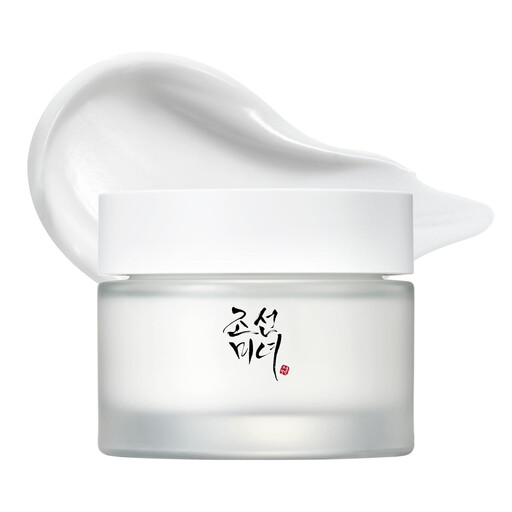
Why it suits this profile: This Korean skincare option combines a creamy texture with rice water, ginseng water, honey, ceramide NP and niacinamide.
The product description mentions several hydrating and nourishing components rather than relying solely on a general anti-ageing claim.
50 ml, fragrance-free according to the product details and designed for use on the face.
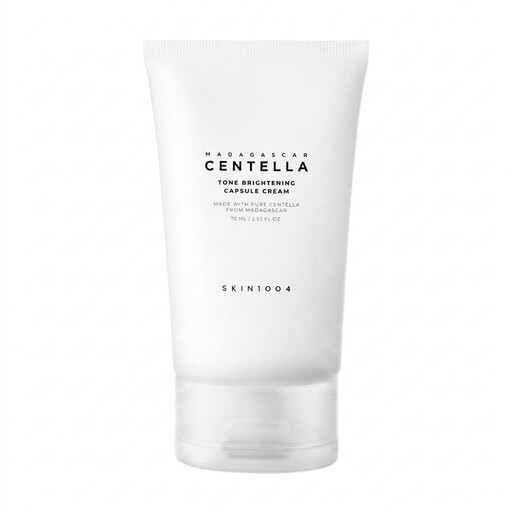
Why it suits this profile: Suitable for anyone looking for a lightweight Korean gel cream containing niacinamide, tranexamic acid, centella and bisabolol.
The product information lists the full combination of active and hydrating ingredients, helping you compare products more effectively.
75 ml, fast-absorbing gel texture and, according to the product description, dermatologically tested and non-comedogenic.
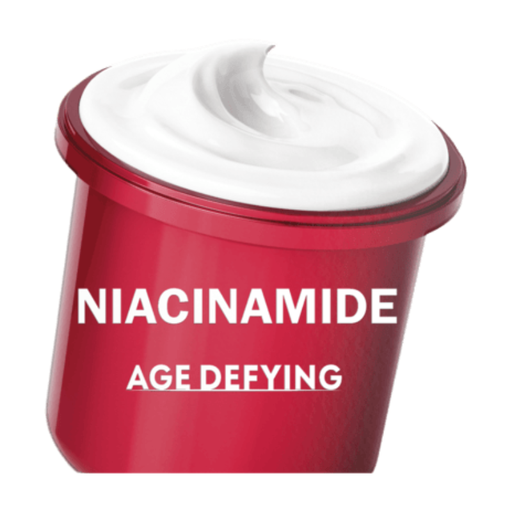
Why it suits this profile: A practical choice for anyone who wants to combine hydration and SPF 30 in a single daytime step.
The SPF factor is clearly stated. However, check the recommended amount and reapply during prolonged exposure.
50 ml, niacinamide, vitamin E, SPF 30 and refill packaging according to the product details.
We have put together a complete, up-to-date list of products that fully meet these strict selection criteria and the applicable European safety regulations.
Apply the cream to cleansed skin, usually as the final step before sunscreen in the morning. If you are using an active formula, start with a small amount. A simple routine could look like this:
An eye cream, such as the OLAY Vitamin C Eye Cream, is designed for the eye area and not for the entire face. According to the product description, this fragrance-free gel cream contains niacinamide and vitamin C and has a contents size of 15 ml.
It can be, but the full formula is more important than the presence of niacinamide alone. If you are sensitive to fragrance, preferably choose a fragrance-free product and test a small amount first. Stop using it if you experience redness, itching or a burning sensation.
This is often possible, but introduce new products gradually. A cream containing both ingredients can be practical. Also pay attention to fragrance, acids and other active ingredients in the formula. Use sun protection during the day if your routine contains ingredients that may make your skin more sensitive.
This depends on the contents and the amount used each time. A 50 ml pack will generally last longer with daily use than a 15 ml tube, but always check the expiry information and the period after opening on the packaging. Store the product in a cool, dry place away from direct sunlight.
