
Vandaag of morgen in huis

Kwaliteit gegarandeerd

Welkomstaanbiedingen ontgrendelen: GRATIS bezorging | Tot 80% korting | Gratis 30 dagen JoyPlus-proefperiode
Download de app
Buying a face cream seems simple, until you have to choose between a hydrating face cream, a lightweight gel cream, a cream for dry skin or a product designed to support the skin barrier. Marketing copy doesn’t always make it clear which formula will suit your daily routine. A high price, a popular ingredient name or a promise of long-lasting hydration doesn’t tell you much on its own.
Use this practical guide to focus on skin type, texture, ingredients, size and when to use it. That way, you can avoid buying a face cream that feels too heavy, pills under make-up or doesn’t provide enough comfort for dry skin.
Hyaluronic acid is found in many moisturisers. That doesn’t automatically mean every hyaluronic acid cream feels the same or serves the same purpose in your routine. Check the other ingredients too, such as glycerine, squalane, ceramides, oils and silicones.
For example, Torriden’s product description lists several forms of hyaluronic acid, including sodium hyaluronate and hydrolysed hyaluronic acid. Claims such as “deep hydration” come from the brand, so you shouldn’t take them as guaranteed results. You can, however, check objectively whether these ingredients appear on the ingredients list.
A thick cream can feel comfortable on dry skin, especially in the evening or on cold, dry days. The same texture may feel heavy or look shiny on oily or combination skin, though. A lightweight gel cream is often more practical during the day and under make-up.
Look for descriptions such as “gel-cream”, “gel-based” or “non-greasy”, but check the ingredients and directions for use too. A product described as suitable for all skin types won’t necessarily suit everyone’s personal preferences.
“Fragrance-free”, “hypoallergenic” and “dermatologically tested” are useful product details, but they don’t rule out an individual reaction. Always check the full ingredients list. If you have sensitive skin, it’s sensible to try a small amount on a limited area of skin first.
According to the product information provided, NIVEA Moisturizing Cream contains ingredients including fragrance, limonene, geraniol and benzyl benzoate. That doesn’t automatically make this cream unsuitable, but it is useful to know if you prefer to avoid fragrance ingredients.
Use the following as a practical starting point:
A skin barrier cream often contains ingredients such as ceramides, cholesterol, panthenol, fatty acids or squalane. These ingredients may be a sensible choice if comfort and protection against moisture loss are your main priorities.
In cosmetic formulas, hyaluronic acid and glycerine act as humectants. A face moisturiser containing these ingredients may feel comfortable if you want to reduce tightness after cleansing. Apply the cream according to the label, and use sun protection during the day if it’s appropriate for your routine.
Don’t just compare the price; check the size too. A 100 ml jar may seem better value than a 30 ml pack, but you might use more each time if the cream has a thicker texture. Also check the expiry date and period after opening on the packaging.
Apply face cream to a cleansed face. A small amount is usually enough to start with. Stop using it if you experience redness, itching, swelling or a burning sensation, and follow the safety instructions on the packaging.
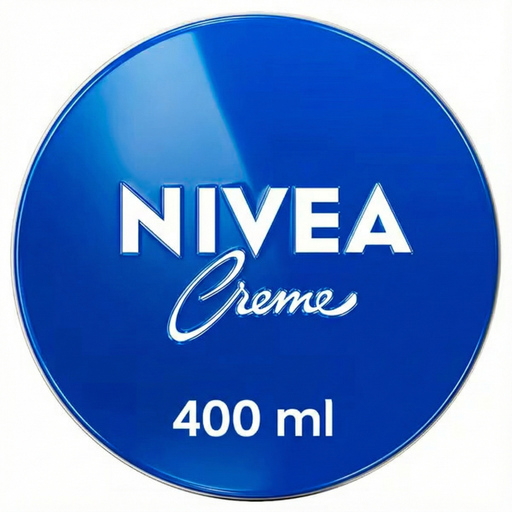
Why it suits this profile: The large 400 ml pack is designed for the face, body and hands. It could be a practical choice if you’re looking for one versatile cream.
The size and wide range of uses are clearly stated. If you have sensitive skin, check for fragrance and fragrance allergens.
400 ml size; contains glycerine and panthenol according to the ingredients list; suitable for use on several areas of the body.

Why it suits this profile: Its gel base, fragrance-free formula and stated suitability for dry, combination and oily skin make it a good fit if you’re after a light, polished routine.
The product information explicitly describes it as a gel cream with a fragrance-free formula. This makes it easier to understand the texture than with a face cream that has no such details.
Gel base; 30 ml size; described in the product information as free from alcohol, fragrance, parabens and phthalates.
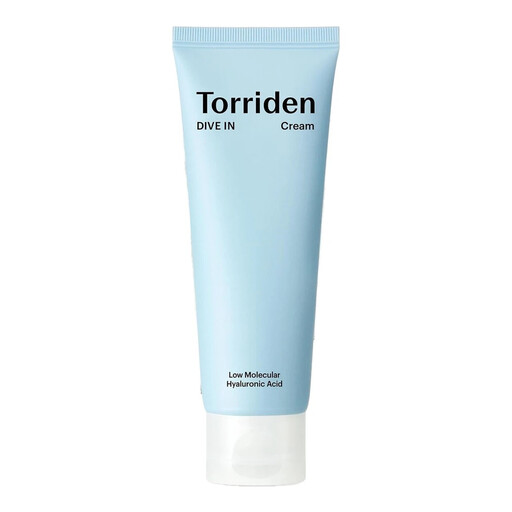
Why it suits this profile: This cream combines a rich yet lightweight-feeling texture, according to the product description, with several forms of hyaluronic acid, glycerine, beta-glucan and ceramide NP.
Rather than simply mentioning “hyaluronic acid”, the product information lists several different forms in the ingredients. If you have allergies, always check the full formula.
80 ml size; several forms of hyaluronic acid; jojoba, macadamia and argan oils listed in the ingredients.
We’ve put together a complete, up-to-date list of products that meet these strict selection criteria and the relevant European safety regulations.
Most face moisturisers can be applied after cleansing in the morning and evening. Always follow the specific instructions on the label. During the day, apply sun protection as the final step in your routine, unless the product packaging advises a different order.
Check the expiry date and the period-after-opening symbol on the packaging. Store the cream in a cool, dry place away from direct sunlight. Close the jar or tube properly, and stop using the product if its smell, colour or texture changes noticeably.
Look for a lightweight gel cream or a product described as non-comedogenic in its product information. This is a product claim, not a guarantee for every user. Introduce a new cream gradually, and avoid using several new active products at the same time.
