
Vandaag of morgen in huis

Kwaliteit gegarandeerd

Welkomstaanbiedingen ontgrendelen: GRATIS bezorging | Tot 80% korting | Gratis 30 dagen JoyPlus-proefperiode
Download de app
Buying a new face cream seems simple, until you have to choose between a hydrating face cream, anti-ageing cream, retinol cream or vitamin C cream. Many products promise an even complexion, a stronger skin barrier or less visible fine lines. However, an attention-grabbing claim does not always tell you whether the cream suits your skin type and routine.
As a Joybuy Product Recommendation Officer, I filter product information based on practical factors: ingredients, application, packaging and usage warnings. This helps you avoid paying for a formula that is too rich, too active or unsuitable for everyday use.
A cream containing retinol, vitamin C or niacinamide may sound appealing, but the concentration does not tell the whole story. The combination with other active ingredients, the texture and how often you use it all affect how comfortable a product is to use.
A retinol cream, for example, may be a suitable choice for an evening routine, but beginners should build up their use gradually. According to the brand’s usage information, retinol can increase sensitivity to sunlight. Use sunscreen during the day and do not simply combine several retinol, AHA or BHA products.
A day cream may contain UV filters or have a lightweight texture that works well under make-up. A night cream is often richer and intended for use without direct exposure to sunlight. Always check the product type and directions for use.
According to the product information, the L’Oréal Revitalift day cream contains SPF30 and pro-retinol. However, the SPF is not a reason to automatically skip other sun protection, especially during prolonged exposure to the sun.
A product described on the packaging as suitable for all skin types may still contain fragrance, alcohol, exfoliating acids or other ingredients that your skin does not react well to. Check the full ingredients list and, if you have sensitive skin, carry out a patch test first.
If you experience redness, itching, a burning sensation or swelling, stop using the product. If symptoms persist, it is advisable to seek medical advice.
Niacinamide cream is often chosen for hydration, a more even-looking complexion and support for the skin barrier. Vitamin C cream sometimes contains vitamin C in several forms. Check whether the product also contains vitamin E, ferulic acid or other supporting ingredients.
When choosing a cream for pigmentation, it is important to keep your expectations realistic. A brand’s own research or claims may report results after a certain period of use, but such outcomes are not automatically the same for every user. Daily sun protection remains important to help limit new discolouration caused by sunlight.
A 50 ml jar and a 50 ml tube contain the same amount, but a pump bottle can limit contact with air and fingers. Always check the expiry date and the period after opening on the packaging. With vitamin C and retinol products, storing them in a cool, dark place is particularly relevant according to the usage information provided by the brands mentioned.
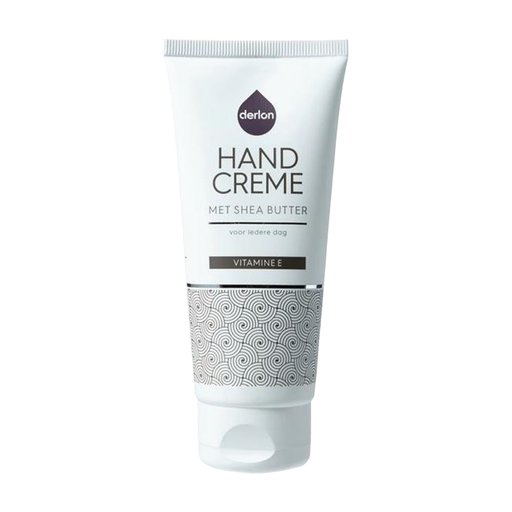
Why it suits this profile: An affordable option for anyone mainly looking after dry hands and wanting to try a simple cream first.
Its use is clearly defined as a hand cream, so you will not buy a face product for a different purpose.
100 ml content, with glycerine, shea butter and vitamin E according to the ingredients list.
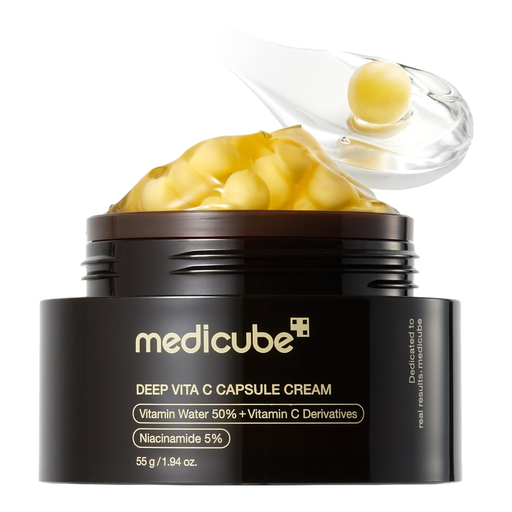
Why it suits this profile: For users who want to build an extensive Korean skincare routine centred around hydration and vitamin C.
The formula consists of a gel component and a vitamin C capsule. According to the product information, you can adjust the ratio to achieve your preferred texture.
55 g content, with 5% niacinamide, vitamin C and ferulic acid according to the product description.
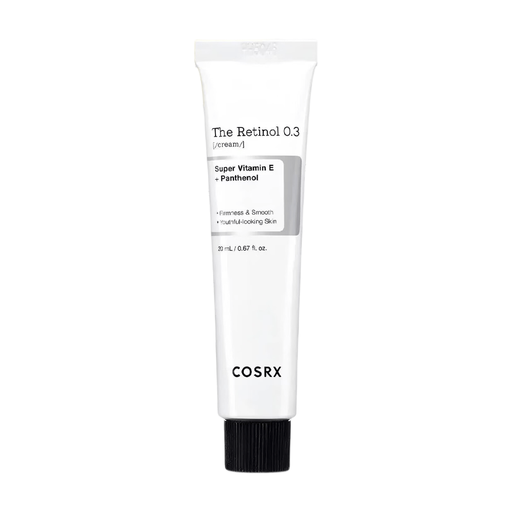
Why it suits this profile: For anyone who deliberately wants to add a retinol cream to an evening routine and follow the directions carefully.
The product information recommends building up use gradually, carrying out a patch test and avoiding simultaneous use with other retinol, AHA and BHA products.
Contains 0.3% retinol, panthenol, hyaluronic acid and vitamin E according to the ingredients list; intended for night-time use.
Not every cream is suitable for the same part of the body. A body cream often has a richer texture and is intended for larger areas. According to the product information, NIVEA Repair & Care Urea Body Cream contains glycerine, urea and provitamin B5 and is designed for very dry, rough body skin. The stated results are based on a self-assessment by 41 volunteers and should therefore not be viewed as a guarantee.
For everyday use on your hands, a hand cream is more practical. For your face, you can choose more specifically between a lightweight hydrating face cream, a vitamin C cream for the morning or an anti-ageing cream for the evening. Do not use active formulas all at once: introduce one new product at a time so you can identify more easily how your skin reacts.
We have put together a complete, up-to-date list of products that fully meet these strict selection criteria and the applicable European safety requirements.
You can usually apply a hydrating face cream morning and evening to cleansed skin. When using retinol, AHA or BHA, always follow the specific directions for use. Start active ingredients at a low frequency.
Check the expiry date and the open-jar symbol showing the period after opening on the packaging. Store the cream according to the instructions, usually tightly closed, in a dry place and away from direct sunlight. A change in smell, colour or texture may be a reason to stop using the product.
The price depends on the contents, brand, packaging and ingredients used. A higher price does not automatically prove that a cream is better suited to your skin. Before ordering, compare the millilitres, ingredients, intended use and any sun protection.
