
Vandaag of morgen in huis

Kwaliteit gegarandeerd

Welkomstaanbiedingen ontgrendelen: GRATIS bezorging | Tot 80% korting | Gratis 30 dagen JoyPlus-proefperiode
Download de app
Buying a new face cream may seem straightforward, but the differences between products can be significant. Are you mainly looking for hydration, a more even complexion, support for the skin barrier or a subtle tint? Then it is important to look beyond words such as “glow”, “brightening” and “anti-ageing”.
The three most common buying pitfalls:
Dry skin often benefits more from a richer cream containing ingredients such as glycerine, panthenol, oils or ceramides. For combination or oily skin, a gel cream or lightweight emulsion may feel more comfortable. Do not rely solely on the label: check the ingredients and the description of the texture too.
If you are looking for a cream for sensitive skin, you may wish to limit the number of fragrances and potential allergens. A fragrance-free formula is not automatically suitable for everyone, but it can be a sensible starting point. Stop using the product if persistent redness, itching or a burning sensation occurs.
Common ingredients in a hydrating face cream include glycerine, hyaluronic acid and panthenol. Ceramide NP, cholesterol and fatty acids are often found in formulas that, according to the product description, are designed to support the skin barrier.
In a brightening cream or a cream for pigmentation, you may see ingredients such as niacinamide, vitamin C derivatives, yuja extract or other plant extracts. According to the brand’s own research, such ingredients may contribute to a more even-looking complexion; this does not guarantee the same results for every user. Pigmentation can have various causes. For noticeable or changing marks, seeking advice from a doctor or dermatologist is wiser than relying solely on a cosmetic product.
Compare the volume: 30, 40, 50, 60 or 100 ml can make a significant difference to the cost of use. A pump bottle may also be more hygienic and easier to dispense than a jar, but the packaging format says nothing about how well the product works.
Also check whether the product is intended for morning use, evening use or both. A cream with SPF30 is usually a daytime product. Follow the packaging instructions for the correct amount and reapply after swimming, drying yourself or perspiring. According to the product information, no SPF product blocks all UV radiation.
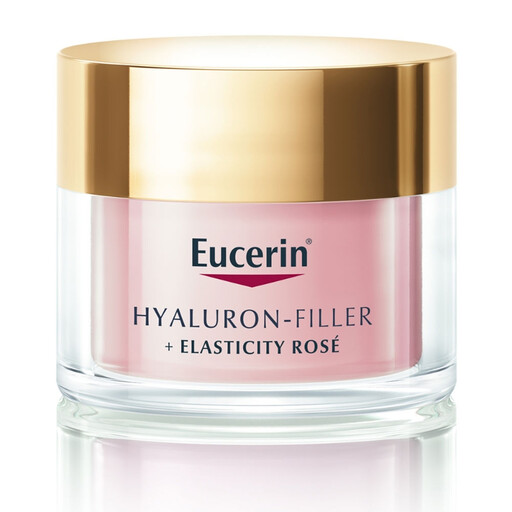
Why it suits this profile: A morning cream for anyone who wants to combine hydration, a rosy tint and SPF30 in one product.
The product details clearly state 50 ml, SPF30 and a rosy tint. This means you know in advance that the product is not colourless.
Pump bottle; SPF30; rosy colour; suitable for all skin types and sensitive skin according to the product listing.
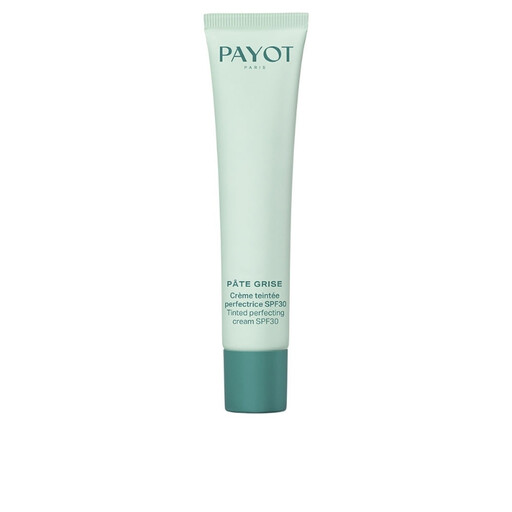
Why it suits this profile: Designed for adults with combination, oily or blemish-prone skin who want a matte, tinted finish.
The target audience and texture are described more specifically than with a general tinted cream. This reduces the chance of choosing a formula that is too rich for oily skin.
40 ml; SPF30; tinted cream; according to the product description, suitable for a matte and even-looking complexion.
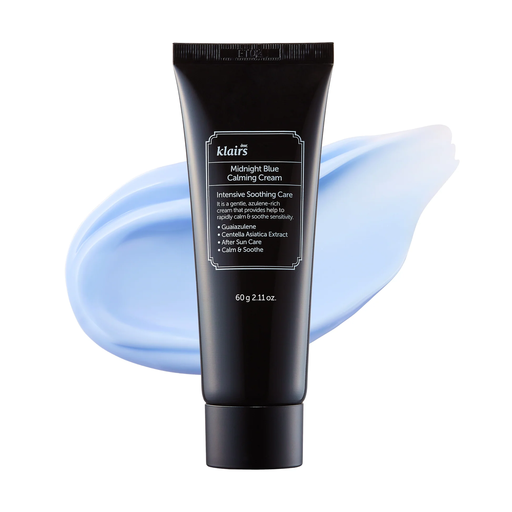
Why it suits this profile: A Korean face cream without fragrance, intended as the final step in a gentle evening routine.
The instructions recommend applying a small amount to sensitive areas. This prevents unnecessary product use and makes it easier to build up gradually.
60 g; contains centella asiatica, glycerine, ceramide NP and sodium hyaluronate according to the ingredients list; fragrance-free according to the product description.
A Korean face cream often contains several plant extracts, ferments or caring ingredients. This can be appealing if you follow an extensive routine, but more ingredients also make it harder to assess your skin’s tolerance to each one individually. Introduce one new product at a time.
Daily sun protection is important when using a brightening cream, especially if the formula contains vitamin C derivatives or fruit extracts. According to SOME BY MI’s product information, such ingredients may increase sensitivity to sunlight; therefore, use suitable sun protection during the day.
A tinted moisturiser or BB cream can save time in the morning. However, check the shade, coverage and SPF. The AHC Rose Gold Essence BB Cream SPF30 PA++ is, for example, described as a BB cream that can be used on its own, as the final skincare step or as a primer. The product description presents these effects as brand claims, so consider them a product feature that you should assess yourself on your skin and against your skin tone.
We have put together a complete, up-to-date list of products that fully meet these strict selection criteria and the applicable European safety regulations.
This depends on the product instructions and your skin type. Many creams are suitable for use once or twice a day. Apply after cleansing, preferably to slightly damp skin if the packaging allows this. During the day, use a product with suitable sun protection.
Check the expiry date and the symbol showing, for example, “12M” on the packaging. This symbol refers to the recommended period of use after opening. Store the cream in a cool, dry place away from direct sunlight. Has the scent, colour or texture changed? Do not use the product.
The price depends partly on the brand, volume, packaging and ingredients. Compare the price per 10 ml and consider whether you need a separate moisturiser, SPF and tint. A product that combines several steps is not automatically better value; finding the right match for your skin mainly helps you avoid disappointing purchases.
