
Vandaag of morgen in huis

Kwaliteit gegarandeerd

Welkomstaanbiedingen ontgrendelen: GRATIS bezorging | Tot 80% korting | Gratis 30 dagen JoyPlus-proefperiode
Download de app
Buying a new face cream might seem straightforward, until you have to choose between a hydrating face cream, a day cream, a light gel cream or a formula with active ingredients. Marketing copy often promises a radiant complexion, long-lasting hydration or fewer visible dark spots. Yet a striking claim doesn’t always mean the cream suits your skin and daily routine.
Instead, pay close attention to the ingredients list, the texture and the sun protection. That way, you can avoid buying a product that feels too greasy, stings when you use it, or ends up sitting unused in the bathroom after a few weeks.
A cream with SPF 15, SPF 25 or SPF 30 can be handy for daytime use, but the level of protection also depends on how much you apply and whether you reapply. A face cream with SPF does not automatically replace a separate sunscreen if you’re exposed to the sun for long periods.
Terms like “anti-ageing”, “brightening” and “against dark spots” should also be read in the right context. According to a brand’s own research, certain results can be reported, but they are not automatically the same for every user. So look for verifiable information such as SPF value, ingredients, volume and usage advice.
A cream for dry skin often contains more emollient and occlusive ingredients. That can be pleasant if your skin feels tight, but it’s less suitable when you have oily or combination skin. A light gel cream usually absorbs more quickly and can feel more comfortable under make-up.
Also pay attention to the application. A product for face and body can be good value, but the packaging and formulation are not always specifically tailored to facial skin.
A cream for sensitive skin is not automatically fragrance-free. So check for perfume, essential oils, alcohol denat. and known fragrance allergens such as limonene, linalool or citronellol. Vitamin C, AHAs and other active ingredients can also cause sensitivity in some users.
Always test a new product on a small area of skin first. If you experience a burning sensation, itching, swelling or persistent redness, stop using it and follow the safety information on the packaging.
Choose the texture based on how your skin feels and how you want to use the cream:
The order of ingredients on the label gives an indication of their proportion in the formula. Always check the actual packaging, because formulations can change.
A niacinamide cream can be interesting if you’re looking for a more even appearance and daily hydration. A vitamin C cream is often chosen for a dull complexion. Some formulas also mention AHAs or tranexamic acid. These ingredients require extra attention to sun protection and individual tolerance.
If you’re looking for an anti-ageing face cream, you can look for hydrating ingredients, antioxidants and ingredients like hyaluronic acid. Don’t expect guaranteed results: the effect depends on your skin, how often you use it and the rest of your routine.
A day cream with SPF can be a convenient step in the morning. Check whether protection against UVA and UVB is mentioned and what SPF value is stated. Products with SPF 15, SPF 25 and SPF 30 are available in the range, but no sun protection offers complete protection.
Apply a day cream evenly to your face and neck. In strong sun, after swimming, towelling dry or sweating, you need to reapply the protection according to the label. Preferably use a separate sunscreen when you’re outside for longer periods.
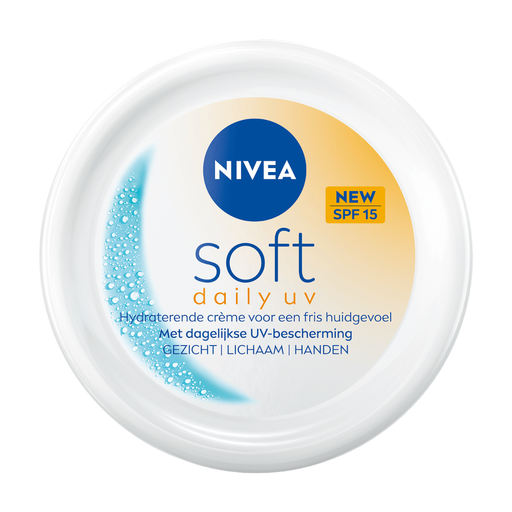
Why this fits the profile: The 250 ml pack is suitable for face, body and hands. The light texture and SPF 15 suit anyone looking for one versatile cream for daily use.
The product information states both the areas of use and the SPF value. This lets you assess the versatility and limited sun protection in advance.
250 ml volume, glycerine and jojoba oil in the ingredients list, light texture and SPF 15.
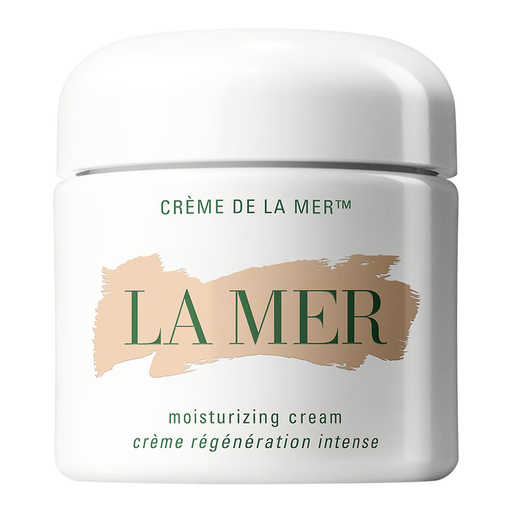
Why this fits the profile: According to the product description, the rich formula is intended for dry skin and can be used morning and evening.
The composition and application are clearly stated. Do check whether a rich texture suits your skin and whether fragrance or lanolin alcohol are suitable for you.
100 ml volume, rich cream for dry skin and use with a spatula included.
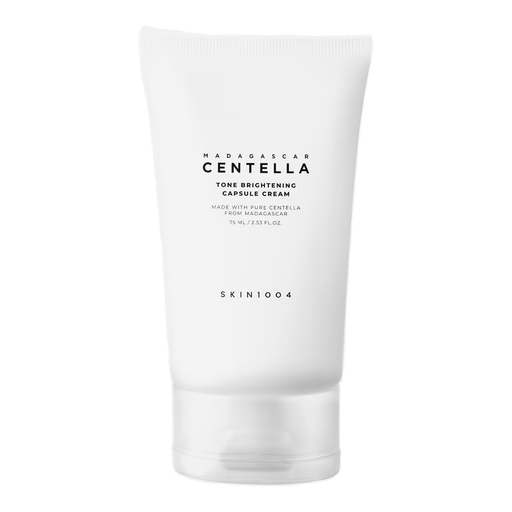
Why this fits the profile: This Korean face cream has a light gel-cream texture and, according to the product information, contains centella asiatica, niacinamide and tranexamic acid.
The formula states no perfume, alcohol or parabens. That makes selection easier, but a patch test is still wise for sensitive skin.
75 ml volume, light texture, fragrance-free according to the product data and niacinamide in the ingredients list.
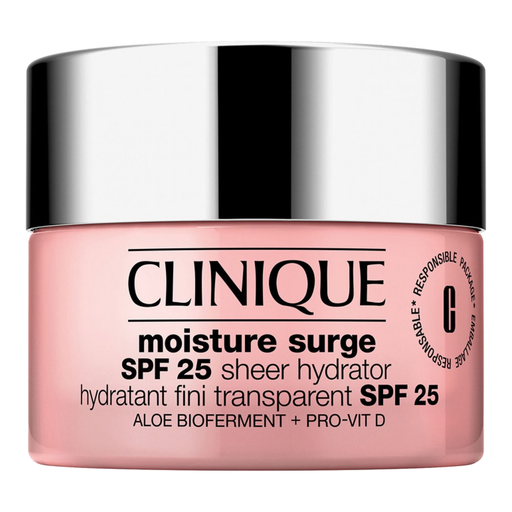
Why this fits the profile: The product information states a light texture, SPF 25 and a fragrance-free formula for all skin types.
The features are clearly described: fragrance-free, SPF 25 and suitable for morning use. If irritation occurs, you should stop using it.
50 ml volume, SPF 25, fragrance-free formula according to the product data and a transparent finish.
We’ve put together a full, up-to-date list of products that fully meet these strict selection criteria and comply with current European safety regulations.
Cleanse your face and then apply a serum if you wish. Use the face cream as the last step in your skincare routine. A small amount is usually enough; too much product can leave a sticky or heavy feeling.
Are you using a vitamin C cream, niacinamide cream or a formula with acids? Then don’t introduce several new active products at once. That way, you can better judge which product feels comfortable. Check the expiry date, batch information and warnings on the packaging for each product.
For most routines, once in the morning and possibly once in the evening is practical. A day cream with SPF is best used in the morning. Always follow the usage advice for the product you choose.
The shelf life is stated on the packaging. Check the expiry date and the symbol for the period after opening. Store the cream in a cool, dry place away from direct sunlight, and close the packaging tightly after use.
Look for a cream for dry skin with hydrating and emollient ingredients. For sensitive skin, a fragrance-free face cream, a short ingredients list and a patch test are useful points to consider. A rich cream can be comfortable, while a light gel cream is more pleasant if you quickly feel greasy.
