
Vandaag of morgen in huis

Kwaliteit gegarandeerd

Welkomstaanbiedingen ontgrendelen: GRATIS bezorging | Tot 80% korting | Gratis 30 dagen JoyPlus-proefperiode
Download de app
Buying a face cream seems simple until you have to choose between a hydrating face cream, day cream, night cream, gel cream or Korean face cream. Marketing copy often promises glowing skin, long-lasting hydration or a visibly firmer appearance. However, a striking claim does not always tell you whether the formula suits your skin and routine.
The right choice therefore starts not with the packaging, but with skin type, ingredients, texture, when you use it and size. Below, you’ll find the key points to check before ordering a face cream.
Words such as “intensive”, “restoring” and “anti-ageing” usually describe how a product is positioned. They do not guarantee the same result for every user. According to the product descriptions of some brands, a cream may help leave skin feeling hydrated, supple or comfortable. That is different from a medical effect or guaranteed improvement.
Pay attention to information you can verify:
A face cream containing hyaluronic acid may sound appealing, but the complete formula determines how the cream feels. Glycerine, panthenol, oils, silicones, ceramides and butters can also affect the texture and how it feels on the skin.
For example, a cream containing niacinamide may suit a routine focused on a more even-looking complexion or sebum care, but sensitive skin may still react to other ingredients in the same formula. When choosing a cream for sensitive skin, always check the full ingredients list.
A rich cream for dry skin can feel comforting when your skin feels tight, but may not work as well under make-up. A lightweight gel cream can feel comfortable during the day, while in the evening you may prefer a fuller formula. A large pack is not automatically better value if you dislike the texture and hardly use the product.
First, choose the need that matters most to you:
Hyaluronic acid comes in various forms, such as sodium hyaluronate and hydrolyzed hyaluronic acid. Ceramides and related lipids are often used in formulas designed to provide a comfortable skin feel and support the skin barrier. Niacinamide is a widely used skincare ingredient for hydration and a more even-looking complexion.
However, you should read a brand claim in the right context. According to Dr. Althea’s product information, the 147 Barrier Cream contains seven types of hyaluronic acid and ceramides. These are verifiable formula details; they do not guarantee a personal result.
A day cream is often designed with a lighter texture or to work as a base under make-up. A night cream may be richer and is usually applied at the end of your evening routine. Also look at the size: a 100 ml jar may work out cheaper per use than a 30 ml pack, but only if the formula suits you.
Check the packaging for the best-before date and the period after opening, often shown with an open-jar symbol. Do not continue using a product if its smell, colour or texture changes noticeably.
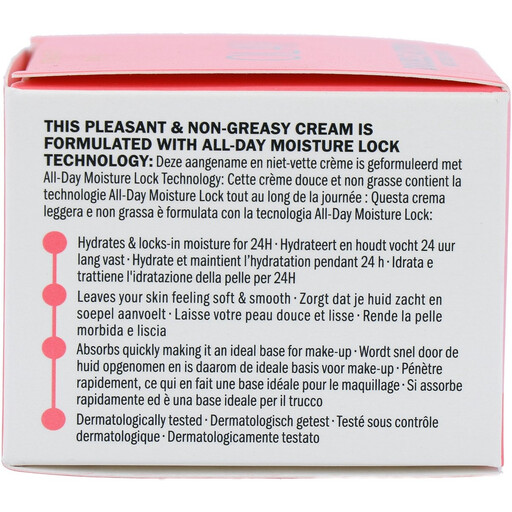
Why it suits this profile: The product description states that it has a lightweight formula for normal to dry skin and can also be used as a base under make-up. This makes the cream practical for a simple morning routine.
Its primer function and suitability for normal to dry skin are clearly described. However, check the ingredients and the warning about contact with the eyes.
50 ml; lightweight texture; intended for daily use and as a make-up base.

Why it suits this profile: If you are looking for a lightweight, fragrance-free gel cream, the product information states that this formula is suitable for dry, very dry, combination and oily skin.
The formula, size and properties are clearly stated: gel cream, 30 ml, alcohol-free, fragrance-free and non-comedogenic according to the product details.
Lightweight gel texture; fragrance-free; suitable for morning and evening; according to the instructions, it can also be used as a mask.
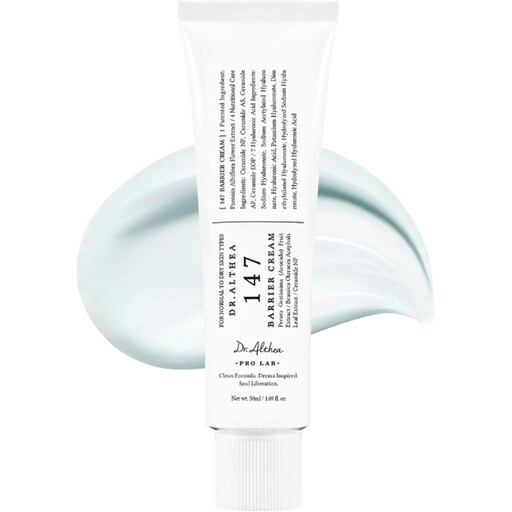
Why it suits this profile: This Korean face cream is aimed at users looking for a richer cream containing ceramides and several forms of hyaluronic acid.
The product description highlights the key formula components rather than simply making a general claim about hydration. Check the current INCI list on the packaging.
50 ml; seven types of hyaluronic acid according to the product description; contains ceramides and vitamin E.
We have compiled a complete, up-to-date list of products that fully meet these strict selection criteria and the applicable European safety regulations.
Apply the cream to cleansed skin. A small amount is usually enough; always follow the instructions on the packaging. If you use a serum, apply your face cream afterwards in most cases. During the day, sun protection should be the final step when this is recommended by your routine or the product information.
For sensitive skin, preferably introduce one new product at a time. First test a small amount on a limited area of skin and stop using it if you experience persistent redness, itching, swelling or a burning sensation. If symptoms are severe or continue, it is advisable to seek advice from a doctor or dermatologist.
Look for a combination of moisturising ingredients, such as glycerine or hyaluronic acid, and soothing ingredients such as shea butter, squalane or oils. A cream for dry skin can be richer, especially in the evening. Consider the texture if you want to use the cream under make-up.
You can if the instructions for use allow it. A day cream is often lighter and may work well under make-up. A night cream is usually richer, but the difference varies from product to product. So check the label and do not make assumptions based on the name alone.
This varies depending on the formula and packaging. Check the open-jar symbol, best-before date and the manufacturer’s instructions. Close the packaging properly after use and store the cream somewhere cool and dry, away from direct sunlight.
