
Vandaag of morgen in huis

Kwaliteit gegarandeerd

Welkomstaanbiedingen ontgrendelen: GRATIS bezorging | Tot 80% korting | Gratis 30 dagen JoyPlus-proefperiode
Download de app
Face cream may seem like a simple product, but the choice ranges from lightweight gel creams to rich night creams containing retinol. As a result, you may end up paying for ingredients or promises that don’t suit your skin type or routine.
Look out for these three common pitfalls:
For dry skin, a richer moisturising face cream containing glycerine, hyaluronic acid, squalane or shea butter may be a good fit. Oily or combination skin usually benefits more from a lightweight lotion or gel cream. If you have sensitive skin, don’t rely on the word “gentle” alone: check the ingredients list for fragrance, alcohol and essential oils too.
A formula marketed as “suitable for all skin types” may be convenient, but that doesn’t mean everyone will find its texture comfortable or tolerate it equally well. If you’re unsure, test a small amount on a limited area of skin first.
A product’s name doesn’t always tell you how much of an ingredient it contains. Check the full ingredients list and the specific product information.
Brands may report certain results based on their own research or user trials. Treat these figures as information from the manufacturer, not a personal guarantee.
A day cream should feel comfortable under make-up or sun protection. A product with SPF can be especially convenient, but check the stated level of protection and apply enough. A cream with SPF doesn’t automatically replace all other sun protection during prolonged exposure to direct sunlight.
A night cream can be richer and doesn’t need to work under make-up. If you use retinol cream, it’s usually best to add it to your evening routine and use sun protection during the day. Always follow the label and stop using the product if irritation persists.
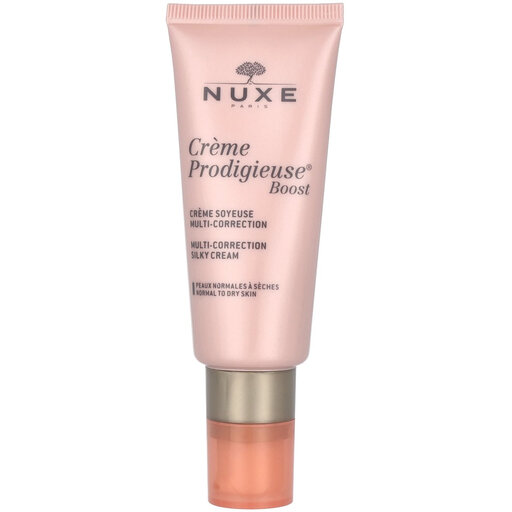
Why it suits this user: Its lightweight, silky texture is designed for daily use in the morning and/or evening. That makes this cream an easy choice if you’re looking to build a simple routine.
The product information describes a fast-absorbing, non-greasy texture and says it’s suitable for all skin types. If you have sensitive skin, check the full ingredients list too.
40 ml, in a tube; described as non-comedogenic in the product information and suitable for use on the face and neck.
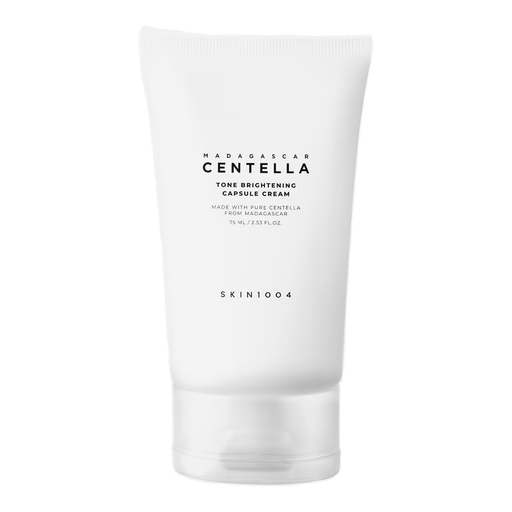
Why it suits this user: This Korean skincare cream pairs a lightweight texture with a comprehensive ingredients list, making it a good option if you pay close attention to ingredients and skin comfort.
The listed formula includes centella asiatica, niacinamide, tranexamic acid and panthenol. This means you can assess the product by its ingredients rather than relying on marketing claims alone.
75 ml, fragrance-free and alcohol-free according to the product information; described as suitable for sensitive, dry, combination and oily skin, among other skin types.
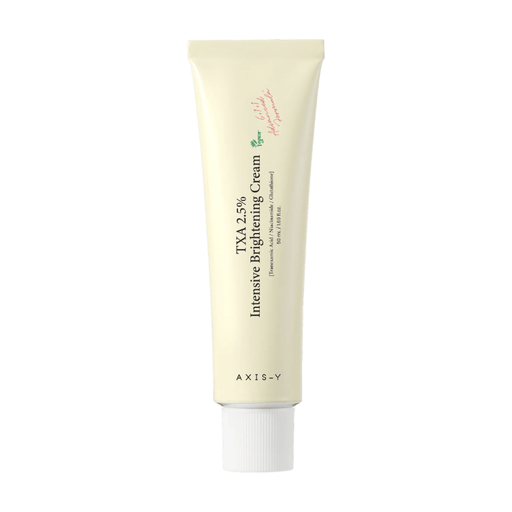
Why it suits this user: The ingredients list is clearly geared towards uneven skin tone, making this a good choice for a targeted rather than general skincare routine.
The formula lists 2,5% tranexamic acid and niacinamide. The product instructions also recommend using sun protection during the day.
50 ml, with ceramide NP, panthenol and several forms of hyaluronic acid according to the listed ingredients.
We’ve put together a complete, up-to-date list of products that meet these strict selection criteria and current European safety regulations.
Always check the expiry date, the period-after-opening symbol and the full instructions for use on the packaging. Stop using the product if you experience redness, swelling or persistent irritation. If you have an existing skin condition, it may be best to speak to a doctor or pharmacist.
Check the expiry date or the period-after-opening symbol on the packaging. Store the cream in a cool, dry place away from direct sunlight. If its smell, colour or texture changes, stop using it.
No. Compare the volume in millilitres, ingredients, texture, packaging and intended use. A simple moisturising face cream may suit your routine better than an expensive product with lots of active ingredients you don’t need.
Yes, as long as both products suit your skin and routine. For example, use a lighter day cream under sun protection and a richer night cream in the evening. If you use retinol or acids, it’s best to follow the manufacturer’s instructions and build up your routine gradually.
