
Vandaag of morgen in huis

Kwaliteit gegarandeerd

Welkomstaanbiedingen ontgrendelen: GRATIS bezorging | Tot 80% korting | Gratis 30 dagen JoyPlus-proefperiode
Download de app
A face cream may seem like a simple product, but the wide range of options can make choosing difficult. Are you looking for a moisturising face cream, a cream for dry skin or perhaps a lightweight gel for oily skin? An eye-catching package or promise such as “immediately visible results” is not a good reason to buy.
As a Joybuy Product Recommendation Officer, I cut through marketing language and focus on verifiable features. This helps you see more quickly which face cream suits your skin type, routine and budget.
More ingredients do not automatically mean a better formula. Pay particular attention to the function of the key ingredients:
The order of the ingredients gives an indication of the quantity, but the effect varies from one skin type to another. A face cream with hyaluronic acid may feel comfortable on dehydrated skin, while dry skin may also need richer ingredients.
A soothing face cream may contain ingredients such as centella asiatica, panthenol, guaiazulene or ceramide NP. That does not automatically make the cream suitable for everyone. Plant extracts, essential oils and fragrance can also cause discomfort for some users.
Always check the current INCI list on the packaging. According to the manufacturer's product information, for example, Dear, Klairs Blue Calming Cream contains no fragrance and does contain centella asiatica, niacinamide and ceramide NP. These are verifiable product specifications, not a guarantee of a particular skin reaction.
A body cream can feel rich and comfortable, but it is not necessarily formulated for the face. The range includes products such as Sence Bodycream Coconut and Sol de Janeiro Bom Dia Bright Body Cream, which are intended for the body. Do not use these as face creams without checking the product packaging and instructions for use.
The texture determines how comfortable the cream is to use every day.
A 100 ml jar may seem good value, but a rich cream may require less per application than a thin lotion. Therefore, check:
Test a new face cream on a small area of skin first. Stop using it if you experience a burning sensation, swelling, itching or other clear irritation. Do not apply a product to damaged skin and avoid contact with the eyes.
“Vegan”, “clean”, “dermatologically tested” and “Korean” are not substitutes for checking the ingredients. A vegan face cream may suit your preferences, for example, but on its own this says nothing about its texture or suitability for dry skin.
You should also read brand research in context. According to iUNIK's own research, the Centella Calming Gel Cream is said to soothe the skin and reduce excess sebum. Treat this as a brand claim, not as a personal result that is guaranteed for every user.
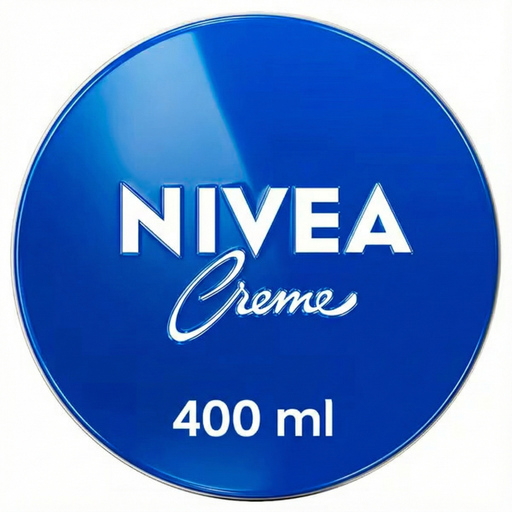
Why it suits this profile: The generous size and suitability for the face, body and hands make this a practical choice for anyone who wants to use one product for all their skincare needs.
The product information clearly states the size, areas of use and presence of fragrance allergens, including limonene and geraniol.
400 ml, suitable for the face and body, with glycerine and panthenol according to the listed ingredients.

Why it suits this profile: Fans of Korean skincare get a gel cream with five specified forms of hyaluronic acid and a detailed ingredients list.
The product page mentions both the lightweight texture and the oils, ceramide NP, panthenol and several forms of hyaluronic acid. This allows you to compare the formula more effectively than relying solely on the “intensive hydration” claim.
100 ml, an ethanol-free formula according to the product description, and suitable for normal, dry and mature skin.
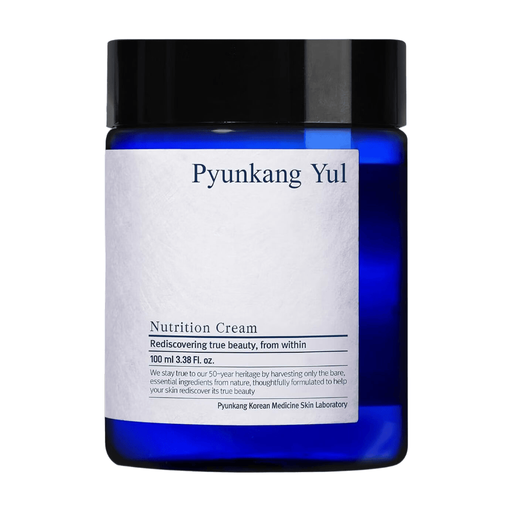
Why it suits this profile: Anyone looking for a nourishing night cream for dry or demanding skin gets a richer formula with 100 ml of product.
The description states that the formula is fragrance-free and mentions shea butter, jojoba oil and astragalus root extract. However, check the current packaging and ingredients list before buying.
Rich moisturiser, 100 ml and, according to the product information, free from fragrance and other listed irritants.
We have put together a complete, up-to-date list of products that fully meet these strict selection criteria and the applicable European safety regulations.
Start with a gentle cleanser, then apply a small amount of face cream to slightly damp skin. During the day, a separate sunscreen should be part of your routine when you are outdoors. Do not use active formulas, such as a cream with retinal or AHA, BHA and PHA, without reading the warnings and instructions for use.
A cream for sensitive skin does not have to feel the same at every moment. In winter, a richer layer may feel comfortable, while during a warm, humid British summer you may prefer a lightweight gel texture. Adjust the amount before immediately changing products.
In most cases, you can use a face cream after cleansing in the morning and evening, if this is stated on the packaging. Start with a small amount and only apply more if your skin still feels tight.
Check the expiry date and the period-after-opening symbol, such as 6M or 12M. Close the packaging securely and store the cream according to the label, usually in a dry place away from direct sunlight. If the smell, colour or texture changes significantly, check the packaging before using the product again.
Look for a formula containing both humectants and soothing ingredients, such as glycerine, hyaluronic acid, panthenol, shea butter or ceramides. Limit fragrance and introduce one new product at a time. If irritation persists or is severe, seeking advice from a doctor or dermatologist is wiser than continuing to experiment.
