
Vandaag of morgen in huis

Kwaliteit gegarandeerd

Welkomstaanbiedingen ontgrendelen: GRATIS bezorging | Tot 80% korting | Gratis 30 dagen JoyPlus-proefperiode
Download de app
A face cream may seem simple to choose, but products vary considerably in their ingredients, texture and intended use. A lightweight gel can feel pleasant on shiny skin, while a richer cream may be better suited to dry skin. Sensitive skin also requires extra care when it comes to fragrance, alcohol and potential allergens.
Pay particular attention to these three common pitfalls:
Cosmetics sold in the European Union must list ingredients using their INCI names. Ingredients are generally listed in descending order of concentration, although ingredients used in small quantities may be listed differently.
For example, when choosing a hydrating face cream, look for:
A fragrance-free product is not automatically suitable for everyone. If you have previously experienced an allergic reaction, also check plant extracts, aromatic essential oils and preservatives.
A cream for dry skin often contains more emollient and occlusive ingredients. These may include oils, butters, silicones or fatty ingredients. For combination or oilier skin, a gel-cream may feel more pleasant because it feels less heavy.
For a face cream for sensitive skin, a short ingredients list, a fragrance-free formula and a gradual introduction are practical points to consider. Test a new product on a small area of skin first. Stop using it if you experience irritation, redness, itching or a burning sensation, and follow the safety information on the packaging.
Do not compare the price alone; also compare the size: 30 ml, 40 ml, 50 ml, 85 ml and 100 ml are all common sizes. Also check whether it is a day cream for the face, a night cream for the face or a product intended for both times of day.
When using ingredients such as salicylic acid or retinoids, it is important to follow the warnings and directions for use. Garnier, for example, states that the SkinActive formula contains salicylic acid, is not intended for children under 3 years old and should not come into contact with the eyes. Use sun protection during the day when advised in the product information.
The selection below is based on verifiable information such as ingredients, size, texture and stated intended use. A brand claim about improving or soothing the skin is not presented here as a guaranteed result.
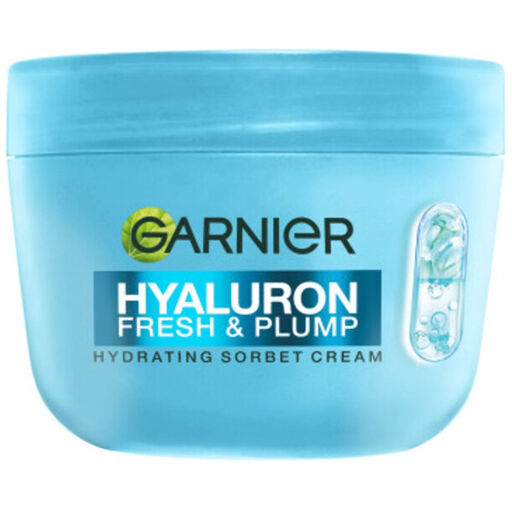
Why it suits this profile: An accessible size for anyone wanting to try a daily moisturiser containing glycerine, niacinamide, aloe vera and sodium hyaluronate. Its sorbet-like positioning suits users looking for a lighter texture.
The ingredients list makes it clear that the formula also contains fragrance, alcohol denat. and salicylic acid. This allows you to assess in advance whether it suits your skin and routine.
85 ml size; glycerine, niacinamide and sodium hyaluronate in the formula; clear warning about eye contact.
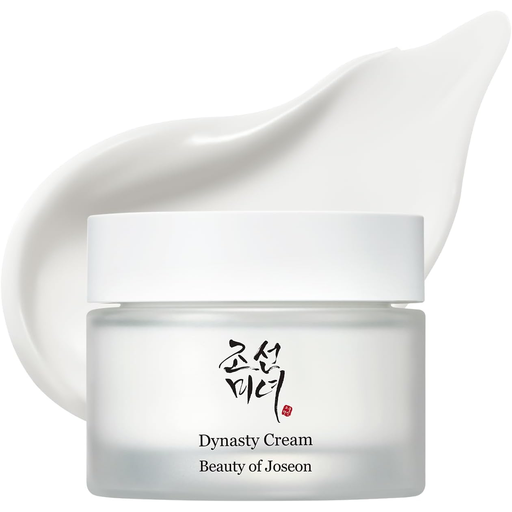
Why it suits this profile: This Korean face cream has a richer, creamy texture containing, among other ingredients, rice extract, ginseng, niacinamide, panthenol and sodium hyaluronate. It suits anyone looking for a nourishing layer and a radiant finish.
The formula is not based on a single trending ingredient: it lists a broader blend of humectants, emollients and plant extracts. Always check the packaging for the exact contents.
Rich cream texture; contains niacinamide, panthenol and sodium hyaluronate; suitable for use in the morning and evening according to the product information.
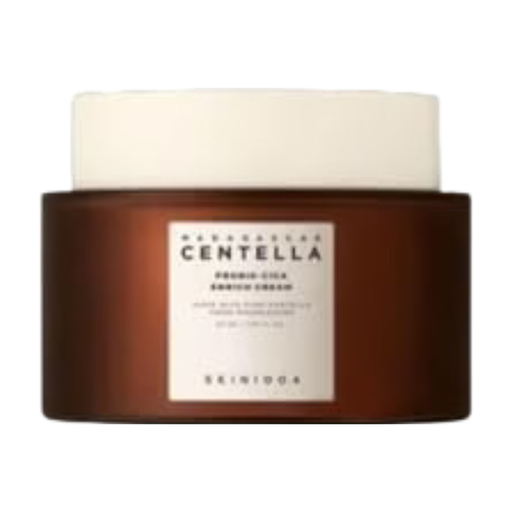
Why it suits this profile: The formula contains centella asiatica, shea butter, squalane, ceramide NP and sodium hyaluronate, among other ingredients. The compact size is practical for trying it first or taking it with you.
Rather than focusing only on a “repair” claim, you can see which barrier-supporting ingredients are listed. Do not use it on damaged skin and stop using it if irritation occurs.
Ceramide NP and squalane; intended for the face and neck; use in the morning and evening is indicated.
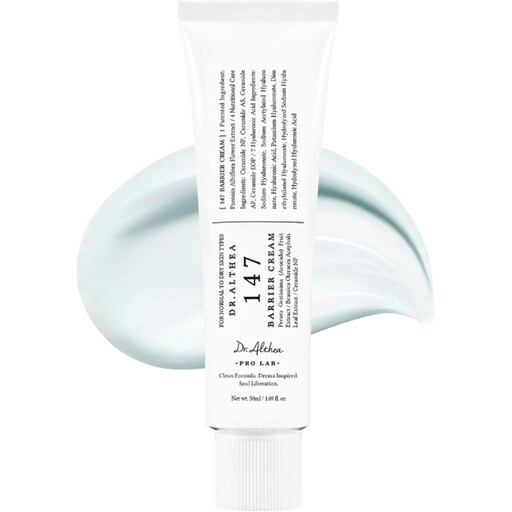
Why it suits this profile: According to the product description, this Korean moisturiser contains seven types of hyaluronic acid, ceramides and guaiazulene. The cream suits anyone looking for a nourishing formula to support the skin barrier.
The product description names specific ingredients rather than making only a general hydration claim. Before buying, check the current packaging and ingredients list for potential allergens.
Seven stated forms of hyaluronic acid; ceramides in the formula; 50 ml size.
We have put together a complete, up-to-date list of products that fully meet these strict selection criteria and the applicable European safety regulations.
Apply the cream to cleansed skin. A small amount is usually enough; applying too much product can feel sticky or pill beneath make-up. Use a serum first if it is part of your routine, then finish with the cream. During the day, sun cream should be the final skincare step unless the product information recommends a different order.
A night cream for the face may be richer than a daytime product, but the main difference lies in the texture and additional ingredients. A separate anti-ageing face cream is not essential. Instead, choose based on skin comfort, ingredients and the routine you can maintain every day. According to a brand’s own research, products such as bakuchiol or niacinamide may support certain skin goals; these claims are not a guarantee of the same result for every user.
For most routines, applying it once in the morning and once in the evening is sufficient, provided this matches the directions for use. If you have oily skin, a smaller amount or a gel-cream may feel more comfortable. Dry skin may benefit from a richer layer, particularly in cold or dry weather.
Check the expiry date and the open-jar symbol on the packaging. Some products state, for example, that they should be used within 6 or 12 months of opening. Store the cream in a cool, dry place away from direct sunlight. Close the jar or tube securely after use.
No. Price alone does not indicate how well a formula suits your skin. Compare the size, ingredients, fragrance status, texture and directions for use. An affordable cream with the right composition may be more practical than an expensive product that you hardly use because of its fragrance or texture.
