
Vandaag of morgen in huis

Kwaliteit gegarandeerd

Welkomstaanbiedingen ontgrendelen: GRATIS bezorging | Tot 80% korting | Gratis 30 dagen JoyPlus-proefperiode
Download de app
Choosing a new face cream may seem simple, but formulas can vary considerably in texture, ingredients and how you use them. A rich cream may feel comfortable on dry skin, while the same formula may feel too heavy on oilier or blemish-prone skin. Terms such as ‘lifting’, ‘repair’ and ‘deep hydration’ also don’t automatically tell you what to expect in practice.
The following points will help you assess marketing claims more carefully and choose a face cream that suits your skin type and routine.
Brands often describe skin as visibly smoother, firmer or plumper. These are usually claims based on brand communications or specific usage studies. For example, according to 111SKIN’s own research, Celestial Black Diamond Cream may improve the appearance of wrinkles and skin elasticity after four weeks. These results won’t necessarily be the same for everyone.
So, look for information you can check, too:
A moisturising face cream with hyaluronic acid can help the skin’s surface retain moisture, but the overall formula determines how the cream feels. Dry skin often benefits from a combination of humectants, emollient oils and ingredients that form a protective layer.
For sensitive or blemish-prone skin, a short, easy-to-follow ingredients list may be more practical. If possible, check the full ingredients list and test a new product on a small area of skin first.
A 50 ml jar is a common size, but it isn’t always the best-value option. The amount you use each time, whether you apply it in the morning or evening, and its shelf life after opening all affect how long it will last. A 75 or 100 ml product may offer better value per millilitre, while a compact jar may be more convenient for travelling.
Pay attention to the packaging, too. Cream in a jar is exposed to air and fingers more often. Wash your hands before use and always follow the instructions on the label.
Choose a cream to suit your main concern:
A day cream is usually lighter and should sit well under sun cream or make-up. Check whether the product actually has an SPF rating; an ordinary moisturiser without SPF is no substitute for separate sun protection.
A night cream can be richer, as you won’t need to apply make-up over it. According to the product information, Nuxe Crème Prodigieuse Boost Night Balm contains macadamia oil, glycerine and squalane, among other ingredients. It’s intended for evening use and is described by the brand as non-comedogenic.
Ingredients are listed in descending order by quantity, although there are exceptions for small amounts. Look for familiar ingredients that suit your needs:
A claim such as ‘dermatologically tested’ describes a testing or assessment process, but doesn’t tell you how many people took part or how the results were measured. Treat it as additional information, rather than the deciding factor when making a purchase.
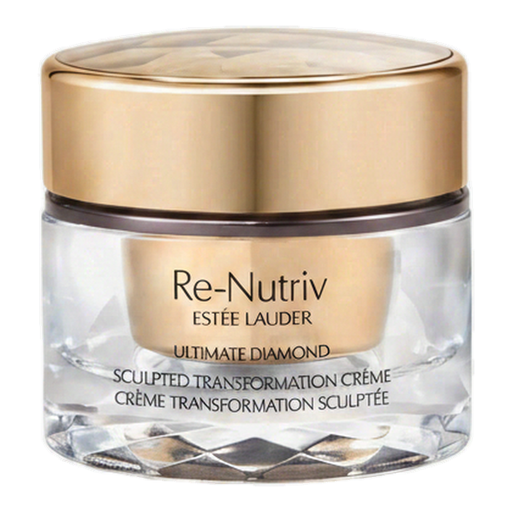
Why it suits this profile: This 50 ml face cream has a rich texture, is intended for all skin types and is described as hydrating, smoothing and nourishing.
The product details cover the size, how to use it, its texture and testing information. Check whether the rich texture suits your skin.
50 ml; face cream; described in the product information as dermatologically and ophthalmologically tested.
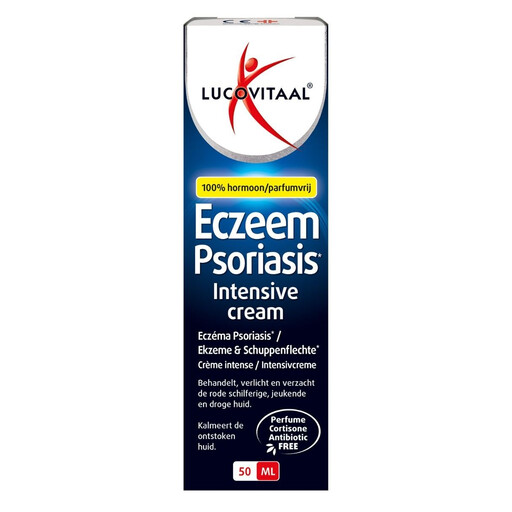
Why it suits this profile: According to the product information, this is a medical device for adults with eczema or psoriasis, intended for specific areas of dry or irritated skin.
Its intended use is clearly defined. Read the leaflet before use, and don’t use it as a general day cream without a specific reason.
50 ml; fragrance-free formula according to the product information; use once or twice a day as directed.
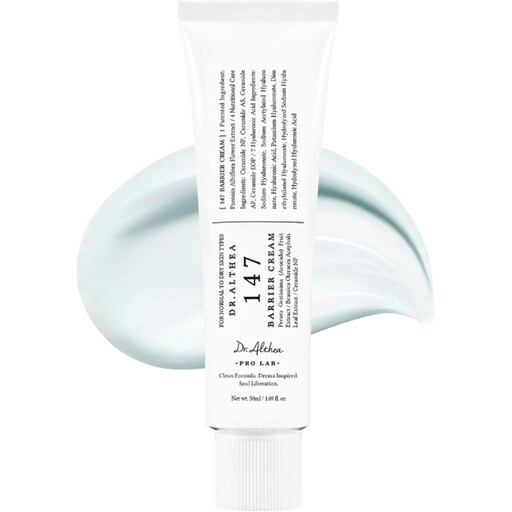
Why it suits this profile: The formula lists seven types of hyaluronic acid, ceramides, panthenol and guaiazulene. This may appeal if you’re looking for a Korean skincare cream for hydration and comfort.
The ingredients are listed clearly. Still, check the full packaging and stop using the product if you experience redness, itching, swelling or a burning sensation.
50 ml; contains ceramides and several forms of hyaluronic acid; intended as the final step in your skincare routine.
We’ve put together a complete, up-to-date list of products that meet these strict selection criteria and current European safety regulations.
It depends on the product instructions and your skin type. You’d typically use a day cream in the morning and a night cream in the evening. Apply a small amount to clean skin. Using too much can feel heavy or sticky and means you’ll get through the product faster.
Look for the open-jar symbol, for example 6M or 12M. This shows the recommended period for using the product after opening. Derlon Night Cream, for instance, states 6 months after opening. Store the cream in a cool, dry place away from direct sunlight. If its smell, colour or texture changes noticeably, stop using it.
Creams for dry skin often contain a combination of humectants and emollient ingredients, such as glycerine, hyaluronic acid, shea butter, squalane or plant oils. Choose a richer texture if your skin feels tight, but be mindful of possible fragrance allergies. If redness, flaking or itching persists, seek medical advice rather than relying on a cosmetic cream alone.
