
Vandaag of morgen in huis

Kwaliteit gegarandeerd

Welkomstaanbiedingen ontgrendelen: GRATIS bezorging | Tot 80% korting | Gratis 30 dagen JoyPlus-proefperiode
Download de app
Choosing a new face cream might seem straightforward, but marketing claims can make it hard to compare products. A cream may be described as “intensely hydrating”, “soothing” or “anti-ageing”, even when its formula isn’t suited to your skin type or routine.
Watch out for these three common pitfalls:
A hydrating face cream helps your skin retain moisture, but the texture you want will depend on your skin type:
A product described as suitable for all skin types won’t necessarily meet everyone’s individual needs. Consider the size, too. A 50 ml jar or tube is handy for everyday use, while 75 or 100 ml may offer better value if you apply cream generously to your face and neck.
Ingredients are listed in descending order of quantity, although this doesn’t predict exactly how every ingredient will perform. Look out for:
Always check the packaging of the product you receive, as ingredients lists can change. Test a new cream on a small area of skin first, and stop using it if you experience persistent redness, itching, swelling or a burning sensation.
Cosmetics sold in the EU must include information such as an ingredients list, durability details and the name and address of a responsible person. A CE mark is not the relevant conformity marking for ordinary cosmetics, as it is for certain technical products.
Also check:
An anti-ageing face cream is no substitute for sun protection. If you’re using a retinol cream or a product with other active ingredients, it’s best to introduce it gradually.
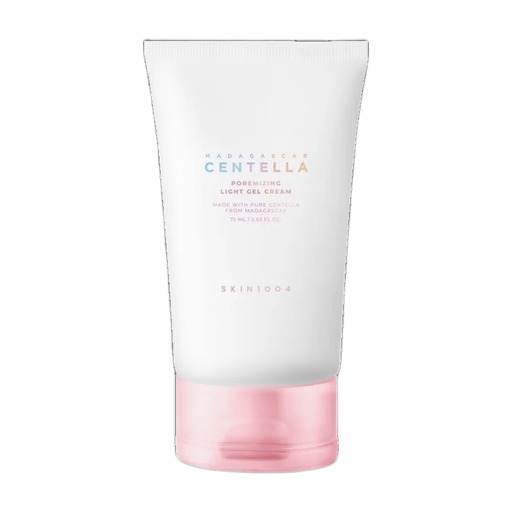
Why it suits this user: Its lightweight gel texture and 75 ml size make it a good fit if you’re looking for a simple facial moisturiser that doesn’t feel heavy.
The product information lists glycerine, niacinamide, panthenol and several forms of hyaluronic acid. This lets you assess the formula more concretely than relying on a marketing claim alone.
75 ml; gel cream; contains centella asiatica, panthenol and hyaluronic acid according to the listed ingredients.
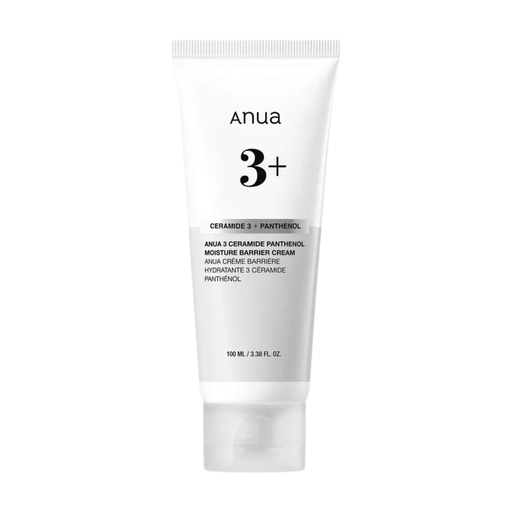
Why it suits this user: Its generous size and combination of ceramides, panthenol, glycerine and squalane make it a good match for a more involved routine for dry or sensitive skin.
The ingredients list shows that the cream doesn’t rely on a barrier claim alone: it also contains ceramide NP, ceramide EOP, panthenol and hyaluronic acid.
100 ml; several ceramides; panthenol, squalane and allantoin in the listed formula.
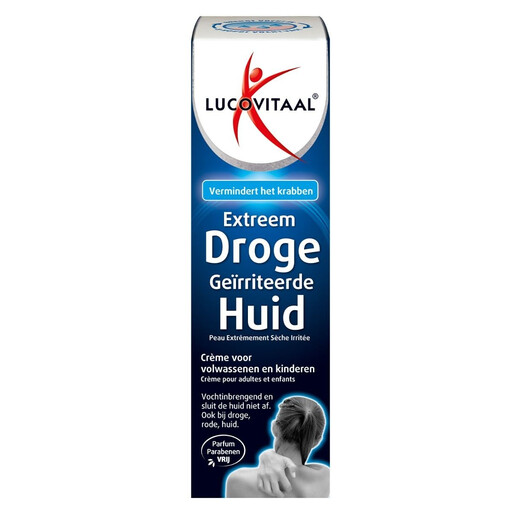
Why it suits this user: The product information says it is intended for adults and children, and describes use on dry, chapped skin.
The formula lists glycerine, panthenol, shea butter, ceramide NP and hyaluronic acid, among other ingredients. It is also described as fragrance-free.
50 ml; fragrance-free according to the product details; recommended for use two to three times a day.
We’ve put together a complete, up-to-date list of products that meet these strict selection criteria and the applicable European safety requirements.
Most hydrating creams are used once in the morning and once in the evening, unless the packaging says otherwise. Apply the cream to clean skin. Sun protection should be the final step in your daytime routine, unless your day cream already contains a suitable SPF. If it does, check the stated level of protection and apply enough product.
Check the use-by date and the period-after-opening symbol on the packaging. Store the cream in a cool, dry place away from direct sunlight. If its smell, colour or texture changes, stop using it. Following the storage instructions is especially important for retinol products.
The price depends on the brand, size, packaging and active ingredients. So compare more than just the price per pack: check the price per millilitre and whether the ingredients suit your skin’s needs. A larger pack is only better value if you use the cream before it expires.
