
Vandaag of morgen in huis

Kwaliteit gegarandeerd

Welkomstaanbiedingen ontgrendelen: GRATIS bezorging | Tot 80% korting | Gratis 30 dagen JoyPlus-proefperiode
Download de app
Choosing a new face cream might seem straightforward, but the range on offer is vast. Are you looking for a hydrating face cream, a cream for sensitive skin, or perhaps a night cream? You’ll quickly come across terms like “barrier-repairing”, “glow” and “anti-ageing”. These words don’t always tell you enough about the formula, texture, or suitability for your skin.
Instead, pay close attention to the ingredients list, the usage instructions, and the skin need the product is designed for. Below are the key points to consider, followed by three popular choices for different user profiles.
Words like “soothing”, “repairing” or “anti-redness” often describe a product’s positioning. They are no guarantee that every skin type will react the same way. According to a brand’s product description, certain ingredients may help the skin feel more comfortable, but that is different from a medically proven effect.
For persistent redness, acne, eczema or psoriasis, a standard face cream is not automatically sufficient. A product sold as a medical device must be used according to the patient information leaflet and packaging.
A hyaluronic acid cream can attract moisture, but the overall formula determines how the cream feels and how suitable it is for your skin. Even a ceramide cream does not always contain the same types of ceramides or the same amount.
So look at the combination of humectants such as glycerine and hyaluronic acid, emollient ingredients like oils and shea butter, and supporting lipids such as ceramides, cholesterol and phytosphingosine.
A rich cream can be pleasant for dry skin, but may feel heavy on oily or combination skin. Conversely, a light gel cream may not be comfortable enough for very dry skin.
Also check whether perfume, essential oils or alcohol denat. appear in the ingredients list. That does not automatically mean a product is unsuitable, but for sensitive skin, a simple, fragrance-free formula is often a practical choice. If in doubt, first test a small amount on a limited area of skin.
A hydrating face cream often contains glycerine, betaine, panthenol or hyaluronic acid. These ingredients support the moisture content of the upper skin layers. A cream with squalane, oils, fatty acids or silicones can additionally help lock in moisture for longer.
For a cream for dry skin, a richer texture is usually the logical choice. For oily or acne-prone skin, a light, non-greasy formula may be more comfortable. If you have acne-prone skin, check whether the product information states a non-comedogenic formula. Even then, individual skin reaction remains important.
A barrier-repairing cream is generally aimed at comfort and reducing moisture loss. Ingredients such as ceramide NP, ceramide AP, cholesterol, panthenol and centella asiatica are common in this type of formula.
According to the product description from, the Ceramide Skin Barrier Moisturizer contains multiple ceramides, cholesterol, phytosphingosine and different forms of hyaluronic acid. The packaging remains the definitive source for the current ingredients list.
A day cream often has a lighter texture and needs to work well with sunscreen or make-up. A night cream can be richer, as a greasy feel is less of an issue for most users at that time.
Pay attention to active ingredients. A cream with glycolic acid or vitamin C may require extra attention to sun protection. According to the product information from Topicrem, the AH Theavit Renewing Cream contains glycolic acid and the formula is intended for exfoliating care. Build up use gradually and stop if irritation occurs.
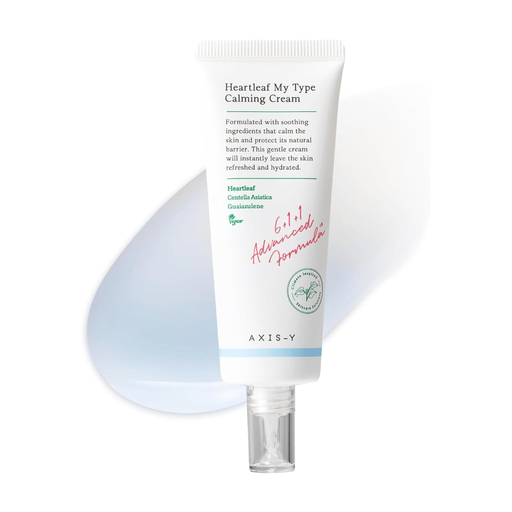
Why this fits the profile: According to the product description, this light cream is designed for oily and combination skin. The texture can also be used as a make-up base.
The product information clearly states the skin types and usage, so you don’t have to rely solely on a general glow claim.
60 ml content; light, silky texture; according to the product description, vegan and free from synthetic fragrances.

Why this fits the profile: This Korean skincare cream is aimed at users who are specifically looking for ceramides, hyaluronic acid and a barrier-focused formula.
The full ingredients list makes it clear that the formula is not based on a single active ingredient.
80 ml; ceramides NP, NS, AP, AS and EOP; multiple forms of hyaluronic acid; a patch test is recommended for sensitive skin.
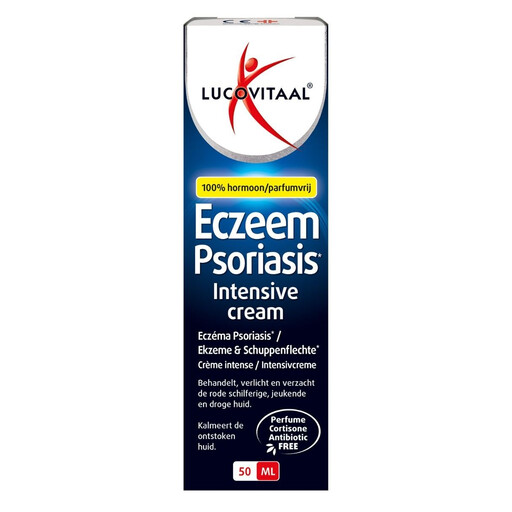
Why this fits the profile: According to the product information, this cream is a medical device for adults with eczema or psoriasis symptoms and is intended for use on the affected skin.
The application and target group are clearly described. Read the patient information leaflet and follow the usage instructions rather than using the product as a general face cream.
50 ml; fragrance-free according to the product description; contains DDS5 and MDS17; intended for daily use as per the instructions.
We have compiled a full, up-to-date list of products that fully meet these strict selection criteria and comply with current European safety regulations.
A cream for sensitive skin or a soothing face cream is best used as part of a gentle skincare routine without many extra fragrances or exfoliating products. If irritation, swelling or itching persists, it is wise to stop. For eczema and psoriasis, follow the medical instructions and, if in doubt, contact a healthcare professional.
Check the expiry date and the open-jar symbol on the packaging. That symbol indicates, for example, how many months the product can be used after opening. Store the cream in a cool, dry place away from direct sunlight. Close a pot or tube tightly after use.
Not necessarily. A day cream and a night cream can have the same basic function: hydrating and keeping the skin feeling comfortable. A night cream is particularly useful if you prefer a richer texture or if your skin feels extra dry in the evening. However, do check whether the formula contains active ingredients that you don’t want to combine on a daily basis.
Choose a light formula and check whether the product information states “non-comedogenic”. Also avoid layering many new products at once. A cream for acne-prone skin does not automatically treat acne; for persistent or severe symptoms, advice from a GP or dermatologist may be necessary.
