
Vandaag of morgen in huis

Kwaliteit gegarandeerd

Welkomstaanbiedingen ontgrendelen: GRATIS bezorging | Tot 80% korting | Gratis 30 dagen JoyPlus-proefperiode
Download de app
Buying a new face cream might seem straightforward, until you have to choose between a lotion, gel cream, moisturiser or emulsion. Marketing copy often promises long-lasting hydration, a stronger skin barrier or a more youthful appearance. Yet a striking claim says very little about whether the formula actually suits your skin, your routine and your budget.
So, pay close attention to the ingredients list, texture, volume and usage instructions. That way, you can avoid buying a product that feels too greasy, pills under make-up, or simply doesn't provide enough comfort for dry skin.
Statements like “100 hours of hydration”, “refine pores” or “reduce fine lines” are product claims made by the brand. Don't treat them as guaranteed results. According to Clinique's own research, Moisture Surge 100H, for example, offers up to 100 hours of hydration. That is a claim from the brand, not a universal expectation for every user.
Instead, look at verifiable specifications, such as fragrance-free, oil-free, non-comedogenic, the volume and the recommended skin types.
A cream for all skin types can be practical, but your skin may still need a specific texture. Dry skin often benefits more from a richer cream with emollient ingredients. For oily or combination skin, a light gel cream or oil-free moisturiser can feel more comfortable.
If you have sensitive skin, always check the full ingredients list. “Mild” or “suitable for sensitive skin” is no guarantee that everyone will tolerate the formula without issue.
A jar can be nice for a rich cream, while a tube or pump dispenser can be more hygienic and easier to use. Also pay attention to the difference between a face lotion, emulsion and cream:
Common hydrating ingredients are glycerin, hyaluronic acid and panthenol. Emollient and occlusive ingredients, such as shea butter, squalane, dimethicone or petrolatum, help lock moisture into the skin for longer.
If you want to repair the skin barrier, you'll usually be looking for a combination of humectants and lipids. According to the product information, The Ceramide Skin Barrier Moisturiser contains ceramides, cholesterol, squalane, panthenol and various forms of hyaluronic acid. The description also mentions a hypoallergenic and non-comedogenic formula; if you have sensitive skin, still check the current packaging and do a patch test if needed.
A fragrance-free face cream can be a logical choice if you prefer to avoid scents. Clinique Moisture Surge 100H and Clinique Dramatically Different Moisturising Lotion+ are listed as fragrance-free in the product information. The History of Whoo Weather Dan Lotion, on the other hand, has a floral magnolia scent according to the description. That difference matters if you are sensitive to fragrance or want a neutral routine.
“Non-comedogenic” means the product is formulated with a lower risk of clogging pores, but it is not a personal guarantee. Even an oil-free formula can work less well for some users, while a cream with oil can be perfectly suitable for dry skin.
Compare millilitres with how often you'll use it. A 30 ml pack is handy for travel or trying one out first; 100 to 200 ml can be more economical for daily use. Check the expiry date and the period-after-opening symbol on the packaging.
Apply a moisturiser to a cleansed face. During the day, follow with sun protection as a separate step, unless the product itself contains a suitable SPF. According to the product information, Olay Regenerist Niacinamide Face Moisturiser SPF 30 is a day cream with SPF 30. The formula also lists niacinamide and vitamin E. Claims about firmer skin and fewer visible lines are brand claims, not a guaranteed anti-ageing result.
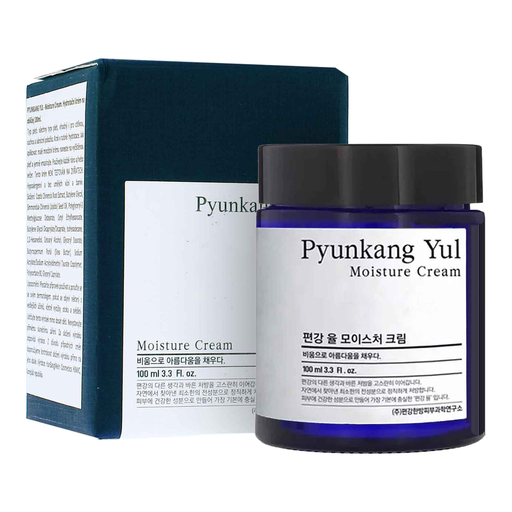
Why this suits the profile: The 100ml pack and creamy texture are suitable for daily use on the face and neck. The product information states the lotion is suitable for sensitive and oily skin.
The product description mentions no fragrance and a fast-absorbing, non-sticky formula. Check the current packaging at the time of purchase.
100 ml, with shea butter, jojoba oil and Coptis Japonica root extract according to the product information.
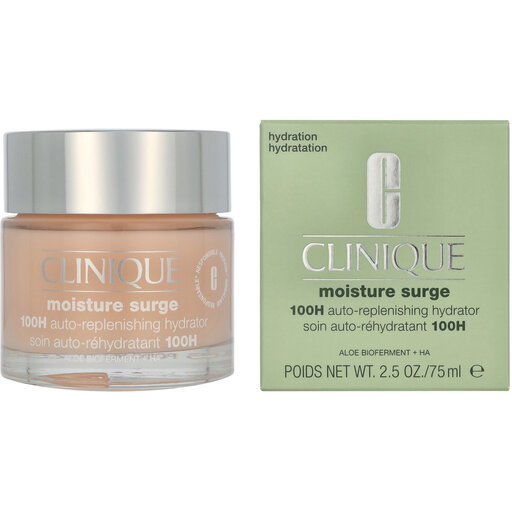
Why this suits the profile: The gel cream is aimed at those looking for a light, oil-free moisturiser that can also be worn under make-up.
The specifications list oil-free, fragrance-free, alcohol-free and non-comedogenic. The 100-hour hydration claim comes from Clinique itself.
75 ml, gel cream, suitable for dry, combination and oily skin according to the product data.

Why this suits the profile: This Korean skincare moisturiser suits users who focus their routine on moisture retention and supporting the skin barrier.
The ingredients list is fully disclosed, so you can check for ceramides, squalane, cholesterol and fragrance before ordering.
80 ml, with multiple ceramides, hyaluronic acid, panthenol and squalane according to the product information.
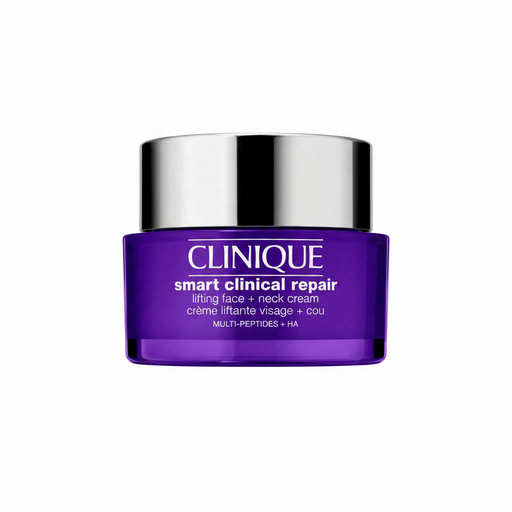
Why this suits the profile: The cream is designed for the face and neck and suits those looking for a fragrance-free anti-ageing face cream with a richer cream consistency.
The product data lists fragrance-free, non-comedogenic and suitable for all skin types. Claims about a lifted appearance come from Clinique.
50 ml, fragrance-free, with peptides, hyaluronic acid and jojoba oil according to the description.
We've put together a full, up-to-date list of products that fully meet these strict selection criteria and comply with current European safety regulations.
Most moisturisers can be applied morning and evening after cleansing. Use a small amount and add more if needed. During the day, also use a sun protection product when your skin is exposed to UV radiation.
Check the expiry date and the period-after-opening symbol on the packaging. Store the cream in a cool, dry place away from direct sunlight, and close the packaging properly. A change in smell, colour or texture is a reason to stop using the product.
Choose a formula with a short, easy-to-read ingredients list and check that it is fragrance-free. Products like Pyunkang Yul and Clinique Moisture Surge list properties that may be relevant for sensitive skin, but individual tolerance varies. Stop using it if irritation occurs and consult a doctor or dermatologist if symptoms persist.
