
Vandaag of morgen in huis

Kwaliteit gegarandeerd

Welkomstaanbiedingen ontgrendelen: GRATIS bezorging | Tot 80% korting | Gratis 30 dagen JoyPlus-proefperiode
Download de app
Buying a new face cream may seem straightforward, but the sheer choice can make comparing products difficult. Are you mainly looking for hydration, a more comfortable skin barrier, a cream for mature skin or support for an uneven complexion? Not every popular formula will automatically suit your skin type.
Marketing copy can also create expectations that do not always match the product information. Pay attention to the ingredients list, texture, directions for use and amount per pack. This helps prevent a jar from being left unused in the bathroom.
Terms such as “lifting”, “glow” and “anti-ageing” often describe a brand’s positioning. They do not guarantee that fine lines, pigmentation or looser skin will visibly change for everyone. A brand’s own research may have measured certain results under specific conditions; that does not automatically mean every user will experience the same outcome.
Use an anti-ageing cream, firming face cream or fine-line cream as part of a routine, rather than as a quick fix. Look for verifiable information such as the percentage of retinol, niacinamide, ceramides or hyaluronic acid.
An ingredient such as retinol, tranexamic acid or collagen does not tell you everything. The rest of the formula also affects how the cream feels and whether it suits your skin. A rich cream with shea butter and oils may feel comfortable on dry skin but heavy on oily or combination skin.
With a Korean face cream, you will often see combinations of centella asiatica, niacinamide, ceramides and hydrating ingredients. This may be interesting for sensitive or dehydrated skin, but always check the full ingredients list.
A cream may contain fragrance, essential oils, acids or retinol. That does not necessarily make it unsuitable, but it does make introducing it gradually more important. Test a new product on a small area of skin first and stop using it if you experience redness, swelling, itching or a burning sensation. If symptoms persist, it is advisable to seek advice from a doctor or dermatologist.
Hyaluronic acid, glycerine and panthenol help the skin feel hydrated. Ceramide NP and cholesterol are often used in formulas designed to support the skin’s natural barrier. Niacinamide suits several skin concerns, but the concentration and the formula as a whole remain relevant.
When using retinol, it is important to introduce it gradually. For example, start by using it on a few evenings per week and follow the instructions on the packaging. During the day, a broad-spectrum sunscreen with an appropriate SPF is a sensible addition, especially when using products containing retinol or exfoliating acids.
Do not compare only the price, but also the amount: 20, 30, 40, 50 or 75 ml makes a difference to the cost per use. A pump bottle may limit contact with air and fingers, while a jar can be practical for a rich cream but requires hygienic use.
Check the use-by date, batch information and the symbol indicating the period after opening. The packaging contains the most up-to-date information. Also look out for warnings and the responsible person within the European market.
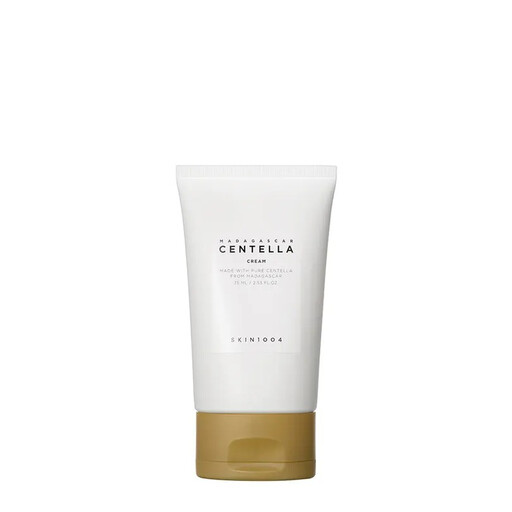
Why it suits this profile: With 75 ml, this lightweight cream is practical for everyday use in the morning and evening. The product description mentions centella asiatica, panthenol, niacinamide and ceramide NP.
The choice is based on the listed ingredients and amount, rather than solely on a general promise of improved skin. Check the possible allergens mentioned before use.
75 ml, lightweight texture according to the product description, vegan formula and stated suitability for normal and sensitive skin.
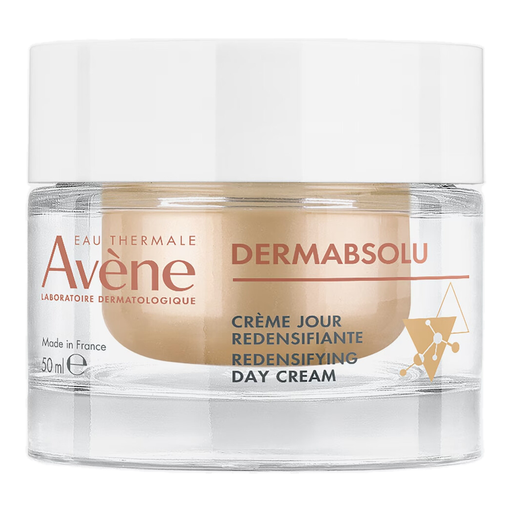
Why it suits this profile: According to the product information, this day cream was developed for mature and sensitive skin, with bakuchiol, pro-ceramides, hyaluronic acid and shea butter.
The product choice clearly indicates which skin concern the cream is intended for. However, always check the current packaging and patch-test first if you have sensitive skin.
50 ml, intended for the face, neck and décolleté, with a rich cream consistency and stated dermatological testing.
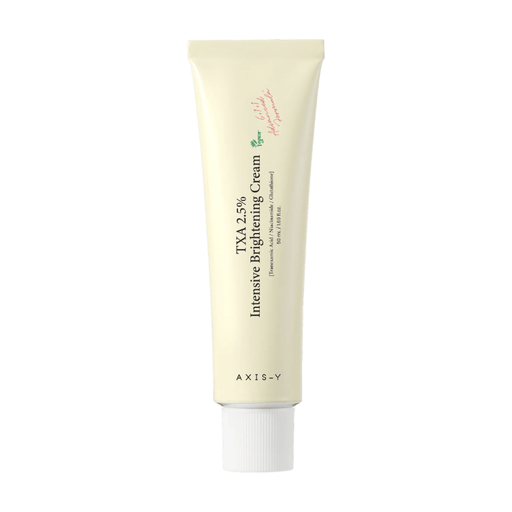
Why it suits this profile: For anyone specifically looking for a face cream for pigmentation or an uneven complexion, the ingredients list states that this formula contains 2.5% tranexamic acid, niacinamide and ceramide NP.
The active ingredient and concentration are clearly stated. The product information advises using sunscreen during the day and stopping use if irritation occurs.
50 ml, with panthenol, several forms of hyaluronic acid and clear usage warnings.
We have compiled a complete, up-to-date list of products that fully meet these strict selection criteria and the applicable European safety regulations.
You can apply most hydrating face creams after cleansing in the morning and evening. During the day, use sunscreen as the final step when your skin is exposed to sunlight. When using retinol, acids or other active products, always follow the specific directions for use.
Check the use-by date and the jar or open-jar symbol on the packaging. The period after opening varies from product to product. Keep the cream tightly closed, somewhere cool and out of direct sunlight. Has the smell, colour or texture changed? Do not continue using the product.
Start with a small amount and spread it evenly over your face and, if desired, your neck. A layer that is too thick may feel sticky or start to roll under make-up. When buying, compare the price per millilitre, especially if you are looking for a daily cream.
