
Vandaag of morgen in huis

Kwaliteit gegarandeerd

Welkomstaanbiedingen ontgrendelen: GRATIS bezorging | Tot 80% korting | Gratis 30 dagen JoyPlus-proefperiode
Download de app
Buying a new face cream might seem straightforward – until you have to choose between a hydrating face cream, a barrier cream, a night cream or a Korean skincare cream. Marketing copy often promises a soft, calm or younger-looking complexion, but it’s the formula, the size and the instructions for use that determine whether a product actually fits your routine.
This guide from the Joybuy Product Recommendation Officer will help you assess product claims with a clear head and choose a face cream for dry, sensitive, oily or mature skin.
A body cream can be richer and heavier than a face cream. That’s not automatically a problem, but a product formulated for very dry body parts may feel less pleasant on your face. Always check the intended area of use.
For example, the NIVEA Repair & Care Urea Body Cream is designed for the body. According to the product information, the formula contains glycerine, urea and provitamin B5, and targets very dry, rough skin. That makes this cream interesting as a barrier cream for the body, but not the most logical choice when you’re specifically looking for a face cream.
Ceramides, panthenol, niacinamide and hyaluronic acid are useful reference points when comparing products. However, a single ingredient on its own doesn’t tell you how your skin will react. The overall formula, fragrance, texture and concentration all play a part.
Be cautious with claims such as “repairs”, “calms” or “reduces irritation”. According to the brand’s own research or the product description, such results may be based on a specific test group or usage scenario. They are no guarantee for every user.
A hydrating face cream keeps your skin comfortable, but it doesn’t replace a separate sunscreen. The NIVEA MEN Sensitive Face Cream has SPF 15 according to the product information. That can be practical for daily use, but for prolonged sun exposure, a product with a suitable, higher SPF is generally more sensible.
Likewise, an anti-ageing cream doesn’t automatically erase wrinkles. Instead, look for verifiable features such as night-time use, or the presence of glycerine, hyaluronic acid, vitamin E or peptides. Treat brand claims as brand claims, not as guaranteed results.
For a face cream for dry skin, humectants such as glycerine, panthenol and hyaluronic acid are interesting ingredients. A richer formula with shea butter, squalane or oils can feel pleasant when your skin feels tight.
A face cream for oily skin doesn’t have to be completely oil-free, but a light, fast-absorbing texture is often more practical. Look for descriptions like gel cream, lightweight or non-sticky. If you have combination skin, you can apply a richer cream only where needed.
If you’re looking for a face cream for sensitive skin, it’s a good idea to check the full ingredients list. Fragrance, essential oils and certain plant extracts may be less suitable for some users. Always test a new product on a small patch of skin first. Stop if you experience redness, swelling, itching or any other irritation.
A day cream often has a lighter texture and may include extra features such as SPF. A night cream is usually richer and intended as the last step in your evening routine. Also look at the size: 50 ml is standard for a face cream, while a 75 ml or 80 ml pot can last longer.
Check the packaging for the expiry date, batch number and instructions for use. A pump bottle can be hygienic and convenient, whereas a pot requires clean hands every time you use it.
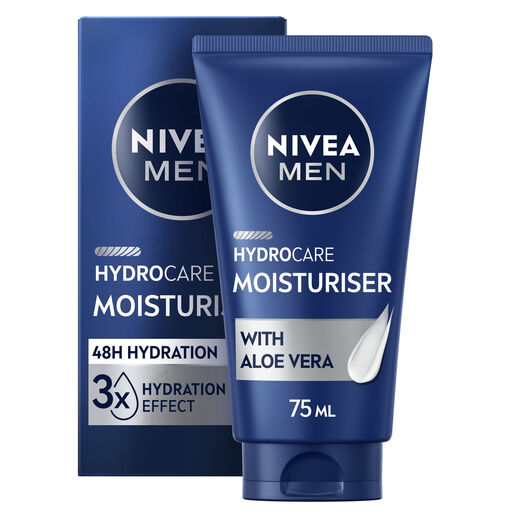
Why This Fits Their Persona: A straightforward daily face cream for men with normal to dry skin, for example after shaving or before heading to work.
The product description clearly states it is for facial use, has a 75 ml size and a non-greasy, fast-absorbing formula.
Glycerine, panthenol and aloe vera are listed in the ingredients; the manufacturer mentions a light texture and daily use.
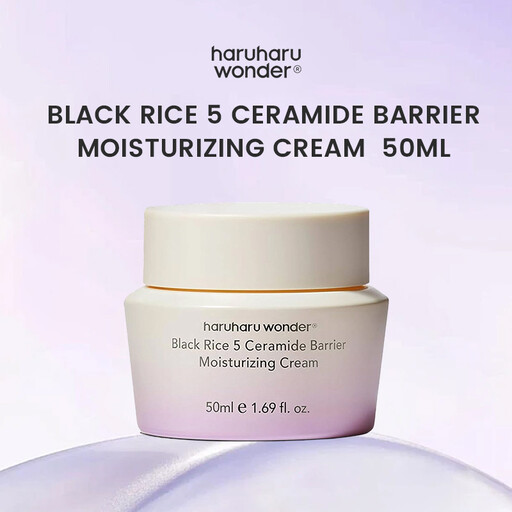
Why This Fits Their Persona: Suits anyone looking for a Korean skincare cream with ceramides and a routine for daily use, in the morning and/or evening.
The ingredients list mentions multiple ceramides and a 50 ml size. Always check the current packaging and full INCI list.
The formula contains ceramides, glycerine, allantoin and vitamin E; the product information mentions a non-greasy texture suitable for different skin types.
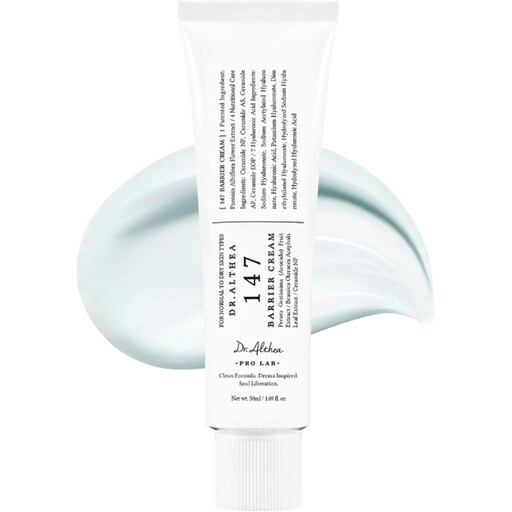
Why This Fits Their Persona: An option for anyone specifically looking for a barrier cream with ceramides and multiple forms of hyaluronic acid.
The product information lists the key ingredients separately. That makes comparison easier than relying solely on the term “barrier”.
Contains ceramides, seven types of hyaluronic acid according to the product description, guaiazulene and vitamin E.
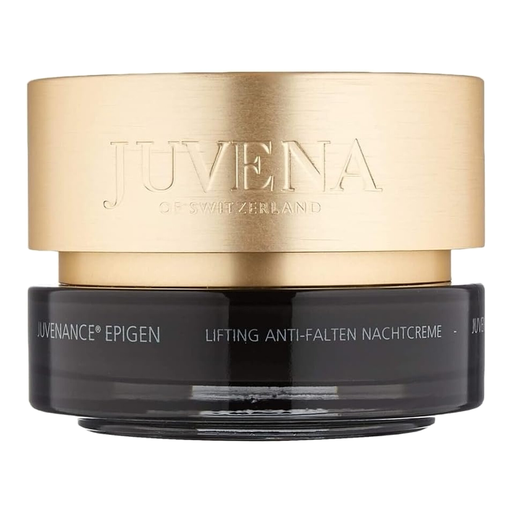
Why This Fits Their Persona: Aimed at users who want a richer night cream and pay attention to hydration and anti-ageing care.
The product details clearly state night-time use, a 50 ml size and a cream texture. Anti-wrinkle claims remain from the brand description.
The ingredients list includes vitamin E, hyaluronic acid and cupuacu butter; the product is intended as a night cream according to the product information.
Browse a current selection of products that match these practical selection criteria and comply with the applicable European information and safety requirements.
That depends on the formula and your skin. Many products are intended for once or twice a day on a cleansed face. Apply a small amount and add more if needed. During the day, use a separate sun product if the sun protection in your cream is insufficient for your activity.
Check the expiry date or the period-after-opening symbol on the packaging. Store the cream according to the instructions, usually in a cool, dry place away from direct sunlight. If the smell, colour or texture changes, stop using the product and check the packaging.
Look for a short, clear ingredients list and watch out for fragrance, alcohol and essential oils if you are sensitive to them. A cream with panthenol or ceramides can fit into a nourishing routine, but personal tolerance remains key. Test a new product on a small area first and stop if irritation occurs.
