
Vandaag of morgen in huis

Kwaliteit gegarandeerd

Welkomstaanbiedingen ontgrendelen: GRATIS bezorging | Tot 80% korting | Gratis 30 dagen JoyPlus-proefperiode
Download de app
A face cream might seem like a simple purchase, but the range on offer varies enormously. A light day cream is not the same as a rich night cream, and a cream with retinol requires a different approach to a hydrating face cream with hyaluronic acid. If you only pay attention to terms like “anti-ageing”, “glow” or “intensive care”, you could easily end up buying a product that doesn’t suit your skin or your routine.
Words like “fills wrinkles”, “repairs the skin barrier” or “makes skin firmer” often describe the aim of a formula, but they are not a personal guarantee. According to NIVEA’s own research, the Cellular Expert Filler SPF30 cream, for example, provides a plumping effect after 24 hours; the product information states that this was tested in vitro. Such results are not automatically the same for every user.
So, focus on verifiable information instead:
A face cream with SPF can be handy for daily use, but the level of protection depends on how much you apply and how often you reapply. SPF 15 or SPF 30 is also not the same as a separate sun product for prolonged exposure.
Use a day cream with SPF as part of your routine and check whether the protection is suitable for your outdoor activities. In strong sun, or when exercising or swimming, a separate sunscreen is usually more practical.
Retinol, vitamin C, niacinamide and exfoliating acids can each have a place in your skincare routine. However, more active ingredients do not automatically mean a better routine. With a retinol cream in particular, it’s important to build up slowly.
The product information for advises starting with a small amount of retinol 0.1% just a few times a week. According to the warnings, retinol can increase sensitivity to sunlight. Therefore, use sun protection during the day and do not simply combine multiple retinol, AHA or BHA products.
For a dry skin, ingredients such as glycerine, shea butter, panthenol, squalane and hyaluronic acid are worth looking for. A richer night cream can be comforting when your skin feels tight. A light cream or gel often suits normal or combination skin better.
For sensitive skin, a short ingredient list isn’t mandatory, but it is wise to check for fragrance and any known personal triggers. Test a new cream on a small patch of skin first. Stop using it if you experience persistent redness, itching or a burning sensation.
A product can contain several ingredients. That doesn’t automatically make it a better choice; it can actually make your routine more complicated.
A 20 ml pot is good for trying out an active formula first, while 50 ml or 75 ml can be more practical for daily use. Always check the expiry date, batch number and period after opening on the packaging.
Apply face cream to a cleansed face. A day cream is typically used in the morning and a night cream in the evening. Avoid contact with the eyes and follow the official usage instructions on the packaging.
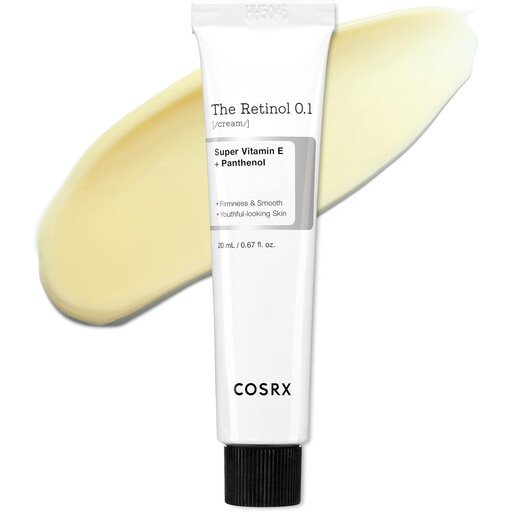
Why this suits the profile: The 20 ml size offers an accessible way to gently introduce retinol into an evening routine.
The product information advises starting with a small amount and using it a maximum of a few times a week. This helps prevent overuse.
Contains 0.1% retinol according to the product specification and has a 20 ml size. Use only as directed on the label.
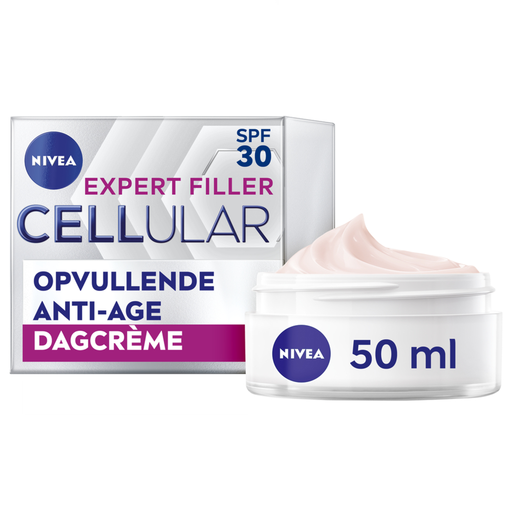
Why this suits the profile: This day cream combines daily hydration with SPF 30 for users who want fewer separate steps in their morning routine.
The SPF factor is clearly stated. However, check the required amount and use a separate sun product for prolonged sun exposure.
Contains hyaluronic acid, folic acid and SPF 30 according to the product information. The size is 50 ml.
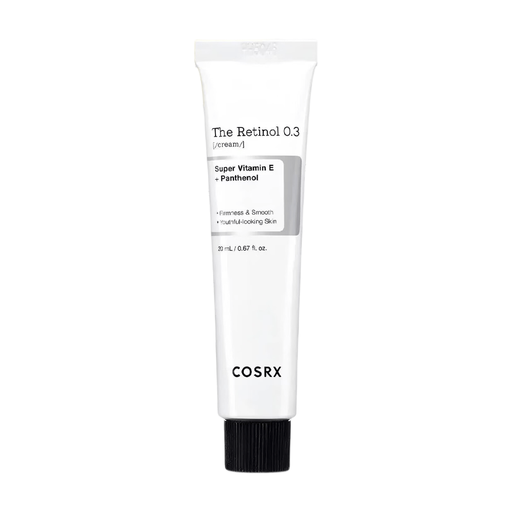
Why this suits the profile: For users who already have experience with retinol and are deliberately looking for a formula with 0.3% retinol.
The concentration is visible in the product name. The usage information advises a patch test, nightly use and sun protection.
Contains 0.3% retinol, panthenol, vitamin E and multiple forms of hyaluronic acid according to the ingredient list.
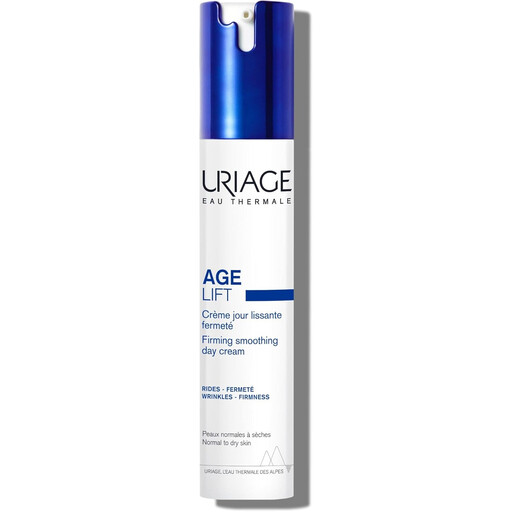
Why this suits the profile: The product details state suitability for normal, sensitive and dry skin, and a size of 40 ml.
The product information states a fragrance-free formula and advises reducing the frequency of use if irritation occurs.
Contains shea butter, hyaluronic acid and retinol according to the product information. The cream is alcohol-free and non-comedogenic according to the stated product specifications.
We’ve put together a full, up-to-date list of products that fully meet these strict selection criteria and comply with current European safety regulations.
A hydrating face cream can usually be used morning and evening, depending on the label and how your skin feels. A retinol cream is typically used only in the evening and should be built up gradually. Apply sun protection during the day if the formula contains retinol.
Check the expiry date and the period-after-opening symbol on the packaging. Store the cream closed, in a cool place and out of direct sunlight. Retinol and vitamin C formulas benefit especially from careful storage according to the manufacturer’s instructions.
Look for a formula with humectants such as glycerine or hyaluronic acid and soothing ingredients like panthenol, shea butter or squalane. For dry skin, a richer night cream can be more comfortable than a very light gel. If you have sensitive skin, also check for fragrance and other ingredients you have reacted to before.
