
Vandaag of morgen in huis

Kwaliteit gegarandeerd

Welkomstaanbiedingen ontgrendelen: GRATIS bezorging | Tot 80% korting | Gratis 30 dagen JoyPlus-proefperiode
Download de app
Choosing a new face cream may seem straightforward, but marketing copy can sometimes make comparisons difficult. A product might be described as “intensely hydrating”, for example, while its texture is too rich for oily skin. A compelling ingredients story also does not automatically mean that a cream will work well for your skin.
When shopping, pay particular attention to these three common pitfalls:
The right choice starts with your skin type and when you want to use the cream.
A day cream for the face is usually lighter and may contain SPF. A night cream for the face is often richer and intended for use without make-up. However, the difference is not strict: some moisturisers can be used both in the morning and in the evening.
Do not just look at the prominent ingredients on the front of the packaging. Check the full INCI list. Glycerine, panthenol, shea butter and ceramides are examples of ingredients suited to a hydrating or barrier-supporting formula. For sensitive skin, a fragrance-free face cream may be a logical first choice.
Also pay attention to the order of the ingredients. Substances listed higher up are generally present in larger quantities, although this does not provide a complete picture of how well the product works. According to the product descriptions, NIVEA Soothing Night Cream, Clinique Moisture Surge and Clinique Smart Clinical Repair are fragrance-free. Always check the current packaging before buying, as formulas may change.
A rich cream may suit dry skin but feel heavy on oily or combination skin. A gel cream usually spreads lightly and absorbs quickly. A balm or cream formula may feel more comfortable when your skin is dry or its barrier is weakened.
Look out for terms such as:
A face cream with SPF combines skincare with a degree of UV protection. The selection includes products such as NIVEA Soothing Day Cream SPF 15, NIVEA MEN Sensitive SPF 15, NIVEA MEN Sensitive SPF 30 and Clinique Superdefense SPF25.
A higher SPF does not mean that you can apply the cream without limits or reapply it less often. Use enough product and follow the instructions on the packaging. For prolonged sun exposure, exercise or swimming, a separate sunscreen is often more practical. SPF is also not a reason to use a night cream during the day.
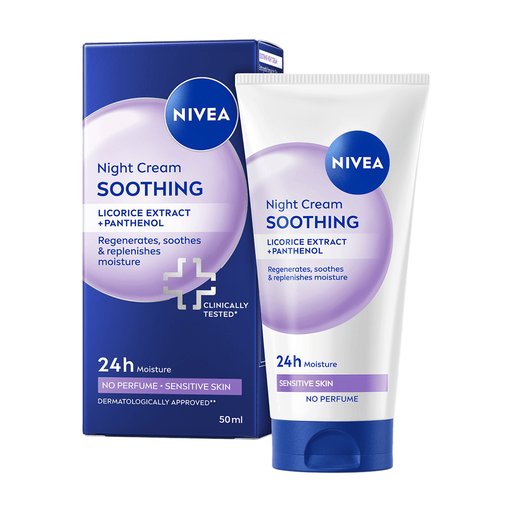
Why it suits this profile: A straightforward night-time skincare option for anyone who wants to start using a face cream for sensitive skin without a complicated routine.
The product description states that it has a fragrance-free, pH-neutral formula. This makes it clearer what the selection for sensitive skin is based on.
50 ml; contains glycerine, shea butter and panthenol, among other ingredients; intended for evening use.

Why it suits this profile: Suitable for anyone looking for a lightweight face moisturiser that can be used during the day and in the evening.
The gel cream avoids choosing a heavy texture when you want a fresh skin feel. The brand’s claim of “up to 100 hours of hydration” comes from Clinique’s product description.
Gel texture; 30 ml; according to the product information, fragrance-free, alcohol-free and non-comedogenic.
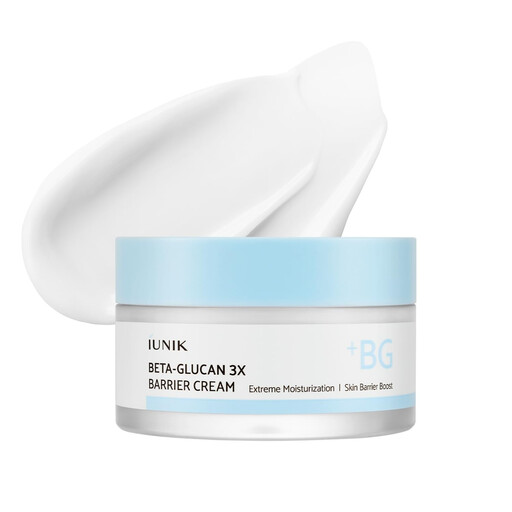
Why it suits this profile: Ideal for shoppers looking for a more intensive hydrating face cream with a soft, fast-absorbing finish.
The product description states that the formula is free from synthetic fragrance, parabens, sulphates, PEGs and petroleum. The reported clinical results are based on iUNIK’s own research and do not guarantee the same results for every user.
50 ml; according to the ingredients list, contains beta-glucan, ectoin and panthenol; silky cream that is said to absorb quickly according to the product information.
We have put together a complete, up-to-date list of products that fully meet these strict selection criteria and the applicable European safety regulations.
Check the expiry date, batch information and instructions for use on the packaging. Stop using the product if you experience clear irritation and seek advice from a GP or dermatologist if skin problems persist.
Check the expiry date or the open-jar symbol indicating the period of use after opening on the packaging. Store the cream in a cool, dry place away from direct sunlight. Close the jar or tube securely after use. A change in smell, colour or texture may be a reason to stop using the product.
A face cream with SPF can be a practical addition to your daily routine. The level of protection depends on the SPF, the amount applied and how often you reapply it. For prolonged sun exposure, a separate sunscreen is generally easier to use correctly.
You can if the texture and ingredients feel comfortable on your skin and the manufacturer permits this use. During the day, SPF is relevant; in the evening, a richer, fragrance-free or barrier-repairing cream may be more suitable. Above all, consider comfort, skin type and the complete product instructions.
