
Vandaag of morgen in huis

Kwaliteit gegarandeerd

Welkomstaanbiedingen ontgrendelen: GRATIS bezorging | Tot 80% korting | Gratis 30 dagen JoyPlus-proefperiode
Download de app
A face cream should feel pleasant to use, but a pretty package or a long list of ingredients doesn't necessarily mean it's the right choice. Dry skin needs something different from oily skin, and sensitive skin can react to fragrance, acids or a formula that's too intensive.
As Joybuy Product Recommendation Officer, I therefore focus primarily on verifiable information: skin type, texture, ingredients, volume and usage advice. This way, you avoid paying for a cream that doesn't fit into your daily routine.
Not every cream is intended for the face. The Sol De Janeiro Bom Dia Bright Body Cream and Sence Bodycream Aloe Vera, for example, are body lotions according to the product information. They may be suitable for the body, but they aren't an obvious choice if you're looking for a hydrating face cream.
A body lotion sometimes contains fragrance or active ingredients that your face may not tolerate as well. Always check the stated area of application.
A product description may state that a cream is suitable for all skin types. That doesn't mean every skin type will find the same texture or ingredients comfortable. A rich cream can be comfortable for a dry skin face cream, but feel heavy on oily skin.
Pay attention to the combination of skin type and formula:
Words like "restorative", "brightening" or "soothing" are no guarantee of a particular result. According to the product information for Dr. Althea 345 Relief Cream, the formula contains niacinamide, ceramides, hyaluronic acid and tea tree leaf water, among other ingredients. The brand also mentions a clinically tested non-comedogenic formula. That's product information from the brand, not a personal guarantee for every user.
The same applies to dark spots. Products such as Axis-Y Dark Spot Correcting Glow Cream and Skeyndor Urban White Spots Eraser Cream are described as targeting a more even complexion. Always use sun protection during the day and stop if irritation occurs.
For hydration, you'll often see glycerine, hyaluronic acid, beta-glucan, panthenol or oat extract. These ingredients appear, for example, in various Korean face creams.
For a skin barrier cream, look for ceramides, cholesterol, squalane and fatty acids. The Ceramide Skin Barrier Moisturizer contains multiple ceramides, cholesterol, panthenol and various forms of hyaluronic acid according to the ingredients list.
For sensitive or easily reactive skin, the full ingredients list is more important than one standout ingredient. Always test a new product on a small area of skin first. If you experience persistent redness, swelling, itching or a burning sensation, it's wise to stop using it and seek medical advice.
A moisturiser for daytime needs to work well with sunscreen and make-up. A lightweight gel cream is often practical for this. A richer cream may be better suited as a day and night cream for dry skin, especially in winter or in rooms with dry air.
Also check the size. A pot or tube of 100 ml is handy for daily use, whereas a spot cream of 15 ml is intended for smaller areas.
Check before you buy:
"Dermatologically tested", "hypoallergenic" or "vegan" are product specifications as stated by the brand or seller. They do not rule out an individual reaction.

Why this fits: The lightweight gel cream is practical for daily use in the morning and evening. The product information states 77% oat seed water, panthenol, squalane and beta-glucan, with a volume of 100 ml.
The product page clearly states this is a face product and gives specific usage advice. This means you don't need to use a body lotion as a moisturiser for your face.
100 ml, gel cream texture and ingredients that, according to the list, target moisture retention and comfort.
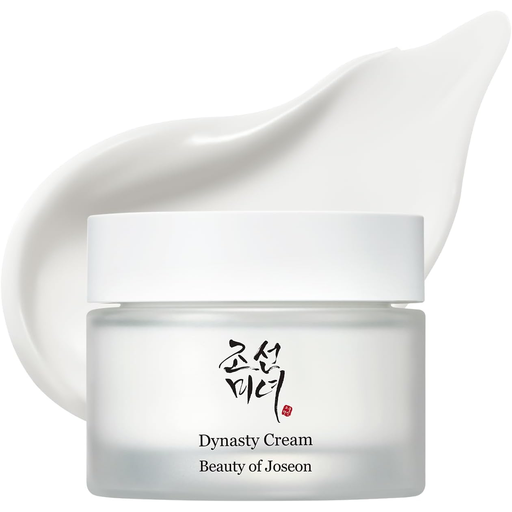
Why this fits: According to the ingredients list, this Korean face cream contains niacinamide, panthenol, sodium hyaluronate, rice extract, honey extract and propolis extract. The description mentions a creamy texture and an unscented formula.
You can compare the texture and ingredients in advance, rather than relying solely on terms like "glow" or "luxurious".
Unscented according to the product details; available in a 100 ml size according to the stated variant.

Why this fits: The ingredients list mentions ceramides NP, NS, AP, AS and EOP, plus cholesterol, squalane, panthenol and hyaluronic acid. According to the product information, the cream is intended for morning and evening use.
The formula can be checked for barrier-related ingredients. The product information also mentions a patch test, which is useful for sensitive skin.
80 ml and an extensive ceramide formula with multiple moisture-binding ingredients.

Why this fits: According to the product details, this is a lightweight moisturising gel cream for oily skin. The description mentions 44% Haenam red bean extract and a gel texture that feels less heavy.
The product category and skin type are clearly stated. This makes comparing easier than choosing a rich cream based solely on a hydrating claim.
100 ml, lightweight gel texture and explicit mention for oily skin.
Browse our current range of face creams and compare products by skin type, texture, volume and ingredients.
Look for a richer formula with ingredients such as glycerine, hyaluronic acid, panthenol, ceramides, squalane or oils. A skin barrier cream can be particularly practical when your skin feels tight. Always test new products on a small area first.
You can when the product information states both morning and evening use and the texture remains comfortable. Always add sun protection during the day. A night cream isn't automatically necessary; the difference is usually in the texture and additional ingredients.
That depends on the volume and the amount you use each time. A 100 ml product typically lasts longer with daily use than a 30 or 50 ml pot, but follow the period after opening stated on the packaging. Don't use a cream whose scent, colour or texture has clearly changed.
